Chapter 1
The direct answer: teach use, control, and renewal value
An ecommerce subscription retention Instagram carousel should explain how to use the product, what is in the next shipment, how to skip or swap when available, when billing happens, and where cancellation or account settings live.
Shopify subscriptions documentation frames subscriptions as recurring purchase options, while FTC negative-option materials show why clear recurring-payment and cancellation communication matters.
The best retention content makes subscribers feel in control, not trapped. That trust can reduce avoidable churn.
Callout
Subscription retention rule
Use content to increase product value and subscriber control; do not hide cancellation or renewal terms.
Chapter 2
Answer the questions that cause churn
Subscribers often cancel because they have too much product, do not know how to use it, forgot renewal timing, had a failed payment, or want a different flavor, shade, size, or frequency.
Each issue can become one retention carousel. Product education and account-control education should work together.
Avoid making cancellation intentionally confusing. Retention content should build trust by explaining options clearly.
How to use the product before the next shipment.
How to skip, pause, swap, or change frequency when available.
What billing timing means.
How failed payments are retried.
What is new or seasonal in the next box.
Where to manage account or cancellation settings.
Chapter 3
Use a seven-slide retention carousel
Retention carousels should be practical and customer-service friendly.
Use product photos, usage examples, account screenshots, and shipment calendar frames.
- 1
Slide 1: subscriber moment
Open with 'Before your next box ships, do these three things.'
- 2
Slide 2: use case
Show how to get value from the current product.
- 3
Slide 3: next shipment
Preview what is coming or how to choose.
- 4
Slide 4: control
Explain skip, pause, swap, or frequency options if available.
- 5
Slide 5: billing
Clarify renewal timing and account settings.
- 6
Slide 6: support
Route delivery, payment, or product questions to support.
- 7
Slide 7: CTA
Manage your subscription, choose your next item, or learn how to use this month's product.
Chapter 4
Set cancellation, billing, and claim guardrails
FTC negative-option resources are a reminder that recurring subscriptions need clear disclosures and cancellation communication.
Product claims also need support. Do not promise a health, beauty, savings, or performance result unless substantiated.
If a policy changes, update retention posts quickly. Old instructions can create support tickets and trust damage.
Explain account controls honestly.
Do not hide cancellation routes.
Keep billing dates and terms current.
Use supported product claims.
Route account-specific issues to support.
Chapter 5
How AttentionClaw helps subscription brands create retention content
AttentionClaw can turn product usage guides, subscription settings, support tickets, renewal calendars, and shipment previews into Instagram carousels.
Brands can build series for how to use this month's product, how to skip or swap, what is coming next, failed payment reminders, and retention offers.
The brand controls policy and product claims. AttentionClaw keeps the education consistent.
Callout
Retention workflow
Pick one churn reason, draft a helpful carousel, review billing and claim language, publish before the renewal window.
Chapter 6
Measure churn reduction and support quality
Measure saves, account-setting clicks, skip instead of cancel behavior, support tickets, failed-payment recovery, and churn by carousel topic.
If subscribers still cancel because they feel surprised, move billing and renewal education earlier.
Subscription management clicks.
Skip or swap usage.
Cancellation reasons.
Support ticket reduction.
Renewal retention after education.
Chapter 7
The Skip vs. Cancel Decision: How to Use Content to Protect It
The single most important behavioral outcome for a subscription retention carousel is not a like or a save — it is teaching subscribers that skipping a shipment is an option before canceling feels like the only exit. Many subscribers who cancel would have stayed if they had known skipping was available. They cancel not because they are unhappy with the product but because they feel stuck with a shipment they do not need right now, and cancellation is the only path they can find.
A carousel that explicitly walks through the skip flow — with screen-capture style slides showing exactly where to find the option — can directly reduce a category of cancellations that has nothing to do with product satisfaction. The framing matters: 'Going on vacation? You can skip your next shipment in two taps' is more motivating than a generic 'You control your subscription' slide. Specific, situational language speaks to the moment the subscriber is actually in.
Beyond skipping, content can address the other common exit triggers: product accumulation ('If you have more than you can use, here is how to extend your interval'), dissatisfaction with a product in the box ('Did not love the last item? Here is how to flag it so we can improve your next shipment'), and billing confusion ('Your renewal date is always visible in your account — here is where to find it'). Each of these addresses a real cancellation moment with a concrete alternative.
Show the skip flow with actual UI steps, not just 'you can skip anytime' language
Address accumulation directly — interval extension or quantity adjustment are retention tools
Make billing transparency a content pillar, not an afterthought
Teach the swap or preference-update flow for subscribers who want different products
Show cancellation as an available option without making it the easiest path — be clear, not obstructive
Chapter 8
Building a Content Calendar Around Renewal Moments
Subscription retention content is most effective when it is timed to the subscriber's lifecycle, not just posted on a general schedule. The highest-risk cancellation windows are well-known: the days just before the second billing cycle (subscriber has received one box and is deciding whether to continue), the period just after a product change or reformulation, and any month when a shipment is late or arrives damaged. Proactive content around these windows can catch subscribers before they reach the cancellation flow.
A practical content approach: in the week before average second-billing dates, post a 'here is what is in your next shipment' or 'here is how to customize before it ships' carousel. After any product change, post an education carousel explaining what changed and why. When a shipment delay is happening, post an update with an honest timeline and a clear note on what subscribers can do. These are reactive and proactive content types that feel like customer service, and customers who feel served do not cancel.
On social media specifically, this kind of content also functions as public reassurance for prospects who are considering subscribing. A brand that posts transparent renewal reminders and 'how to manage your account' content signals that it does not trap subscribers — which is itself a conversion argument, not just a retention one.
Callout
The retention content test
Before posting a retention carousel, ask: does this slide answer something a subscriber would Google after their first shipment? If it does, it is useful. If it is promotional language dressed up as education, it will not reduce churn.
Chapter 9
How to Frame a 'What Is in Your Next Shipment' Carousel That Actually Reduces Cancellations
A next-shipment preview carousel is one of the highest-converting retention content formats because it gives subscribers a concrete reason to stay through to the next billing cycle. The format works best when it is specific, early, and builds perceived value without overpromising. The worst version of this carousel is a vague 'exciting things coming soon' slide with no real information. The best version names the product, explains its use, and shows what the subscriber will be able to do with it.
A strong structure: Slide 1 is the hook — 'Your next shipment includes something we have been holding back for months.' Slide 2 names the hero product with a close-up image and one-sentence description. Slide 3 explains a specific use case for that product in the subscriber's routine. Slide 4 surfaces a secondary product and its benefit. Slide 5 notes the shipment date window and how to adjust if needed. Slide 6 shows how to add on or customize before it ships. Slide 7 closes with a reminder that skipping or adjusting is easy if the timing is not right.
That last slide is important. Ending with a skip reminder might seem counterintuitive — why surface the alternative to receiving the shipment? — but it reduces anxiety. Subscribers who know they have control are more willing to stay through a cycle they are uncertain about. Transparency about options builds the kind of trust that makes long-term retention possible.
- 1
Post the preview carousel two to three weeks before shipment
Early posting gives subscribers time to customize, add on, or skip before the order processes. A preview posted the day before shipment is too late for any subscriber action.
- 2
Lead with the product that has the clearest use case
The hero product slot should go to whatever item is most immediately useful to the broadest segment of subscribers — not whatever the brand is most excited about from a sourcing perspective.
- 3
Include account management information on the final slide
A short summary of how to skip, swap, or adjust with a direct link reduces the friction that turns subscriber uncertainty into cancellation.
Next step
Build retention content before renewal anxiety hits
AttentionClaw helps ecommerce teams turn product usage, renewal reminders, and subscription controls into Instagram carousels that support retention.
Common Questions
FAQ
More Reading
Keep reading
8-chapter read
Carousel Slide Order That Converts: Hook, Proof, Offer, CTA
A converting carousel usually follows a clear order: hook, context, problem, solution or product, proof, objection handling, offer, and CTA. The exact slide count can change, but the reader should never wonder why the next slide exists.
7-chapter read
How to Plan Social Content for a Product Bundle Launch
A product bundle launch needs content that explains why the items belong together. Plan the campaign around the bundle problem, item roles, value proof, use sequence, objections, and launch offer, then adapt the same logic into Instagram carousels, TikTok slideshows, stories, and email blocks.
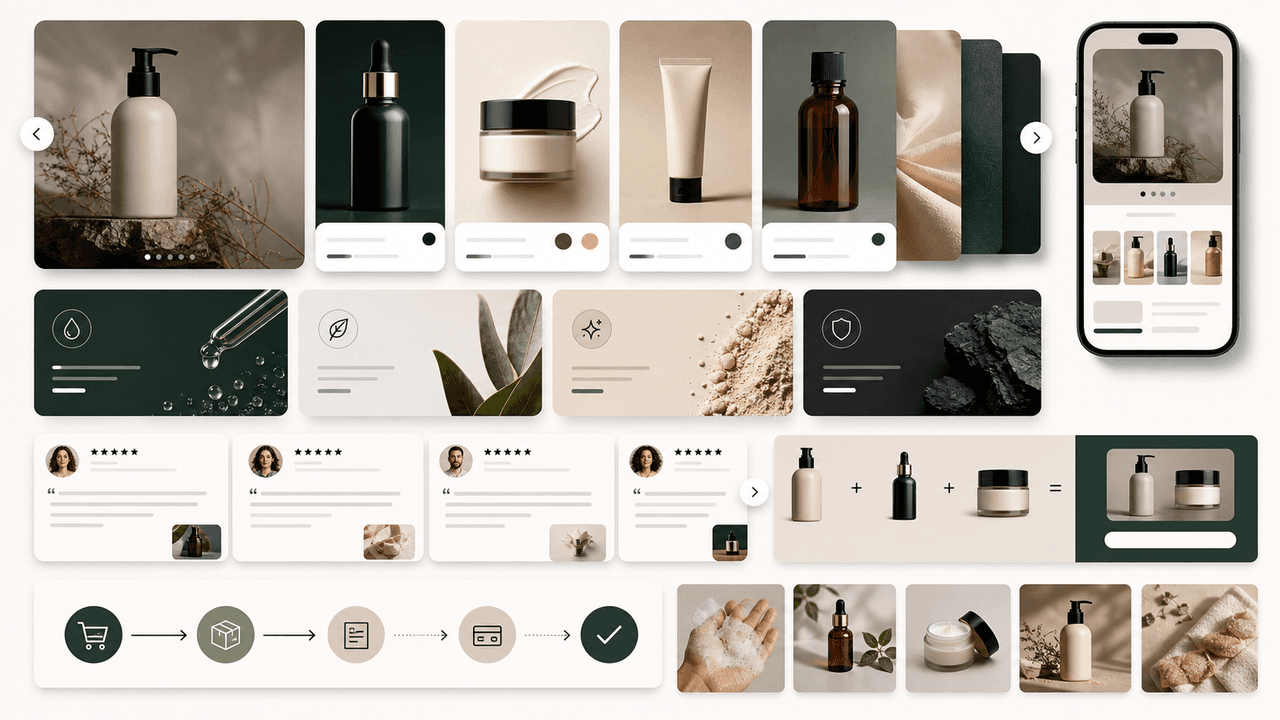
Four Product Carousel Formats Built Around Evidence
The best ecommerce carousel template depends on the buyer question and the evidence available. These four formats organize approved product details, media, comparison facts, bundle contents, and use cases into reviewable slide sequences without promising that a template will generate sales.
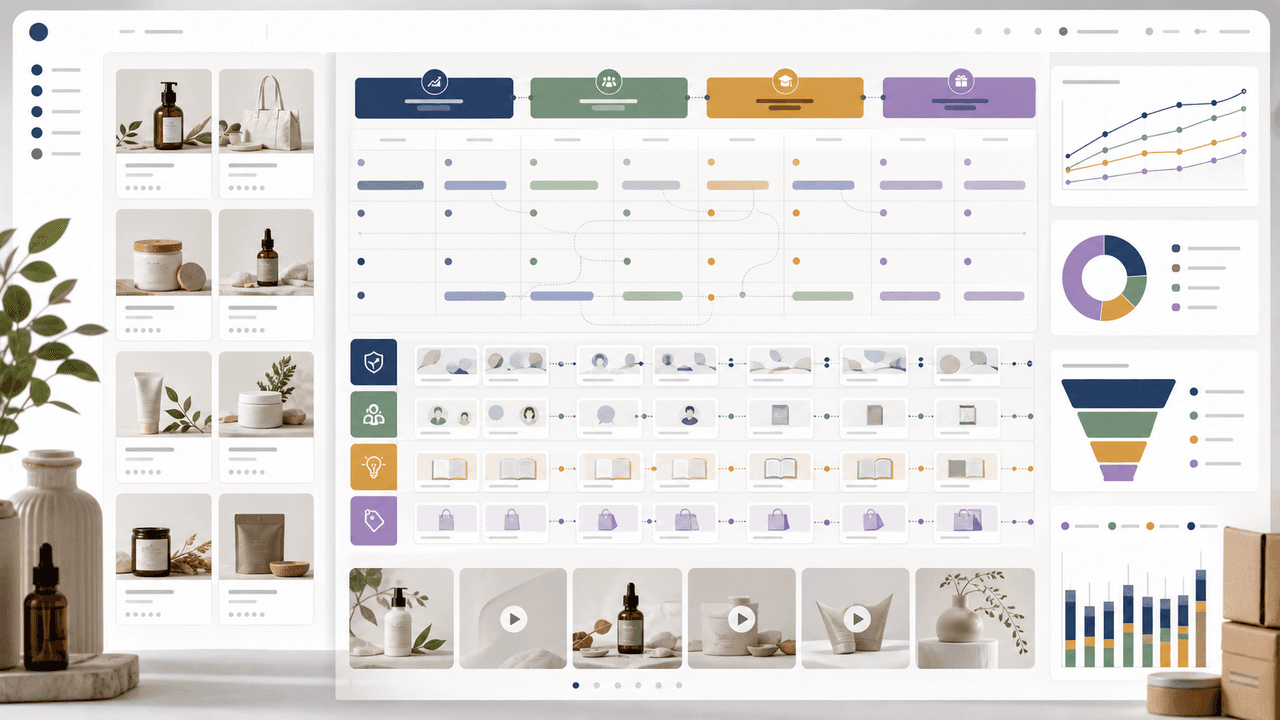
30-Day Social Content System for Shopify and DTC Brands
A 30-day Shopify social content system should turn products, objections, proof, education, and offers into a repeatable calendar. Plan four weekly arcs, batch creative by content job, repurpose each product angle across Instagram carousels and TikTok slideshows, then measure buyer actions instead of only engagement.

Product Comparison Carousels: Help Shoppers Choose (And Choose You)
Comparison carousels are some of the highest-converting content in e-commerce because they meet shoppers at the exact moment they are deciding between options. Done right, they make your product the obvious choice without feeling like a biased sales pitch.
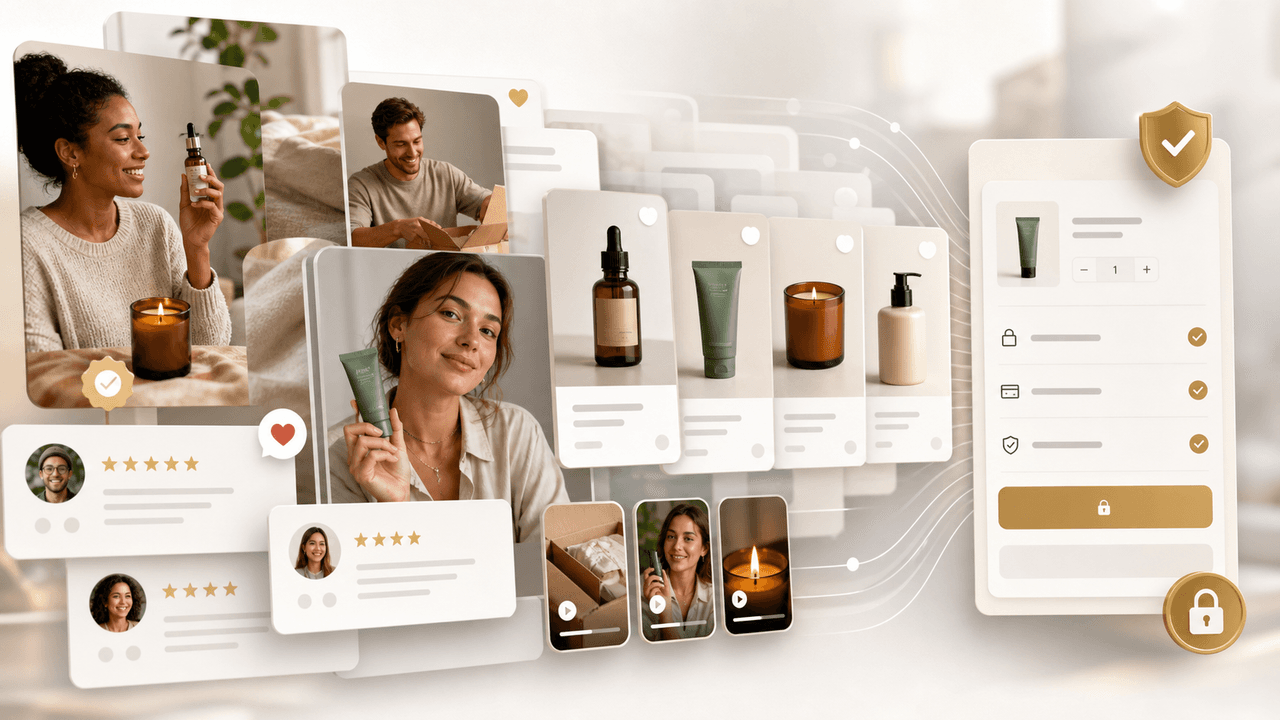
UGC Carousels for E-Commerce: Turn Customer Photos Into Your Best Sales Tool
User-generated content converts at 4-5 times the rate of brand-produced content, but most e-commerce brands either ignore UGC or use it poorly. Repurposing customer photos into structured carousel formats turns scattered social proof into your highest-performing sales asset.

Product Education Carousel Frameworks for Shopify Stores
Product education carousels work when they translate product-page facts into buyer decisions. Use a framework for each job: explain the problem, compare variants, teach use, prove quality, or build a bundle. The goal is not more slides; it is fewer unanswered buying questions.
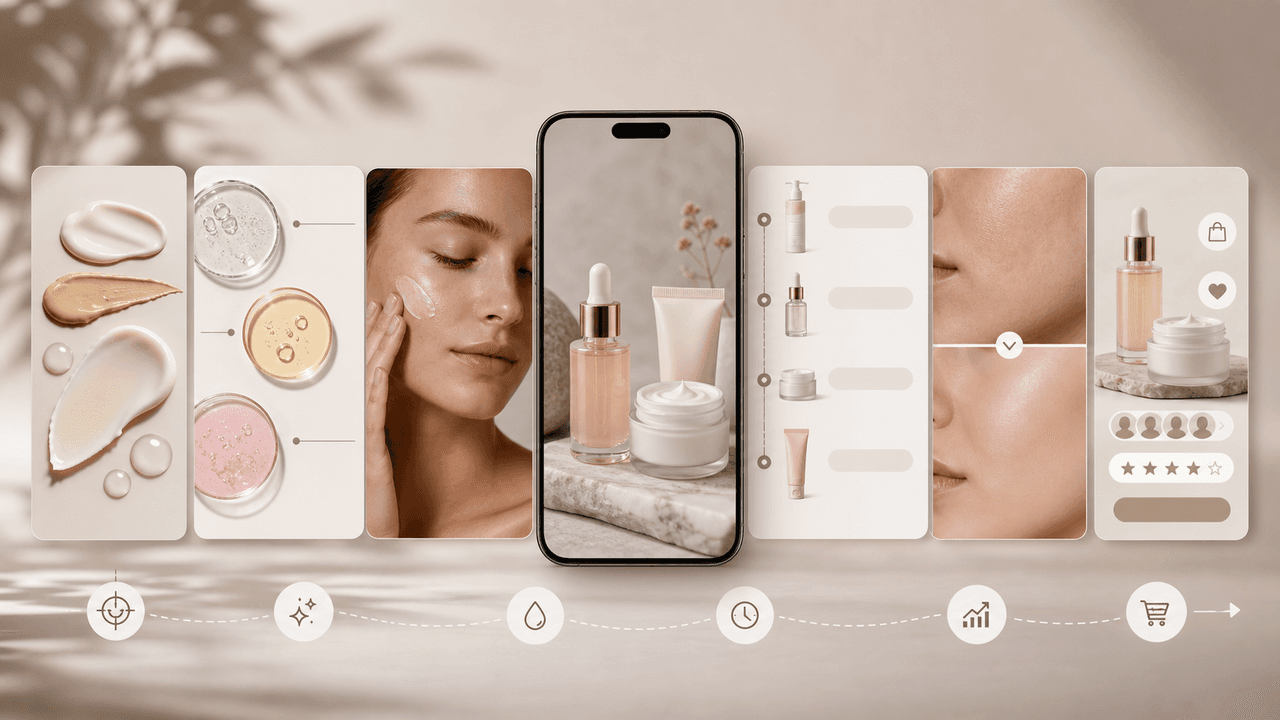
A Beauty Brand Carousel Strategy Built Around Evidence
A responsible beauty carousel starts with the exact claim and its support, not a dramatic visual promise. Use current product facts, review express and implied messages, disclose material connections, and preserve the limits of the evidence on the slide where readers need them.
Sources
- Subscriptions — Shopify Help Center
- Negative Option Rule — Federal Trade Commission
- Thinking inside the subscription box — McKinsey & Company
- About Carousel Ads — Meta Business Help Center
Written by
AttentionClaw
Editorial Team
Editorial context
Part of the Carousel Creation topic cluster. Last updated June 22, 2026.