Chapter 1
The direct answer: make the first class feel easier
A gym class social content calendar should rotate through class previews, beginner education, trainer authority, member proof, schedule reminders, and seasonal challenges. Most people do not avoid a class because they dislike fitness. They avoid it because they do not know what will happen, whether they will keep up, what to bring, or whether the room will feel welcoming.
Use social content to remove those doubts. A carousel can walk through a first class. A TikTok slideshow can show five beginner-friendly modifications. A Google Business Profile update can promote a new class time. A trainer post can explain why a movement is coached a certain way. Together, those posts move someone from curiosity to booking.
Use health and fitness claims carefully. CDC and Health.gov guidance can support broad public-health statements about physical activity, but a local gym should avoid promising medical outcomes or dramatic transformations. The safest conversion strategy is to sell the class experience, consistency, coaching, and community.
Callout
Gym content rule
Do not make the hardest workout the hero every time. The first-time member usually needs clarity, safety, and belonging before intensity.
Chapter 2
Use six content pillars for a fitness studio
A gym feed becomes more useful when every post has a job. The six pillars are class preview, beginner confidence, coaching education, member proof, schedule and offer, and community culture.
Class previews show what the room, coach, music, equipment, and pace look like. Beginner confidence posts answer the questions new members are embarrassed to ask. Coaching education proves the trainers know how to teach safely. Member proof shows real belonging without unrealistic before-after pressure. Schedule and offer posts turn interest into action. Community culture keeps existing members connected.
This mix works for yoga studios, HIIT gyms, Pilates studios, boxing gyms, strength gyms, dance fitness, and small-group personal training. The examples change, but the decision path stays the same.
Class preview: what happens in a 45-minute session.
Beginner confidence: modifications, what to bring, what to wear, where to stand.
Coaching education: form cues, programming logic, warmups, recovery, safety.
Member proof: consented stories, attendance milestones, community moments.
Schedule and offer: trial class, challenge, new time slot, membership deadline.
Community culture: events, playlists, birthdays, charity workouts, local partnerships.
Chapter 3
A four-week gym class content calendar
This plan assumes the gym can publish four posts per week. If the team can only publish three, keep the class preview, beginner education, and booking reminder. Those three do the most work for new-member acquisition.
The calendar should follow the gym's real business rhythm. January goals, spring race prep, summer travel schedules, back-to-school routines, and holiday stress all create content angles. The gym should not pretend every week is the same.
Keep each post tied to one action: book a trial, save the checklist, ask about a class, register for a challenge, or share with a friend.
- 1
Week 1: First-class readiness
Post a class walkthrough carousel, a 'what to bring' slideshow, a trainer intro, and a trial-class booking reminder.
- 2
Week 2: Beginner modifications
Post movement modifications, pace-setting tips, recovery guidance, and a reminder that every class includes coaching options.
- 3
Week 3: Program education
Explain why the class includes warmups, strength blocks, conditioning, mobility, or skill work. This turns the workout into a coached system.
- 4
Week 4: Proof and retention
Show member milestones, community moments, a challenge recap, and next month's schedule or goal-setting prompt.
Chapter 4
TikTok slideshow ideas for gyms and fitness studios
TikTok slideshows are useful when the studio has photos but not video production time. The format can show a class sequence, equipment setup, member journey, or checklist in a way that is easy to save.
Use health claims responsibly. It is fine to say that national guidelines recommend regular physical activity for adults. It is risky to promise that one class fixes a medical condition, guarantees weight loss, or replaces professional medical guidance.
The strongest slideshow hook makes the viewer feel welcome: 'Your first strength class, slide by slide' or 'Beginner options for every move in tonight's class.'
What happens in your first class.
Five beginner modifications we coach every week.
What to bring to a 6 AM class.
How we warm up before strength work.
Three signs you need a recovery day.
Why we coach form before speed.
A week of classes for someone returning after a break.
What a trainer looks for during squats.
How to choose between strength, HIIT, yoga, and mobility classes.
Member milestone wall with consented names or first names only.
Class etiquette for first-time members.
What to expect during a fitness challenge.
Chapter 5
Use member proof without unrealistic transformation marketing
Fitness marketing has a long history of overpromising. A local gym can build trust by using proof that focuses on attendance, confidence, skill, energy, and community rather than only body transformation.
FTC endorsement guidance is relevant when using testimonials: endorsements should be honest and not misleading. If a member story is unusual, do not present it as the typical result. If a photo is edited or a claim depends on diet, coaching, medical history, or many months of work, give the right context or choose another proof angle.
A strong member proof post might say, 'Maya came in nervous about lifting. Three months later she knows how to set up the rack, choose weights, and train twice a week consistently.' That proof sells confidence and process without promising every viewer the same body outcome.
- 1
Ask for clear permission
Get approval before using member names, images, quotes, or milestones.
- 2
Tell the process
Show consistency, coaching, modifications, and attendance rather than only a final result.
- 3
Avoid implied guarantees
Do not suggest one member's result is typical unless the gym can support that claim and include appropriate context.
Chapter 6
Connect gym social posts to local discovery
A gym is a local decision for most members. Social posts should make the location, schedule, parking, neighborhood, trial offer, and class fit easy to understand. A viral workout post from outside the service area is less valuable than a smaller post that gets local people to book.
Google Business Profile posts can promote updates, offers, events, and news. For a gym, that means new class blocks, challenge registration, holiday schedules, open houses, and beginner workshops. Photos of the studio, equipment, entry, and class setup also reduce first-visit uncertainty.
Use the same language across platforms. If TikTok says 'beginner strength class,' the website schedule, Google update, and Instagram bio should use the same phrase so the person can find the booking path quickly.
Mention neighborhood or city when it genuinely matters.
Show the entry, parking, lockers, equipment, and class room.
Pin first-class and schedule posts on Instagram.
Use Google updates for time-sensitive trial offers or schedule changes.
Link every booking post to the exact class or trial page.
Chapter 7
How AttentionClaw helps gyms batch class content
AttentionClaw helps gym teams turn a weekly class plan into consistent social assets. The studio can create reusable formats for first-class guides, coach tips, challenge updates, member milestones, and schedule reminders.
This matters because fitness studios often have strong content moments but inconsistent design. One trainer posts an iPhone screenshot, another posts a Canva flyer, and a third posts a dark class photo. A shared AttentionClaw workflow keeps the brand recognizable while letting each coach contribute topics.
The best process is to collect the week's class focus, trainer notes, member-approved proof, and schedule changes, then produce a batch of carousels and slideshows in one sitting.
Callout
Batch workflow
Plan the class week, collect trainer cues, choose proof photos, generate assets in AttentionClaw, review claims, schedule, and record which posts drove bookings.
Chapter 8
Measure trial classes and retention signals
The main gym content metrics are trial bookings, class reservations, website schedule clicks, DMs about fit, saved beginner posts, and returning-member engagement. Views matter only when they lead toward those outcomes.
Track topics by buyer stage. First-class guides may drive trial bookings. Recovery posts may retain current members. Challenge posts may drive paid program registration. Community posts may reduce churn by making members feel seen.
At month end, compare content effort against business impact. Keep formats that create local bookings, improve first-class confidence, or reduce repetitive questions. Drop formats that only attract distant audiences or unsafe comments.
Track trial bookings from social links.
Track DMs asking whether a class is beginner-friendly.
Track saves on modification and checklist posts.
Track challenge registrations by post topic.
Ask new members which post made the class feel approachable.
Next step
Turn your class schedule into a month of social posts
AttentionClaw helps gyms and studios transform class plans, trainer tips, and member-approved proof into branded carousels, TikTok slideshows, and local booking content.
Common Questions
FAQ
More Reading
Keep reading
11-chapter read
Yoga Studio Beginner Class Instagram Carousels
Yoga studio beginner class carousels should explain class fit, what to bring, intensity, modification options, health boundaries, and booking CTA without making medical promises.
9-chapter read
Personal Trainer Assessment TikTok Slideshows
Personal trainer assessment TikTok slideshows should explain goals, movement history, readiness, safety boundaries, program fit, and how to book a consultation without promising results.
9-chapter read
Pilates Studio Intro Class TikTok Slideshows: Reduce First-Class Anxiety
Pilates intro class slideshows should explain what to wear, what to bring, class flow, modifications, health boundaries, and booking steps without promising medical or transformation outcomes.
9-chapter read
Franchise Gym Challenge TikTok Slideshows: Turn Local Energy Into Trial Signups
Franchise gym challenge slideshows should explain the challenge format, local schedule, support, safety expectations, and trial signup CTA without promising unrealistic transformations.
9-chapter read
Gym Intro Offer TikTok Slideshows: Sell Trial Weeks Without Overpromising Results
Gym intro-offer TikTok slideshows should explain who the trial is for, what happens during the first week, how coaches scale workouts, and how to join without promising body transformations.
9-chapter read
Personal Training Lead Social Content: Posts That Turn Fitness Interest Into Consults
Personal training lead content should help prospects understand assessment, goals, safety, consistency, coaching fit, and how to book a consultation. The best posts are specific, realistic, evidence-aware, and careful with transformation claims.
7-chapter read
Gym Challenge Launch Social Content: Fill Signups Without Overpromising Results
Gym challenge content should sell structure, community, and consistency rather than guaranteed transformation. Use readiness posts, weekly prompts, safety-aware guidance, honest testimonials, and clear signup CTAs to fill challenges with better-fit participants.
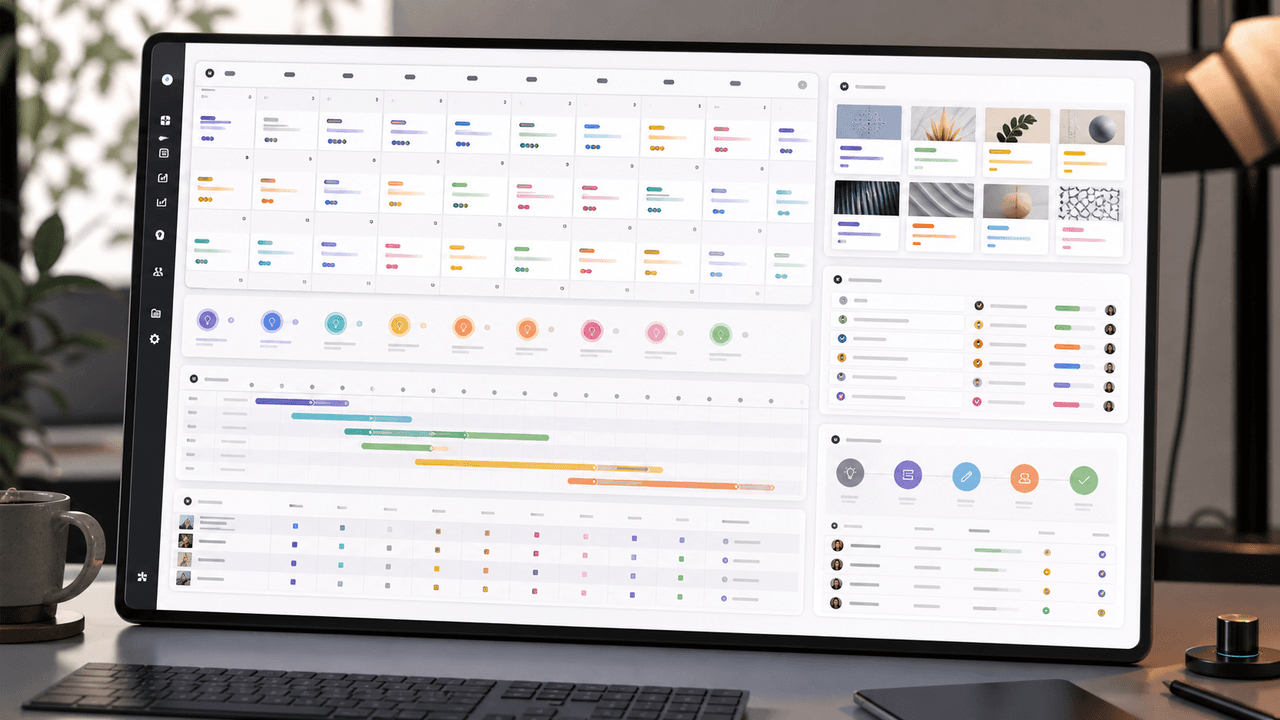
A 30-Day Calendar That Includes the Work Around Each Post
A useful monthly Instagram calendar records more than publication dates. It connects audience questions, approved sources, content pillars, owners, review gates, destinations, live URLs, listening notes, and correction decisions. The complete 30-day example below includes production and hold days so it can be adapted without implying that every account should post daily.
7-chapter read
Dental Clinic Social Media Content Calendar: 30 Days of Patient Trust Posts
A dental clinic content calendar should educate patients, reduce appointment anxiety, show the practice environment, explain common treatments, and build trust without overclaiming outcomes or exposing patient information. Use weekly content pillars, review-safe proof, Google Business Profile updates, and recurring carousel and TikTok slideshow formats.
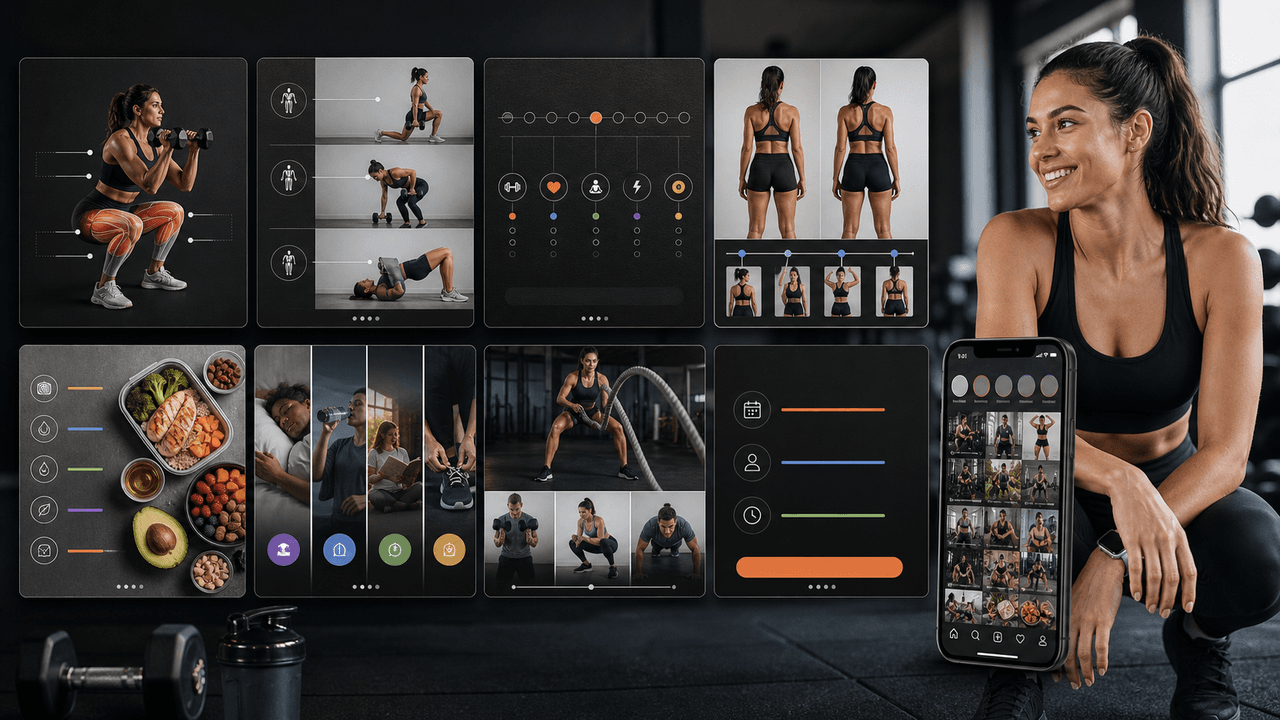
Fitness Trainer Instagram Carousels: The Content Guide That Fills Your Classes
Fitness trainers have the most visual, action-oriented content on Instagram, but most of them are posting the wrong types of carousels. This guide shows you the content mix, carousel structures, and posting strategy that actually fills classes and books clients.
Sources
- Physical Activity Guidelines for Americans — Health.gov
- Physical Activity for Adults — Centers for Disease Control and Prevention
- Create & manage posts on your Business Profile — Google Business Profile Help
- Tips for business-specific photos on your Business Profile — Google Business Profile Help
- FTC's Endorsement Guides: What People Are Asking — Federal Trade Commission
- TikTok Image Ads: Visual Marketing Solutions to Engage Customers — TikTok For Business
Written by
AttentionClaw
Editorial Team
Editorial context
Part of the Content Planning topic cluster. Last updated June 22, 2026.