Chapter 1
The direct answer: build the month around patient trust
A dental clinic social media content calendar should rotate through five jobs: preventive education, treatment explanation, anxiety reduction, practice familiarity, and appointment reminders. The point is not to post random smiling stock photos. The point is to help a local patient understand what the clinic does, what a visit feels like, and what action to take next.
For most practices, the strongest baseline is three to four posts per week. Use one educational carousel, one practice or team post, one treatment explainer, and one timely update or FAQ. Add TikTok slideshows when a question can be answered visually: what happens during a cleaning, what to expect at a first visit, or when tooth sensitivity needs attention.
Because dentistry is healthcare-adjacent and trust-sensitive, every post needs a review step. The American Dental Association recommends practices use social media policies, and the FTC's endorsement guidance is a reminder that testimonials and endorsements must be honest and not misleading. Treat the calendar as a patient education system, not a claims machine.
Callout
Editorial rule for dental clinics
If a post mentions a treatment result, patient story, review, or photo, it needs consent, accuracy, and a conservative claim review before it goes live.
Chapter 2
Use five dental content pillars instead of daily improvisation
The easiest way to keep a dental calendar useful is to assign every post to a pillar. Pillars prevent the feed from becoming either all promotions or all generic oral-health tips. A strong clinic feed shows expertise and approachability in the same month.
The five pillars are prevention, treatment clarity, patient comfort, local proof, and practice logistics. Prevention earns saves because patients can apply the advice at home. Treatment clarity helps patients understand services before they call. Patient comfort reduces fear. Local proof shows the practice is active and real. Logistics removes friction around hours, booking, financing, and first visits.
A pillar system also helps the clinic delegate content. A hygienist can draft prevention topics. The front desk can collect logistical questions. The dentist can review clinical accuracy. The owner or office manager can approve brand tone and compliance.
Prevention: brushing, flossing, sensitivity, diet, appliance care, pediatric hygiene.
Treatment clarity: cleanings, fillings, whitening, crowns, implants, Invisalign-style consultations, emergency visits.
Patient comfort: what the room looks like, what happens first, how the team explains options, sedation or anxiety policies where applicable.
Local proof: team milestones, community events, Google Business Profile updates, office improvements, safe review snippets.
Practice logistics: insurance reminders, appointment prep, booking windows, emergency guidance, holiday hours.
Chapter 3
A 30-day dental social media calendar
This calendar gives the clinic a month of posts without forcing daily content. Publish four posts per week if the practice has capacity; otherwise publish the first three and save the fourth as a story, Google update, or next-month reserve.
Every week should contain one direct patient question. Search and AI answer engines reward content that clearly answers a question, but the more important reason is practical: patients call when their specific concern is addressed in plain language.
Do not batch a month of posts and skip review. Batch the first draft, then review in weekly groups. That keeps the system efficient while allowing the practice to adjust for schedule changes, provider availability, promotions, or urgent patient communications.
- 1
Week 1: First-visit confidence
Post a carousel on what happens at a first dental visit, a team intro, a Google Business Profile update with office photos, and a FAQ slideshow about dental anxiety.
- 2
Week 2: Prevention and everyday care
Post a brushing or flossing mistake carousel, a sensitivity explainer, a hygienist tip, and a reminder about routine cleanings with a clear booking CTA.
- 3
Week 3: Treatment education
Post a crown-versus-filling explainer, a whitening expectation guide, an emergency dental visit checklist, and a behind-the-scenes equipment or sterilization post.
- 4
Week 4: Trust and local relevance
Post a review-safe quote slide, a community or school-related oral-health tip, a financing or insurance FAQ, and a month-end appointment availability reminder.
Chapter 4
The best post formats for dentists
Dental topics usually perform better as clear explainers than as vague inspiration. Use Instagram carousels for topics that need sequence, comparison, or checklist behavior. Use TikTok slideshows for fast question-answer content. Use Google Business Profile posts for timely updates that local patients can find on Search and Maps.
Google's Business Profile guidance says posts can include text, photos, or videos and can promote updates, offers, events, and news. For a dental clinic, that makes Google updates useful for hours, new-patient availability, holiday closures, whitening specials where compliant, and emergency appointment information.
TikTok's image ad guidance shows why image-based storytelling can work even in a video-first environment: multiple images can create volume and variety without a full shoot. A clinic can turn one educational answer into a slideshow without asking the dentist to film talking-head videos every day.
Carousel: '5 signs your tooth sensitivity should be checked.'
Slideshow: 'What actually happens during a dental cleaning.'
Google update: 'We added Friday morning hygiene appointments this month.'
Team post: 'Meet the hygienist who helps nervous first-time patients.'
FAQ post: 'Can I go to the dentist while pregnant?' with a conservative advice-to-call answer.
Before-after alternative: use illustrated process or consented, de-identified education rather than casual patient images.
Chapter 5
Use reviews and testimonials carefully
Reviews can be powerful, but dental clinics should not treat patient praise as unlimited content. The FTC's endorsement guidance centers on honesty and avoiding misleading endorsements. The ADA also flags online reviews and social media as legal and ethical marketing topics for practices.
The safer approach is to use short, accurate, consent-aware proof. Do not imply typical results from one patient story. Do not reveal private health information. Do not pressure patients for reviews in a way that creates discomfort. If the clinic uses a quote, keep it about experience, friendliness, clarity, or scheduling unless a qualified reviewer has approved a treatment-result claim.
A good trust post might say: 'A recent patient said the team explained every step before starting. That is one of our standards for nervous patients.' This uses social proof to reinforce a practice behavior without promising a clinical outcome.
- 1
Create a review-use checklist
Confirm source, consent, accuracy, privacy, and whether the quote implies a treatment outcome.
- 2
Prefer experience proof
Use quotes about clarity, kindness, scheduling, comfort, and communication before using outcome-heavy claims.
- 3
Pair proof with process
If patients praise comfort, explain the intake or chairside process that creates that comfort.
Chapter 6
A clinic-friendly production workflow
Dental teams do not have time for a daily blank page. The workflow should collect questions during the week, batch drafts once, review clinical claims, then create visual assets in a consistent style. The front desk and clinical team should not be reinventing design decisions each time.
Start with a question bank. Every call, consultation, hygiene visit, and online form creates content ideas. When a patient asks whether whitening hurts, whether a crown is urgent, or whether a child needs sealants, the team has found a real search query. Turn those questions into educational posts after clinical review.
AttentionClaw fits the production stage: the clinic can keep one visual system for education carousels, FAQ slideshows, team posts, and Google update images. The team still owns the advice, consent, and approval; AttentionClaw helps turn approved briefs into consistent social assets.
- 1
Monday: collect questions
Pull recurring questions from calls, hygiene rooms, DMs, and intake forms.
- 2
Tuesday: draft answers
Write short, plain-language answers with a clear appointment or call CTA when needed.
- 3
Wednesday: clinical and privacy review
Have the dentist or manager review claims, patient references, and treatment wording.
- 4
Thursday: produce assets
Create carousels, TikTok slideshow frames, and Google update images from the approved copy.
- 5
Friday: schedule and log
Schedule posts, record the topic and CTA, and note which questions still need follow-up content.
Chapter 7
Measure appointment intent, not just engagement
Dental clinics should track saves, profile visits, website clicks, calls, direction requests, and booked appointments where attribution is available. Likes are useful for feedback, but they are not the main business outcome.
Use simple campaign notes: post topic, format, CTA, and destination. If a sensitivity explainer drives calls while a team post drives profile visits, both have value. The content calendar improves when the clinic understands which topics create trust and which topics create action.
For local search, Google Business Profile photos and posts deserve attention because they appear close to the decision point. Google's photo guidance notes that business photos can help customers understand storefronts, products, and services. For a dental practice, exterior photos, waiting-room photos, and team photos reduce uncertainty before the first visit.
Track saves for educational carousels.
Track profile visits after team and comfort posts.
Track calls, booking clicks, and direction requests after logistics posts.
Track Google Business Profile photo and update activity separately from Instagram metrics.
Ask new patients where they first saw the practice, then add that answer to a monthly content review.
Next step
Turn dental patient questions into a month of posts
AttentionClaw helps clinics turn approved education topics, team photos, and appointment updates into consistent carousels, TikTok slideshows, and local content assets.
Common Questions
FAQ
More Reading
Keep reading
11-chapter read
Dental Whitening Consult Instagram Carousels
Dental whitening consult carousels should explain who whitening is for, what questions the dentist must review, what restorations can change expectations, and how to book a consult.
9-chapter read
Dental Cleaning Reminder Instagram Carousels: Bring Preventive Care Back
Dental cleaning reminder carousels should explain preventive care, what happens during a visit, what patients should ask, and how to book without shaming patients.
9-chapter read
Chiropractor New Patient Instagram Carousels: Explain the First Visit Carefully
Chiropractor new-patient carousels should explain the first visit, intake, examination, care discussion, and next step without overpromising outcomes or diagnosing people in comments.
8-chapter read
Dental Recall Reactivation Social Content: Bring Overdue Patients Back
Dental recall reactivation posts should make overdue patients feel invited, not scolded. Use prevention education, appointment expectations, insurance reminders, and clear booking CTAs while avoiding diagnosis or shame.
8-chapter read
Dental Insurance FAQ Social Posts: Explain Coverage Without Confusing Patients
Dental insurance FAQ posts help patients understand benefits, cost questions, network language, and payment expectations before they call. Clinics should keep the content educational, avoid promising coverage, and send patients to the office for plan-specific verification.
9-chapter read
Therapist Mental Health Awareness Content Calendar: Post Safely During Awareness Months
Mental health awareness content should normalize help-seeking, share general education, route crisis needs appropriately, and avoid turning social media into therapy. Use official toolkits, resource posts, boundaries, and practice-fit content to publish safely and usefully.
7-chapter read
Dental Treatment Explainer Social Posts: Turn Procedures Into Patient Education
Dental treatment explainer posts help patients understand procedures before they call or sit in the chair. Use plain-language sequences, source-backed patient education, conservative claims, and a clear consultation CTA rather than fear-based procedure marketing.
7-chapter read
Emergency Dental Social Media FAQ Posts: Educate Patients Before They Panic
Emergency dental FAQ posts help patients act calmly, understand urgency, and contact the right care path. The strongest posts are source-backed, plain-language, clinically reviewed, privacy-safe, and connected to the practice's actual emergency workflow.
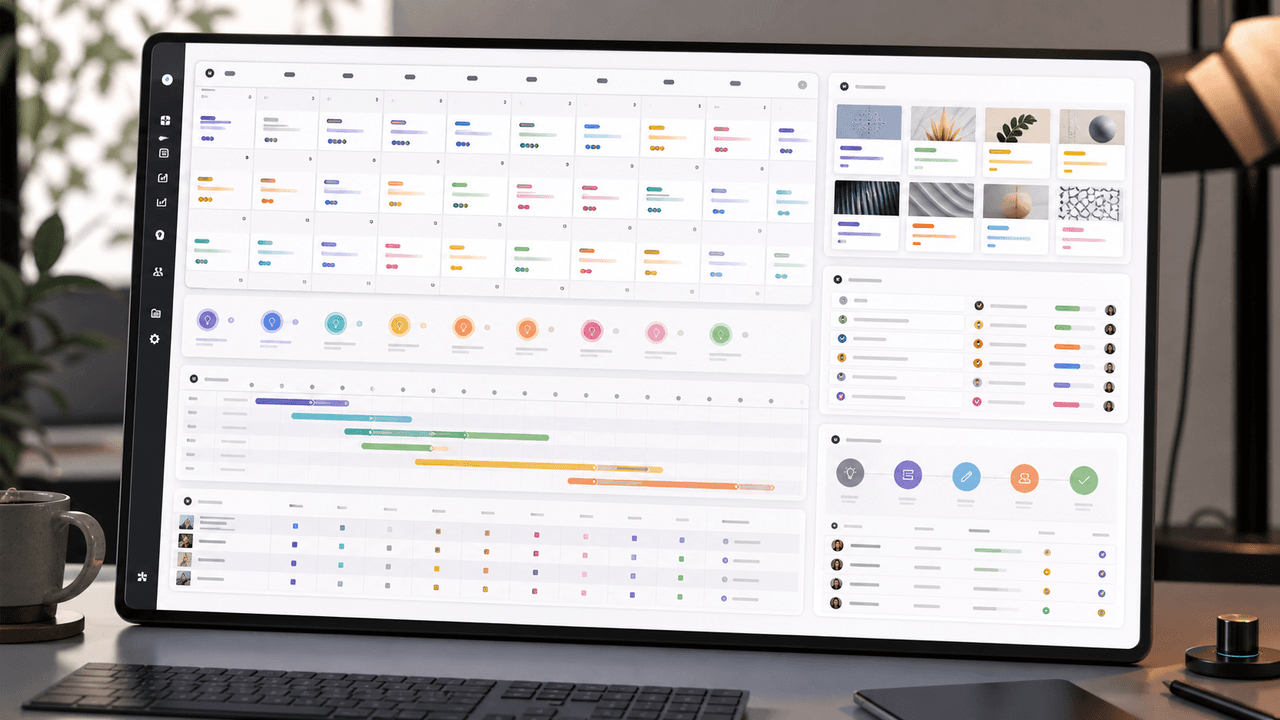
A 30-Day Calendar That Includes the Work Around Each Post
A useful monthly Instagram calendar records more than publication dates. It connects audience questions, approved sources, content pillars, owners, review gates, destinations, live URLs, listening notes, and correction decisions. The complete 30-day example below includes production and hold days so it can be adapted without implying that every account should post daily.
8-chapter read
Law Firm Social Media Content Calendar: Ethical Local Content That Builds Trust
A law firm social media calendar should answer common legal questions, explain process, show attorney credibility, and create consultation intent without giving misleading advice or implying guaranteed results. The best system combines education, decision guidance, local trust, and strict review.
Sources
- Social Media Policies for Dentists — American Dental Association
- Online Reviews / Social Media — American Dental Association
- FTC's Endorsement Guides: What People Are Asking — Federal Trade Commission
- Create & manage posts on your Business Profile — Google Business Profile Help
- Tips for business-specific photos on your Business Profile — Google Business Profile Help
- TikTok Image Ads: Visual Marketing Solutions to Engage Customers — TikTok For Business
Written by
AttentionClaw
Editorial Team
Editorial context
Part of the Content Planning topic cluster. Last updated June 22, 2026.