Chapter 1
The direct answer: show the first class before they arrive
A Pilates studio intro class TikTok slideshow should explain who the class is for, what to wear, what to bring, how the room and equipment work, how modifications are handled, and how to book.
HHS physical activity guidance and CDC physical activity resources support general movement education, while FTC endorsement guidance matters for testimonials or transformation-style claims.
The post should not promise injury recovery, weight loss, medical outcomes, or identical results for every student.
Callout
Pilates content rule
Sell the class experience, instructor support, and booking path, not guaranteed body changes.
Chapter 2
Build slideshows around beginner objections
Prospective students ask whether beginners are welcome, what socks to wear, how reformers work, whether they need flexibility, how modifications work, and what happens if they have an injury history.
Each slideshow should answer one objection. A grip socks post should not also become a health assessment and membership pricing guide.
Use real studio photos, equipment details, instructor introductions, class flow diagrams, and checklist cards. Avoid showing clients without permission.
What to expect in your first Pilates class.
What to wear and bring.
Reformer basics without intimidation.
How modifications work.
Intro class versus open class.
Questions to ask before booking.
Studio etiquette and arrival time.
How to choose a beginner package.
Chapter 3
Use a seven-slide intro class slideshow
The sequence reduces anxiety and helps prospects choose the right first class.
Review health, injury, pricing, and testimonial claims before publication.
- 1
Slide 1: beginner question
Open with 'New to Pilates?' or a first-class concern.
- 2
Slide 2: who it fits
Explain the intro class audience and prerequisites.
- 3
Slide 3: what to bring
Mention socks, water, arrival time, and studio-specific needs.
- 4
Slide 4: class flow
Explain check-in, equipment orientation, movement, and cooldown.
- 5
Slide 5: modifications
Explain instructor support and when to share relevant limitations privately.
- 6
Slide 6: expectation
Avoid outcome promises and explain consistency.
- 7
Slide 7: CTA
Book intro class, claim a trial, or save the checklist.
Chapter 4
Avoid risky transformation claims
Pilates studios can show strength, consistency, instructor support, and class experience without promising medical results or body transformations.
Client photos, before-afters, and testimonials need permission and accurate context.
If someone has pain, pregnancy, surgery history, or medical concerns, route them to private intake and appropriate professional guidance.
No guaranteed weight loss claims.
No injury recovery promises.
Permissioned client images only.
Health concerns routed privately.
Clear intro class CTA.
Chapter 5
How AttentionClaw helps Pilates studios package intro classes
AttentionClaw helps Pilates studios turn instructor scripts, studio photos, beginner FAQs, and offer details into TikTok slideshows and Instagram carousels.
Templates can cover first class prep, reformer basics, grip socks, intro packages, instructor intros, and challenge launches.
Callout
Pilates workflow
Choose beginner objection, add studio details, select permissioned visuals, generate slideshow, review claims, publish with intro class CTA.
Chapter 6
Measure intro bookings and first-class readiness
Track intro class bookings, trial claims, saves, questions about what to bring, and first-class show-up rate.
If new students arrive prepared and less anxious, the slideshow is improving conversion.
Track intro class bookings.
Track trial offer claims.
Track saves on first-class checklists.
Track beginner questions.
Track intro-to-membership conversion.
Chapter 7
A decision framework for first-time students: which class to book
One of the most common intro-class conversion failures is asking a new prospect to choose from a full schedule without guidance. If a studio offers reformer fundamentals, mat foundations, beginner flow, and intro private sessions, a first-time student may not know which to pick — and the easiest response to confusion is to close the tab.
A slideshow can act as a lightweight decision tree. Slide one poses the question: 'Not sure which first class is right for you?' Slide two covers mat classes — no equipment, good for those who want to understand the method before machinery. Slide three covers reformer fundamentals — guided and low-pressure, ideal for those who saw a reformer and want to try it immediately. Slide four covers intro privates — one instructor, full attention, recommended for people with injuries or movement concerns. The final slide is a direct CTA: 'Message us and we'll match you to the right class.'
This format reduces the studio's inbound 'which class should I do?' questions while also increasing the quality of the first booking — because the student arrives already matched to the right format for their starting point.
Chapter 8
The 'what to wear and bring' slide that removes last-minute hesitation
Grip socks are one of the highest-friction first-class barriers. Many new students don't know they're required until they arrive, feel embarrassed, and either leave or buy reluctantly at the front desk. A single slide that says 'Grip socks are required — here's where to get them, or we sell them at the front desk' removes that friction entirely. The transparency actually increases trust.
Beyond socks, the what-to-bring slide should cover: form-fitting or stretchy clothes (nothing loose that catches in equipment), a water bottle, whether mats and equipment are provided, and whether to eat lightly beforehand. These are small logistics points, but getting them wrong makes a first experience uncomfortable. A student who shows up prepared is more likely to enjoy class and come back.
If the studio has a specific check-in process — a waiver, an app download, a specific arrival window before class — include it here. Operational friction on day one is a conversion killer. The more the student feels like they know exactly what will happen when they walk in, the lower the show-rate drop-off.
Callout
Prepared students become returning students
First-visit no-shows and drop-offs are often not about the class itself — they're about arriving unprepared and feeling out of place. Logistics slides do real conversion work.
Chapter 9
Beyond bookings: what to measure in intro class content
Intro class slideshow performance should be tracked at multiple points in the funnel, not just at booking. A high save rate on a logistics slide (what to wear, what to bring) tells you that people are storing the information for a future visit — those saves represent warm prospects who haven't booked yet. Following up with a targeted story or post a week later can convert that saved interest into a booking.
Track the question types that arrive in comments and DMs after a post. If most questions are about injury modifications, consider building a dedicated 'can I do Pilates if I have [X]?' post to handle that objection at scale. If questions cluster around pricing, the post is doing its awareness job but the offer slide may need to be more specific.
First-class show rate — the percentage of booked intro students who actually arrive — is the most direct downstream measure of how well the content prepared them. Studios with thorough logistics slideshows (what to wear, when to arrive, what happens on day one) typically see lower no-show rates because the student feels oriented before they walk in. Compare show rate across booking sources to see whether social-acquired students are arriving at higher or lower rates than other channels.
Next step
Turn first-class questions into Pilates slideshows
AttentionClaw helps Pilates studios package beginner FAQs and intro offers into TikTok slideshows and Instagram carousels.
Common Questions
FAQ
More Reading
Keep reading
11-chapter read
Yoga Studio Beginner Class Instagram Carousels
Yoga studio beginner class carousels should explain class fit, what to bring, intensity, modification options, health boundaries, and booking CTA without making medical promises.
9-chapter read
Tattoo Studio Aftercare Instagram Carousels
Tattoo studio aftercare carousels should explain what clients should ask, how to follow artist instructions, infection warning signs, booking prep, and when to seek medical advice.
9-chapter read
Martial Arts Beginner Class TikTok Slideshows: Turn Curiosity Into Trial Visits
Martial arts beginner class slideshows should explain what to wear, class etiquette, safety, goals, parent questions, and trial booking without promising discipline or self-defense outcomes.
9-chapter read
Dance Studio Trial Class Instagram Carousels: Help New Students Show Up
Dance studio trial class carousels should help new students and parents understand what to wear, what to bring, class level, expectations, privacy, and how to book.
9-chapter read
Franchise Gym Challenge TikTok Slideshows: Turn Local Energy Into Trial Signups
Franchise gym challenge slideshows should explain the challenge format, local schedule, support, safety expectations, and trial signup CTA without promising unrealistic transformations.
9-chapter read
Gym Intro Offer TikTok Slideshows: Sell Trial Weeks Without Overpromising Results
Gym intro-offer TikTok slideshows should explain who the trial is for, what happens during the first week, how coaches scale workouts, and how to join without promising body transformations.
9-chapter read
Yoga Studio Class Pass TikTok Slideshows: Sell the First Visit
Yoga studio slideshows should reduce first-visit anxiety: what class to choose, what to bring, who teaches it, what the room feels like, and how the intro pass works. The right content sells comfort and clarity, not just poses.
8-chapter read
Gym Class Social Content Calendar: Fill Classes With Local Posts
A gym class content calendar should sell confidence before it sells intensity. Use class previews, beginner guidance, trainer education, member proof, seasonal challenges, and local booking reminders to turn social attention into trial classes and repeat attendance.
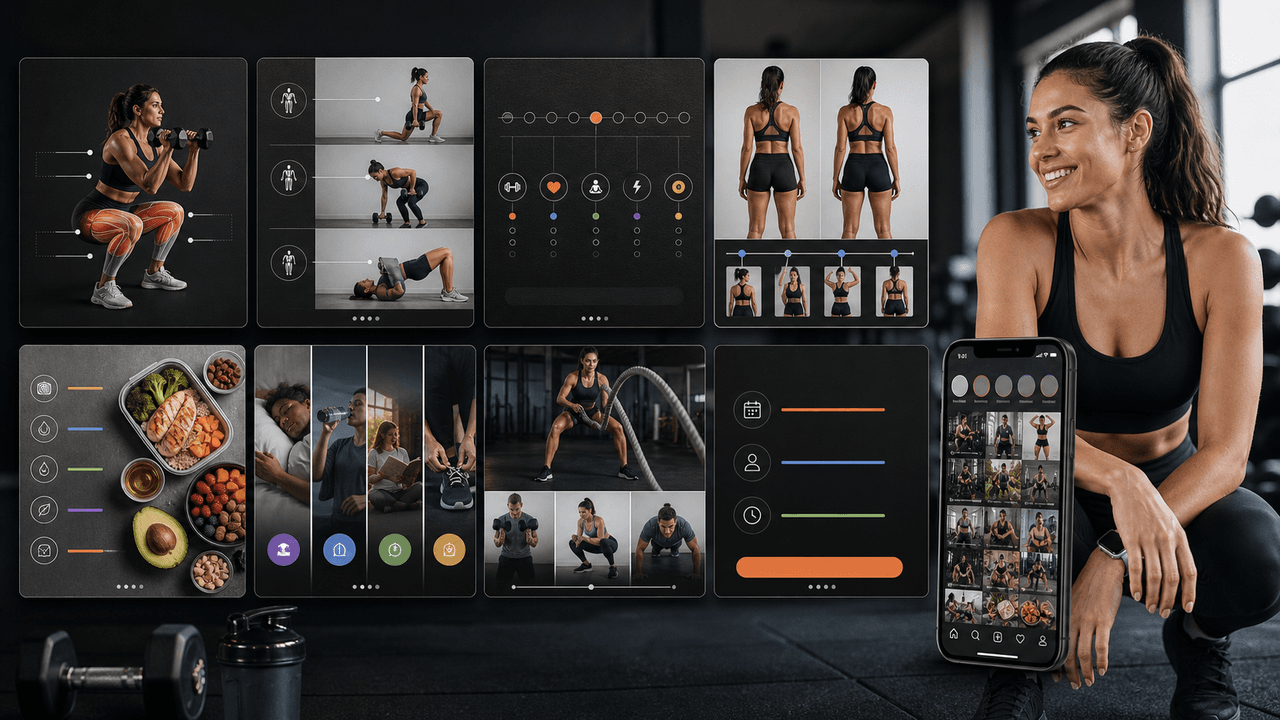
Fitness Trainer Instagram Carousels: The Content Guide That Fills Your Classes
Fitness trainers have the most visual, action-oriented content on Instagram, but most of them are posting the wrong types of carousels. This guide shows you the content mix, carousel structures, and posting strategy that actually fills classes and books clients.
Sources
- Physical Activity Guidelines for Americans — Office of Disease Prevention and Health Promotion
- Physical Activity Basics — Centers for Disease Control and Prevention
- FTC's Endorsement Guides: What People Are Asking — Federal Trade Commission
- TikTok Image Ads: Visual Marketing Solutions to Engage Customers — TikTok For Business
Written by
AttentionClaw
Editorial Team
Editorial context
Part of the Carousel Creation topic cluster. Last updated June 22, 2026.