Chapter 1
A playlist is already a curriculum
A YouTube playlist groups videos around a theme, sequence, or viewing journey. That makes it stronger source material than isolated uploads.
Instead of asking what to post this week, a creator can ask what each playlist video teaches, what question it answers, and what next video it should lead to.
The social calendar then supports the viewing journey instead of promoting random videos.
Chapter 2
Use playlist structure as the calendar structure
YouTube Help explains that creators can create and manage playlists and choose privacy settings. For repurposing, the key is that playlist order and naming create an editorial map.
Start by writing the playlist promise, then list each video by role: beginner answer, mistake correction, example, comparison, advanced tutorial, or next step.
That role decides the social angle for the week.
Chapter 3
Map every video into six assets
- 1
Question post
Turn the video title into the question the viewer is asking.
- 2
Lesson carousel
Summarize the core teaching in a step-by-step visual asset.
- 3
Quote or claim
Pull one memorable line that can stand alone.
- 4
Community prompt
Ask viewers which problem they want solved next.
- 5
Short-form angle
Turn one moment into a clip, slideshow, or quick answer.
- 6
Next-watch CTA
Point to the playlist or the next video in sequence.
Chapter 4
Use YouTube posts to keep the playlist alive
YouTube posts can include polls, quizzes, text, images, and video. That makes them useful for reviving older playlist videos without uploading a new long-form video.
For example, a creator can ask which lesson was hardest, quiz viewers on a concept from the playlist, or share a visual summary of video three.
This turns the playlist into an ongoing learning loop rather than a static archive.
Chapter 6
Make each post useful without the click
Google's helpful content guidance is a useful standard for playlist repurposing. Each post should answer a real question even if the reader does not immediately watch the video.
The CTA can still point to the playlist, but the post itself should deliver a clear lesson, framework, or next step.
That is what separates repurposing from repeated link promotion.
A good playlist post should make the viewer more ready for the video. It might define the key term, show the mistake the video fixes, or preview the first step before the CTA.
This also helps creators avoid audience fatigue. The playlist link can appear repeatedly across a campaign, but each asset should give a different reason to enter the series.
Chapter 7
Track by playlist theme and video role
Use campaign parameters for links that point back to the playlist or individual videos from email, social posts, or landing pages.
A useful naming pattern is playlist_theme, video_role, platform, and asset_type. That lets the creator compare tutorial carousels against community polls or quote posts.
The goal is not only views. Track playlist starts, next-video movement, subscribers, email joins, and product clicks.
For older playlists, compare performance before and after the repurposing cycle. If social assets increase starts on older videos, the calendar is reviving the library instead of only promoting new uploads.
That matters for creators with deep archives because a strong playlist can keep earning attention long after the original publishing week.
Before sending new traffic into an old playlist, check for outdated CTAs, broken links, weak descriptions, and videos that no longer match the current offer. A refreshed archive gives the social campaign somewhere useful to send people.
If the playlist supports a product or course, update the bridge assets too: pinned comments, description links, end-screen choices, and the first email after a viewer joins the list.
Chapter 8
Where AttentionClaw fits
AttentionClaw fits after the creator maps the playlist and video roles. It can turn that map into a monthly set of carousels, captions, polls, and repurposed post ideas.
This makes older YouTube libraries useful again without forcing the creator to start from a blank calendar.
Callout
Turn a YouTube playlist into a structured social calendar
Use AttentionClaw to turn a YouTube playlist into a structured social calendar that drives viewers back into the series.
Chapter 9
Audit the playlist before building the calendar
Not every video in a playlist is equally worth repurposing. Before mapping the calendar, spend thirty minutes reviewing each video's performance and content type. Videos with high save rates, strong comment activity, or durable search traffic are stronger repurposing candidates than videos that performed once and lost relevance. Videos with outdated information, platform-specific references that have changed, or low audience resonance may not be worth pulling into the calendar at all.
Create a simple audit column for each video: topic, still accurate (yes/partial/no), engagement signal (high/medium/low), and content type (tutorial, story, opinion, list, Q&A). This takes twenty minutes and prevents you from spending production time on content that will underperform on second exposure.
- 1
List every video in the playlist
Use a simple spreadsheet. Include title, publish date, view count, comment count, and any major engagement signals (most saved, most shared, most linked to).
- 2
Mark content type and freshness
Label each video: tutorial, opinion, story, listicle, or Q&A. Mark whether the information is still accurate, partially outdated, or fully outdated.
- 3
Prioritize the top third
Focus the first calendar cycle on the top third of videos by engagement signal and accuracy. The rest can be deferred or updated before repurposing.
Chapter 10
Adapt playlist content for each platform's native format
The mistake most creators make when repurposing a playlist is copying the structure of the original video rather than rebuilding the idea in the platform's native format. A ten-minute YouTube tutorial does not become a good Instagram carousel just by pulling out six screenshots. The carousel needs its own entry point, its own pacing, and its own hook — one that works for someone scrolling without audio or context.
For each platform, the adaptation rule is different. On Instagram carousels, the first slide must work as a standalone hook. On TikTok slideshows, the first two slides must create a question or tension that makes the viewer slide forward. For LinkedIn posts, the first sentence carries all the weight. For email, the subject line and first paragraph determine whether anyone reads the rest. Playlist repurposing done well means rebuilding each asset from the audience's starting point, not the video's starting point.
Callout
The platform adaptation checklist
Before publishing any repurposed asset, ask: Does the opening work for someone who has never seen the original video? Is the format appropriate for how this platform's audience consumes content (audio-on vs. silent, long-form vs. scannable)? Does the asset end with a clear action or takeaway that does not require clicking to the original video?
Next step
Turn playlists into monthly content
AttentionClaw helps YouTube creators convert playlist libraries into carousels, captions, posts, and viewer prompts.
Common Questions
FAQ
More Reading
Keep reading
10-chapter read
How to Turn an Educator Syllabus Into a Content Calendar
An educator syllabus can become a content calendar when each week is mapped to the learner question, misconception, example, practice prompt, proof asset, and next-step CTA.
A 30-Day Calendar That Includes the Work Around Each Post
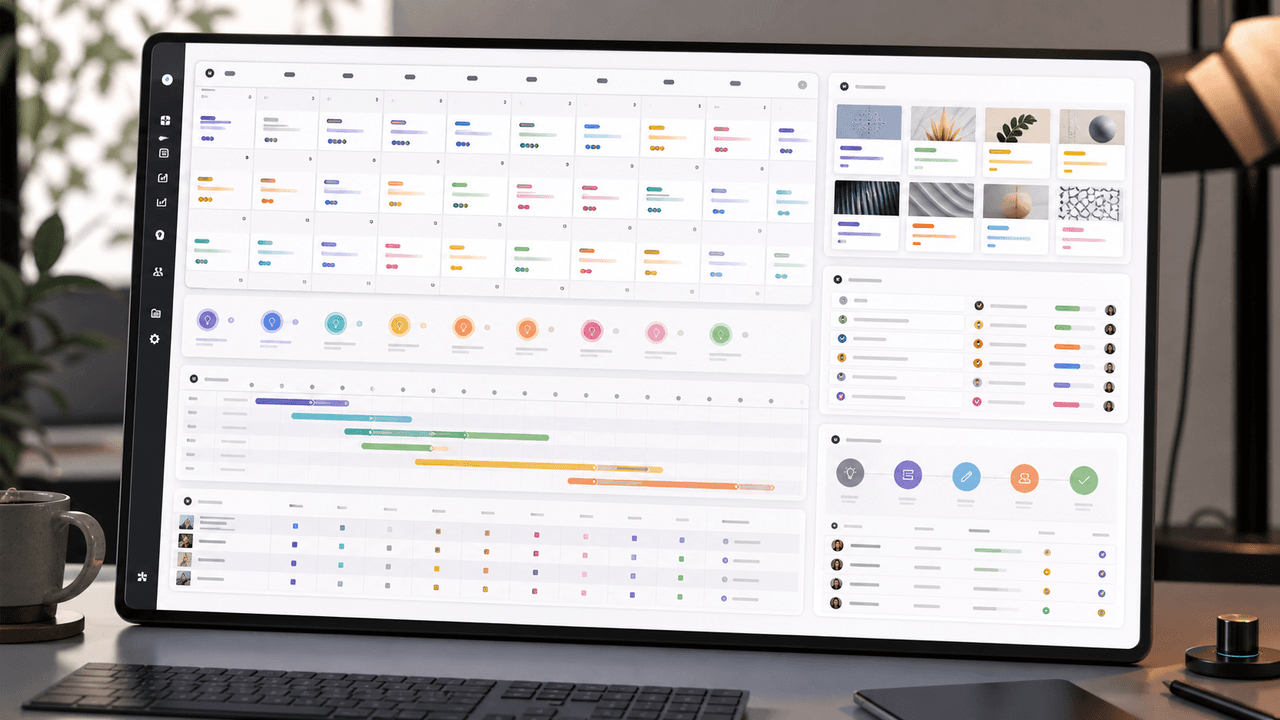
A useful monthly Instagram calendar records more than publication dates. It connects audience questions, approved sources, content pillars, owners, review gates, destinations, live URLs, listening notes, and correction decisions. The complete 30-day example below includes production and hold days so it can be adapted without implying that every account should post daily.
10-chapter read
How to Turn Podcast Show Notes Into Social Posts
Podcast show notes are a structured source for social content when you separate the episode promise, guest authority, timestamps, resources, questions, and CTA.
10-chapter read
How to Turn Audience Survey Results Into a Content Calendar
Audience survey results become a content calendar when you sort answers by pain, desired outcome, objection, language, and next-step intent, then map each group to a useful content format.
10-chapter read
How to Turn One Blog Post Into a Full Social Content System
A strong blog post can become a full social content system when you extract the direct answer, framework, examples, sources, objections, and CTA separately instead of summarizing the whole article.
10-chapter read
How to Turn a Newsletter Archive Into a Content Hub
A newsletter archive becomes a content hub when you cluster old issues by search intent, update the strongest pieces, add sources, build internal links, and convert each cluster into social assets.
10-chapter read
How to Turn YouTube Comments Into Content Ideas
YouTube comments become a content engine when you sort them by question, objection, correction, story, and request. Each group maps to a different post type and shows what the audience actually wants next.

A YouTube Community Post Content System for Creators
YouTube posts work best when they are part of a source-content system. Use chapters, comments, audience questions, and video proof moments to create polls, quizzes, image posts, carousel ideas, and newsletter prompts between uploads.

From YouTube Transcript to a Reviewable Carousel Brief
Repurposing a YouTube video into an Instagram carousel is an editorial adaptation, not a transcript export. Work from video material you are authorized to reuse, preserve the source meaning, score candidate excerpts for fit, assign each slide a job, and complete a platform and rights review before publishing.
Sources
- Create and Manage Playlists — YouTube Help
- Learn About Posts — YouTube Help
- Creating Helpful, Reliable, People-First Content — Google Search Central
- URL Builders: Collect Campaign Data With Custom URLs — Google Analytics Help
Written by
AttentionClaw
Editorial Team
Editorial context
Part of the Repurposing topic cluster. Last updated June 22, 2026.