Chapter 1
The direct answer: make the booking path obvious
A hotel group room block Instagram carousel should explain the event name, booking link or code, cutoff date, room types, parking or shuttle basics, check-in expectations, and who to contact for changes.
The post should avoid promising availability, rate protection, or special accommodations beyond the actual agreement. Room block terms vary by contract, date, and group size, so sales-approved wording matters.
Use the carousel as a guest-readiness asset: one question per slide, plain instructions, and a CTA that sends guests to the approved booking path.
Callout
Group-sales rule
Explain the booking process and deadline; do not rewrite the contract in social copy.
Chapter 2
Build the carousel around guest questions
The most useful hotel carousel starts with the questions guests ask after seeing an invitation: Where do I book? Is there a code? What is the cutoff? Can I extend my stay? Is parking included? Are accessible rooms available?
ADA service animal and accessibility topics need careful, policy-accurate wording. The hotel should use approved guest-services language rather than improvising in comments.
For weddings, tournaments, conferences, and retreats, make one version per event type. The same room block structure can be adapted without becoming a generic hotel ad.
Name the event and stay dates.
Show booking link, code, or sales contact.
State the cutoff date and what it means.
List guest questions to ask before booking.
Route accessibility and service-animal questions to approved hotel channels.
Remind guests not to post reservation details in comments.
Chapter 3
Use a seven-slide room block carousel
Keep each slide operational. A group block post succeeds when a guest can book without hunting through a caption.
Use real hotel imagery when possible: lobby, exterior, guest room, breakfast, meeting space, and shuttle pickup area.
- 1
Slide 1: event hook
Name the event and the hotel stay problem.
- 2
Slide 2: block basics
Explain that rooms are held under a group arrangement until the stated cutoff or sellout.
- 3
Slide 3: how to book
Show booking code, approved link, or sales desk instructions.
- 4
Slide 4: dates and rooms
Clarify stay dates, room types, and extension questions.
- 5
Slide 5: logistics
Cover parking, shuttle, check-in, breakfast, or venue distance when confirmed.
- 6
Slide 6: guest support
Route accessibility, service-animal, and reservation-change questions.
- 7
Slide 7: CTA
Book before the cutoff or contact the hotel sales team.
Chapter 4
Set rate, availability, and accessibility guardrails
FTC advertising guidance applies to hotel marketing claims. Do not imply a rate, amenity, shuttle, or availability promise unless the hotel can honor it for the viewer's situation.
ADA service-animal and accessibility questions should be answered from hotel policy and legal guidance, not casual comment replies. A social carousel can invite guests to contact the hotel early.
If the room block has attrition, planner obligations, or contract-specific terms, keep those out of public guest-facing social posts unless sales and legal teams approve the wording.
Avoid universal availability claims.
Use sales-approved cutoff language.
Do not publish guest reservation details.
Route accessibility questions to approved channels.
Keep contract terms out of generic captions.
Chapter 5
How AttentionClaw helps hotels package group sales content
AttentionClaw can turn event briefs, approved sales language, room photos, guest FAQs, and property logistics into room block Instagram carousels.
Hotels can reuse the structure for weddings, tournaments, corporate retreats, family reunions, conferences, and venue partnerships while changing the confirmed details for each event.
The sales team controls rates and terms. AttentionClaw keeps the guest instructions clear and repeatable.
Callout
Hotel workflow
Collect event details, confirm sales language, draft the carousel, review guest-service boundaries, publish with the booking link.
Chapter 6
Measure block pickup and fewer support questions
Measure bookings from the carousel, link clicks, saves, shares from planners, and fewer repeated guest questions about cutoffs and codes.
If guests still call about basic booking instructions, the carousel needs clearer slide sequencing or a more visible CTA.
Group booking link clicks.
Bookings before cutoff.
Planner shares.
Reservation desk question volume.
Guest saves before travel dates.
Chapter 7
Test the Booking Path Before the Carousel Goes Live
Group room block posts fail operationally most often because the booking path the carousel describes does not match what guests actually encounter. A code that requires a loyalty login, a link that defaults to wrong dates, or a rate that differs from the post all generate calls that blame the hotel rather than the booking system. Test the exact path from a device that has no hotel accounts logged in before the post goes live.
The three most common mismatches to check: the code is active and returns the correct rate, the arrival and departure dates in the link reflect the actual block nights, and the room types shown in the carousel are still available in the block inventory. These can all change between when the post is drafted and when it is published, especially for large groups booked months in advance.
Building a simple two-minute pre-publish checklist for group block content reduces the volume of 'I tried the code and it didn't work' calls significantly. That class of call is entirely preventable and creates disproportionate frustration because it happens at the moment the guest is ready to commit.
Chapter 8
What to Tell Guests After the Cutoff Date — and How to Post About It
Every group block has a cutoff date, and some guests will miss it. The group block carousel should either include a slide about what happens after cutoff — standard rate availability, alternative nearby options, or a contact for late exceptions — or the post should be followed up with a cutoff-reminder post two weeks and one week before the date.
A cutoff-reminder post takes almost no content investment and reduces the specific volume of post-cutoff calls from guests who did not see the original carousel. It can be formatted as a simple Story or a single-slide reminder: 'Room block for [Event] closes [Date]. Book with code [X] before then for the group rate.' Brief, direct, and useful.
After the cutoff passes, update the original post's caption or add a Story highlight that explains the block has closed and provides the standard booking path. Guests who find the original carousel through search or shares weeks later will otherwise follow instructions that no longer apply, generating the kind of frustrated call that a sentence of caption updating can prevent.
Chapter 9
How Event Planners and Coordinators Can Share Group Block Content Effectively
Group room block carousels reach their highest utility when the event planner or coordinator shares them directly to the invitee audience rather than relying on hotel followers to find them. Format the carousel so it is share-ready for planners: clean branding, legible booking instructions, and a caption that works without the hotel account's bio context. A planner should be able to repost this to their event-specific Instagram account or send it to guests via DM without adding confusing extra context.
Consider creating a simple version of the carousel without the hotel's logo that the planner can share in a way that feels native to their communication with guests. The hotel gets the booking; the planner gets to look organized. Both incentives align to make the share happen.
If your hotel works with a wedding or events coordinator on staff, have that person listed as the contact in the carousel rather than a general reservations line. Guests trust a named coordinator contact more than a department number, and it routes inquiries to someone who already has full context on the block's terms and the event's specifics.
Next step
Turn guest questions into room block content
AttentionClaw helps hospitality teams turn sales-approved event details into clear Instagram carousels that support bookings and reduce repetitive guest questions.
Common Questions
FAQ
More Reading
Keep reading
8-chapter read
Restaurant Banquet Menu Instagram Carousels
Restaurant banquet menu carousels should explain menu formats, guest-count fit, buffet or plated options, allergen questions, food-safety expectations, and inquiry CTAs.
9-chapter read
Hotel Wedding Room Block Instagram Carousels: Help Couples and Guests Book Correctly
Hotel wedding room block carousels should explain block codes, cutoff dates, stay dates, room types, guest logistics, and support contacts without oversimplifying contracts or fees.
8-chapter read
Event Ticket Sales Social Content: Posts That Answer Before Guests Buy
Event ticket sales posts should answer timing, price, access, refund, schedule, age, food, accessibility, and arrival questions before guests buy. The best campaigns reduce uncertainty and make the ticket CTA obvious.
9-chapter read
Event Planner Accessibility Social Content: Show Guests What to Expect
Event accessibility content should help attendees understand arrival, routes, seating, communication, food, service animals, accommodations, and contact paths before they arrive. Good posts support inclusion while routing specific accommodation needs to the event team.
9-chapter read
Hotel Weekend Package TikTok Slideshows: Sell the Itinerary, Not Just the Room
Hotel weekend package slideshows work when they sell a short itinerary: arrival, room, food, local activity, amenity, and booking action. The package should feel easy to imagine and easy to book.
7-chapter read
Hotel Amenity Instagram Carousel Content: Turn Features Into Bookings
Hotel amenity carousels work when they translate features into trip decisions: sleep quality, convenience, accessibility, local access, group needs, and booking confidence. The post should answer what the guest can expect and why it matters for this stay.
8-chapter read
Carousel Slide Order That Converts: Hook, Proof, Offer, CTA
A converting carousel usually follows a clear order: hook, context, problem, solution or product, proof, objection handling, offer, and CTA. The exact slide count can change, but the reader should never wonder why the next slide exists.
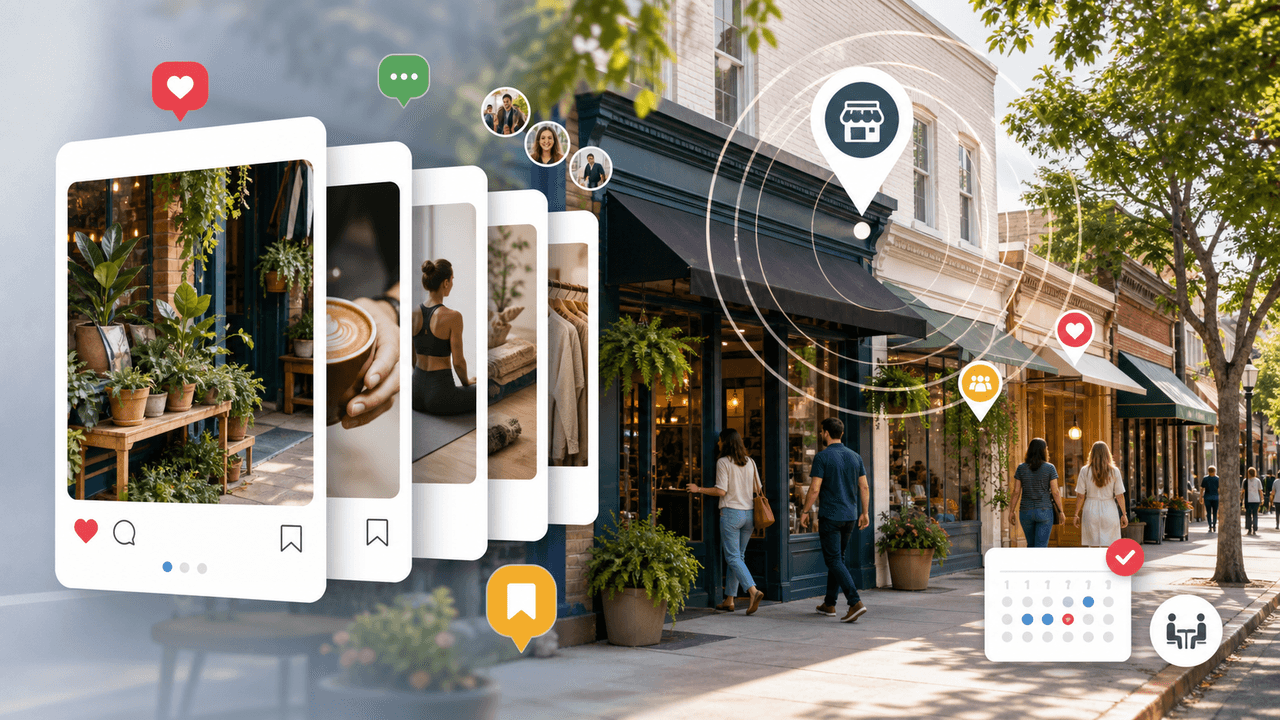
Local Business Instagram Carousels: Drive Foot Traffic Without Paid Ads
Local businesses do not need viral content. They need carousels that reach the right 5,000 people within a ten-mile radius. A local carousel strategy turns your expertise, your team, and your community presence into foot traffic without spending a dollar on ads.
Sources
- Frequently Asked Questions about Service Animals and the ADA — ADA.gov
- Advertising and Marketing Basics — Federal Trade Commission
- Safe Stay — American Hotel & Lodging Association
- About Carousel Ads — Meta Business Help Center
Written by
AttentionClaw
Editorial Team
Editorial context
Part of the Carousel Creation topic cluster. Last updated June 22, 2026.