Chapter 1
The direct answer: turn ticket friction into social content
Event ticket sales social content should explain price tiers, deadlines, schedule, venue access, refund or transfer policy, age rules, food and drink, accessibility, parking, and what happens after purchase.
The ADA National Network and ADA.gov resources are relevant when access and communication details affect attendees. FTC review guidance is relevant when events reuse testimonials, influencer content, or urgency claims.
A strong ticket campaign uses one CTA repeatedly: buy tickets, join waitlist, RSVP, or ask the event team before purchasing.
Callout
Ticket content rule
Answer the questions that stop people from buying: timing, price, access, refunds, schedule, and arrival.
Chapter 2
A seven-post ticket launch sequence
Ticket sales need a sequence because guests buy at different stages. Some need the headline, some need schedule details, and some need access or refund clarity.
Start with the announcement, then explain who the event is for, what is included, how arrival works, what deadlines matter, what guests asked last year, and a final reminder.
Use dates and real deadlines. Do not create false scarcity or fake countdowns.
- 1
Post 1: Tickets are live
Name the event, date, venue, and ticket CTA.
- 2
Post 2: What is included
Explain admission, sessions, food, drinks, seating, merch, or add-ons.
- 3
Post 3: Schedule preview
Show doors, start time, breaks, main moments, and end time.
- 4
Post 4: Arrival guide
Cover parking, transit, check-in, ID, bags, and venue entry.
- 5
Post 5: Access and accommodations
Share accessibility contact, seating, communication, and request deadlines.
- 6
Post 6: Ticket FAQ
Answer refunds, transfers, age rules, weather, and sold-out questions.
- 7
Post 7: Final reminder
Repeat the real deadline and buying path.
Chapter 3
Ticket FAQ topics that reduce support messages
The best ticket posts come from support inbox questions. If guests repeatedly ask about parking, refunds, seating, weather, accessibility, or schedule, turn each answer into a post.
Keep policy posts precise and current. A refund policy, door time, or access contact can change by event, so avoid evergreen claims that staff will forget to update.
For recurring events, save the best FAQ posts as story highlights and update them every launch.
What does the ticket include?
Can I transfer my ticket?
What is the refund policy?
What time should I arrive?
Is there accessible seating?
Can I bring children?
What happens if it rains?
Is food included?
Where do I park?
What if the event sells out?
Chapter 4
Use proof without fake urgency
Event marketers often use reviews, attendee quotes, creator posts, and sellout claims. These can work, but they need to be accurate and transparent.
FTC review and testimonial rules prohibit deceptive review practices, and endorsement guidance matters when creators, sponsors, or partners promote the event. Do not buy fake social proof or imply a review is independent if it is not.
Urgency should be real. 'Early bird ends Friday' is useful if true. 'Almost sold out' should reflect actual inventory.
Use real attendee quotes with permission.
Disclose creator or sponsor relationships where needed.
Do not create fake reviews or fake follower proof.
Use real deadlines and inventory claims.
Keep refund and transfer language easy to find.
Chapter 5
How AttentionClaw helps event teams build ticket campaigns
AttentionClaw helps venues and event businesses turn ticket details into a full launch sequence: announcement, schedule preview, arrival guide, access notes, FAQ, proof, and final reminder.
The event team supplies current policies, deadlines, access details, sponsor disclosure needs, and ticket links. AttentionClaw packages the campaign into carousels, slideshows, and story frames.
That gives the team a repeatable ticket sales system instead of one rushed announcement post.
Callout
Ticket campaign workflow
Confirm event facts, write the FAQ, review access and review claims, generate assets in AttentionClaw, and update deadlines as sales progress.
Chapter 6
How to create genuine urgency in ticket sales content without fabricating scarcity
Ticket sales content often defaults to 'going fast — grab yours now,' whether or not that reflects reality. Audiences have become fluent at recognizing artificial scarcity, and when they perceive it, trust drops. The alternative is finding and communicating real urgency signals that exist in nearly every event: price tiers that actually close, schedule items that actually require a ticket, and logistical deadlines that actually affect the experience.
Real urgency examples: early-bird pricing ends on a specific date, not 'soon.' Hotel room blocks for out-of-town guests close before general ticket sales end. Preferred seating in a tiered venue is genuinely limited and allocated first-come. Meal selection for a ticketed dinner must be submitted by a specific date. Add-on experiences — backstage access, meet-and-greet, VIP lounge — have capacity limits separate from general admission. Each of these is a genuine deadline that creates real consequences for waiting, and each is more persuasive than a generic 'hurry' message.
When none of these apply, the honest urgency message is about the experience itself: 'This is the only performance this year in this city' or 'This session is not recorded — this is the only way to attend live.' These are true statements about value, not manufactured pressure, and they land better with audiences who have learned to filter out countdown-clock tactics.
Chapter 7
Post-purchase content that reduces no-shows and support questions
Ticket sales content is often focused entirely on converting potential buyers, but some of the most valuable event social content is directed at people who have already purchased. Confirmed attendees who receive useful preparation content — parking, schedule, what to bring, arrival tips — show up better prepared, ask fewer support questions, and have a better experience that generates post-event word of mouth.
Effective post-purchase content topics: a parking and arrival guide posted one week before the event; a schedule highlight post showing the must-arrive-by time for the first session; a 'what to bring' list for outdoor or multi-day events; a day-of weather update if the event is weather-sensitive; and a reminder of the gate or entry process if the event has multiple access points or age-gated areas. Each of these is useful to an attendee who has already committed and wants the experience to go smoothly.
This content also serves a secondary audience: people who have not yet purchased but see a confirmed attendee sharing the preparation post. A practical 'here is what to expect' post from the event organizer is more persuasive social proof than a generic 'great event coming up' post, because it demonstrates that the organizer is organized and attentive. That signal reduces purchase hesitation for fence-sitters who are considering tickets.
Callout
Post-purchase content timeline
Two weeks before: venue guide (parking, transit, entry process). One week before: schedule highlights and must-arrive-by time. Three days before: what to bring list and weather check. Day before: day-of logistics reminder and gate open time. Day of: arrival confirmation post with any last-minute changes.
Chapter 8
Metrics in ticket sales content that predict whether an event will sell through
Saves are the strongest early signal in ticket sales content. A potential attendee who saves a ticket announcement post is signaling intent to return to the decision — they are interested but not yet ready to commit. A high save rate on an early announcement, even before link clicks, often predicts strong eventual sales if the campaign continues to address objections and provide schedule or access detail over the following weeks.
Link-in-bio clicks from ticket posts are the direct conversion signal, but they are often lower than saves in the early stages of a campaign. Track the ratio: if saves are high but link clicks are low, the post is generating interest without resolving the questions that block purchase. Review the most common support inbox questions from that campaign period — those questions reveal the specific objections that the next post in the sequence should address.
Comments that ask specific logistical questions — 'Is there parking?' 'Can I transfer my ticket?' 'Is it all ages?' — are a signal that the content has reached genuine intent. Each of those questions is a future post topic. Responding to them publicly also turns a comment thread into a FAQ that other potential buyers can see, which extends the useful life of each post.
Next step
Turn ticket details into a complete event sales campaign
AttentionClaw helps event teams package ticket FAQs, access info, schedule previews, and deadline reminders into carousels and slideshows that reduce buying friction.
Common Questions
FAQ
More Reading
Keep reading
8-chapter read
Bookstore Author Event Instagram Carousels
Bookstore author event carousels should explain the book, author, event format, accessibility notes, RSVP details, signing rules, and review/testimonial boundaries.
11-chapter read
Restaurant Holiday Party Instagram Carousels
Restaurant holiday party carousels should explain private dining fit, group menus, event timing, allergen questions, food-safety expectations, and booking CTAs.
9-chapter read
Event Vendor Collaboration Instagram Carousels: Sell the Full Experience
Event vendor collaboration carousels should show the full event experience, credit partners accurately, protect client privacy, and route viewers to the right booking CTA.
9-chapter read
Hotel Wedding Room Block Instagram Carousels: Help Couples and Guests Book Correctly
Hotel wedding room block carousels should explain block codes, cutoff dates, stay dates, room types, guest logistics, and support contacts without oversimplifying contracts or fees.
9-chapter read
Restaurant Private Event Deposit Instagram Carousels: Explain Holds, Minimums, and Cancellations
Restaurant private event deposit carousels should explain why deposits exist, what they hold, how minimums and cancellation windows work, and which details guests need before booking.
9-chapter read
Event Planner Accessibility Social Content: Show Guests What to Expect
Event accessibility content should help attendees understand arrival, routes, seating, communication, food, service animals, accommodations, and contact paths before they arrive. Good posts support inclusion while routing specific accommodation needs to the event team.
8-chapter read
Event Vendor Collaboration Social Content: Grow Reach With Partner Posts
Event vendor collaboration content helps venues, planners, caterers, florists, photographers, and rental teams share audiences without confusing credit, logistics, or disclosure. Use partner previews, setup stories, accessibility-aware event details, and clear CTAs.
7-chapter read
Restaurant Catering Event Social Content: Promote Private Dining and Catering
Restaurant catering content should show packages, event use cases, lead times, service options, food safety expectations, and booking steps. The best campaigns make it easy for planners to choose the right format and contact the restaurant before the event date.
7-chapter read
Event Venue Open House Social Content: Fill Tours, Showcases, and Booking Nights
Event venue open-house content should show the space, explain who the event is for, answer logistics questions, highlight vendor partners, and drive RSVPs or tour bookings. The best sequence combines visual proof, accessibility-aware details, and a clear registration path.
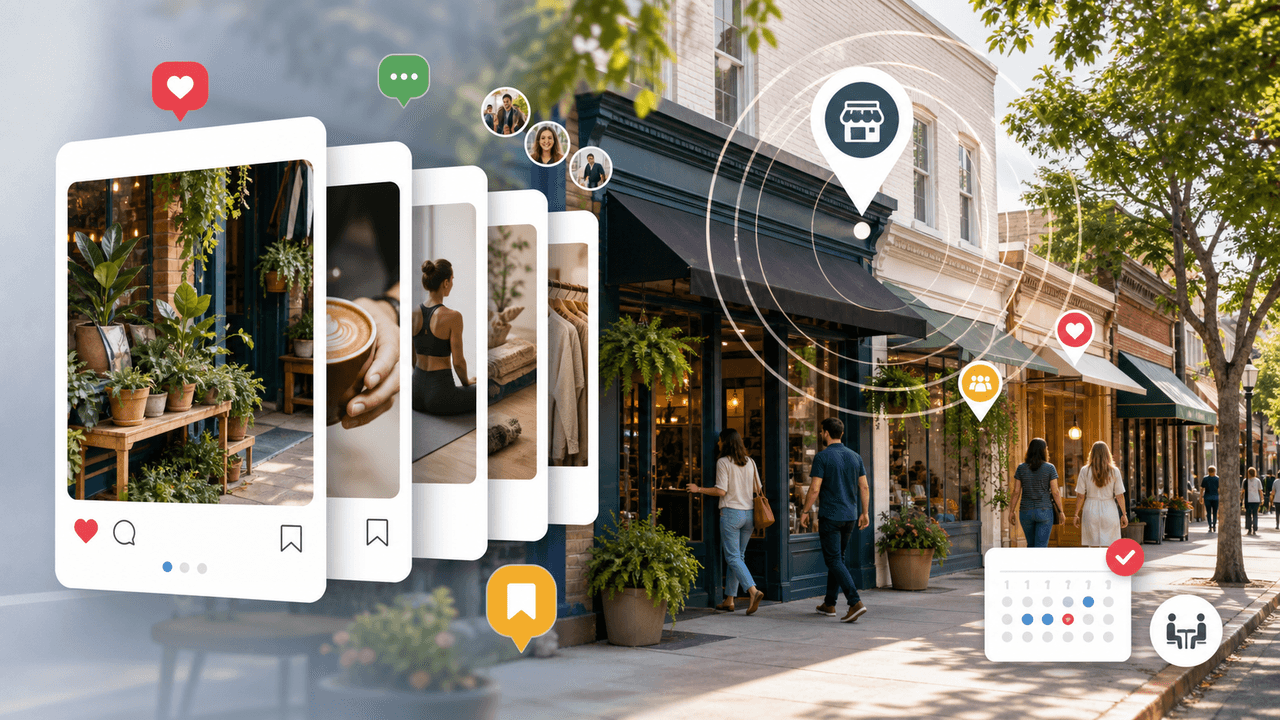
Local Business Instagram Carousels: Drive Foot Traffic Without Paid Ads
Local businesses do not need viral content. They need carousels that reach the right 5,000 people within a ten-mile radius. A local carousel strategy turns your expertise, your team, and your community presence into foot traffic without spending a dollar on ads.
Sources
- A Planning Guide for Making Temporary Events Accessible to People with Disabilities — ADA National Network
- ADA Requirements: Effective Communication — ADA.gov
- The Consumer Reviews and Testimonials Rule: Questions and Answers — Federal Trade Commission
- The FTC's Endorsement Guides: What People Are Asking — Federal Trade Commission
- Marketing and Sales — U.S. Small Business Administration
Written by
AttentionClaw
Editorial Team
Editorial context
Part of the Content Planning topic cluster. Last updated June 22, 2026.