Chapter 1
The direct answer: package romance with planning reality
A honeymoon travel advisor Instagram carousel should help couples narrow destination style, season, budget, passport timing, entry requirements, travel advisories, health preparation, and consultation next steps.
The U.S. Department of State tells travelers to check destination information and travel advisories, while CDC Travelers' Health provides destination-specific vaccine and medicine guidance. Those checks matter before couples fall in love with a visual itinerary.
The carousel should not promise risk-free travel, guarantee entry requirements, or treat destination photos as a substitute for current travel review.
Callout
Travel advisor rule
Sell the dream, but include the planning questions that protect the couple: passports, advisories, health prep, seasonality, and consultation scope.
Chapter 2
Build honeymoon posts from couple questions
Couples ask when to start planning, whether their passports are valid, which destinations fit the season, how much to budget, whether travel insurance is worth discussing, and what health preparation might apply.
Keep one intent per carousel. Do not combine honeymoon destination selection, family travel, group trips, cruises, visa rules, and destination weddings in one post.
Destination style and season.
Passport and validity review prompt.
Travel advisory check.
CDC destination health review.
Budget and trip length.
Resort, cruise, or itinerary fit.
Consultation CTA.
Chapter 3
Use an eight-slide honeymoon planning carousel
- 1
Slide 1: honeymoon hook
Open with a destination choice question.
- 2
Slide 2: travel style
Compare beach, city, adventure, wellness, cruise, or multi-stop styles.
- 3
Slide 3: timing
Explain season, weather, wedding date, and booking-window questions.
- 4
Slide 4: passport
Prompt couples to check passport validity and destination entry needs.
- 5
Slide 5: advisories
Tell couples to review State Department destination information.
- 6
Slide 6: health prep
Mention CDC destination pages and professional health advice when relevant.
- 7
Slide 7: advisor value
Show how the advisor compares options, logistics, suppliers, and backup plans.
- 8
Slide 8: CTA
Invite couples to book a honeymoon planning consultation.
Chapter 4
How AttentionClaw packages travel advisor content
AttentionClaw helps travel advisors turn itinerary notes, destination comparisons, passport prompts, advisory checks, supplier-approved images, and consultation CTAs into review-ready carousel drafts.
Templates can cover honeymoon planning, destination comparisons, travel checklist posts, cruise inquiries, luxury resort consults, group trips, and seasonal travel campaigns.
Chapter 5
Measure qualified planning inquiries
Track consultation clicks, destination quiz completions, saves, inquiry forms, and couples who arrive with passport and timing details ready.
A strong honeymoon carousel should create romantic interest and practical readiness at the same time.
Consultation clicks.
Destination quiz completions.
Inquiry forms.
Save rate.
Qualified trip briefs.
Chapter 6
Help couples self-identify their destination style before the call
One of the most practical things a honeymoon travel advisor carousel can do is help couples name their travel style before they reach out. Many couples have never had to articulate whether they want a relaxing beach stay, a cultural city itinerary, an adventure mix, or a remote private experience. A carousel that walks through four or five distinct honeymoon styles — each described in specific sensory and logistical terms — does discovery work on your behalf.
For each style, describe what a typical day looks like, what climate it requires, how far in advance it books up, and what visa or health prep is usually involved. Couples who read through and recognize themselves in one of the descriptions arrive at consultation already filtered and excited, which shortens the call and improves proposal accuracy.
Callout
Style slide format that works
Give each style a short label (not a branded name), three concrete 'a day looks like this' details, a best-season note, and a lead time alert. Avoid stock adjectives like 'romantic' or 'luxurious' — every honeymoon is romantic to the couple. Specific detail is what creates recognition.
Chapter 7
Build a passport and lead-time slide couples actually use
Passport validity is one of the most common reasons couples run into problems late in the planning process. A slide that explains the 'six months of validity beyond your return date' rule, and prompts couples to check now rather than during booking, prevents a real and frustrating problem. Pair that with a simple table showing rough lead times for different destination categories: domestic or short-haul flights, Caribbean or Mexico, Europe, and long-haul destinations that may require vaccines or entry documentation.
This kind of slide works because it is genuinely useful regardless of whether the couple books with you. Useful slides get saved. Saved posts reach couples who are in research mode, not yet talking to an advisor. That behavior pattern — save first, contact later — is common in high-consideration travel planning, which makes save rate a meaningful proxy for interest.
- 1
Prompt the passport check
Ask: 'Does each traveler have a passport valid for at least six months past your planned return date?' Add a note that passport renewals can take six to ten weeks during peak seasons.
- 2
Add a lead-time table
Show four destination tiers with recommended booking windows: domestic (two to four months), short-haul international (four to six months), Europe (six to nine months), and long-haul or complex itineraries (nine to twelve months or more).
- 3
Link to the consultation
End the slide with a direct CTA: 'Not sure where your destination falls? Book a planning call and I'll walk you through timing.' This converts curiosity into a concrete next step.
Chapter 8
Use carousels to normalize the budget conversation early
Many couples delay asking about budget because they do not know what a honeymoon should cost, and they worry about sounding uninformed. A carousel that breaks down what drives honeymoon cost — destination flight length, accommodation category, shoulder versus peak season, all-inclusive versus build-your-own — removes the awkwardness by making budget a practical planning variable rather than a judgment.
The most effective budget carousels present ranges across three or four scenarios without implying any is the right choice. For example: a seven-night Caribbean all-inclusive for two, a ten-night Europe city-and-coast trip, or a long-haul Southeast Asia itinerary. Each scenario notes the variables that move the number up or down. This helps couples enter the consultation with a realistic anchor, which means less time correcting expectations and more time building the actual itinerary.
Avoid specific dollar figures in posts unless you are confident they will stay accurate — costs change with season, currency, and inventory. Use descriptive ranges or percentage-based framing ('flight length is often the biggest single cost driver for long-haul destinations') instead of numbers that date quickly.
Chapter 9
A worked destination-style exercise couples can do before the call
Many couples arrive at a travel advisor consultation with a destination in mind but without a clear understanding of why they chose it. They may have seen it on social media, or one partner prefers the beach while the other prefers exploring cities. A carousel that walks couples through a quick self-assessment of their travel style helps them articulate what they actually want, which makes the advisory conversation more productive.
A four-question exercise works well in carousel format. Each slide poses one question: Do you want to unplug completely or stay somewhat connected? Are you more energized by a new place every day or the same base for a week? Does heat and humidity affect your comfort significantly? Is international travel something you have done before, or is this your first time outside your home region? The final slide summarizes what each combination of answers tends to suggest about destination style — not a specific recommendation, but a direction.
This format earns saves because couples share it with each other before the consultation. It also positions the advisor as someone who helps couples think, not just someone who books flights. That is a meaningful distinction in a market where self-booking tools are widely available.
- 1
Question 1: Rest vs. explore
Do you want a base you barely leave, or are you energized by a new activity or location each day? This one question often separates resort-style honeymoons from itinerary-driven ones.
- 2
Question 2: Climate comfort
How does heat and humidity affect your enjoyment of outdoor activities? This filters destination options by season more precisely than a simple map-based preference.
- 3
Question 3: Connection or disconnection
Is staying reachable for work or family a concern, or do you want a destination that makes unplugging feel natural? This affects both destination and accommodation choices.
- 4
Question 4: Passport and entry confidence
Have you traveled internationally before? Is there a region or language context where you feel more comfortable? This shapes the complexity of itinerary the advisor should build.
Chapter 10
Common mistakes couples make when planning a honeymoon without an advisor
The most common planning mistake is optimizing for the destination without planning around the season. A beach destination that looks idyllic in photos may fall during peak hurricane or monsoon season depending on the wedding date. A carousel that explains how to check seasonal weather patterns — and that this check should happen before booking, not after — is practical information that demonstrates why working with an advisor adds value.
A second common mistake is underestimating passport and travel document lead times. Renewing a passport under standard processing can take weeks longer than couples expect, and some destinations require a passport valid for six months beyond the travel date. A couple who books a honeymoon four months before the wedding without checking passport validity can face significant stress. A carousel slide that explains the validity check and renewal timeline is consistently useful regardless of destination.
A third mistake is building an itinerary that is too full. Many couples plan honeymoon itineraries as if they have unlimited energy, scheduling day trips and activities every day. After a wedding weekend, most couples want rest and flexibility. A carousel that normalizes a slower itinerary — perhaps one activity per day, with free afternoons — helps couples plan realistically and arrive with expectations that the experience can meet.
Chapter 11
How to explain the value of using a travel advisor without sounding defensive
A honeymoon travel advisor carousel that tries to explain why an advisor is better than booking directly often comes across as defensive. A more effective approach is showing what the advisor handles — the details couples do not know to check, the calls made when something changes, the supplier relationships that affect room placement and small surprises — rather than arguing against self-booking.
Concrete examples work better than abstract value propositions. A slide that says 'When a resort category is overbooked, your advisor makes a call. When you booked directly, you get the overflow room' is more memorable than 'We have access to supplier relationships.' Specific scenarios that most couples have not considered — travel disruptions, honeymoon suite confirmation problems, late itinerary changes — make the advisory value tangible.
The goal is not to make self-booking sound dangerous, but to make the advisory relationship feel like a reasonable choice for a trip this important. Couples who have never used a travel advisor often do not know what to ask. A carousel that shows what an advisor handles without dramatizing the risks positions the consultation as a no-pressure conversation worth having.
Next step
Turn honeymoon planning questions into inquiry carousels
Use AttentionClaw to package destination comparisons, passport prompts, travel-health checks, and consultation CTAs into review-ready carousel drafts.
Common Questions
FAQ
More Reading
Keep reading
9-chapter read
Wedding Venue Tour Instagram Carousels
Wedding venue tour carousels should help couples understand spaces, dates, guest count, catering, weather plans, contract questions, and how to inquire without hiding key logistics.
9-chapter read
Boat Rental Safety Checklist Carousels: Turn Trip Questions Into Bookings
Boat rental safety checklist carousels should explain booking prep, operator requirements, weather, life jackets, route limits, and arrival instructions without replacing local safety rules.
9-chapter read
Event Vendor Collaboration Instagram Carousels: Sell the Full Experience
Event vendor collaboration carousels should show the full event experience, credit partners accurately, protect client privacy, and route viewers to the right booking CTA.
8-chapter read
Florist Wedding Consultation TikTok Slideshows: Turn Inspiration Into Inquiries
Wedding florist slideshows should help couples move from inspiration to inquiry by explaining style, seasonality, budget factors, consultation prep, and the exact details the florist needs before quoting.
9-chapter read
Hotel Weekend Package TikTok Slideshows: Sell the Itinerary, Not Just the Room
Hotel weekend package slideshows work when they sell a short itinerary: arrival, room, food, local activity, amenity, and booking action. The package should feel easy to imagine and easy to book.
7-chapter read
Hotel Amenity Instagram Carousel Content: Turn Features Into Bookings
Hotel amenity carousels work when they translate features into trip decisions: sleep quality, convenience, accessibility, local access, group needs, and booking confidence. The post should answer what the guest can expect and why it matters for this stay.
8-chapter read
Carousel Slide Order That Converts: Hook, Proof, Offer, CTA
A converting carousel usually follows a clear order: hook, context, problem, solution or product, proof, objection handling, offer, and CTA. The exact slide count can change, but the reader should never wonder why the next slide exists.
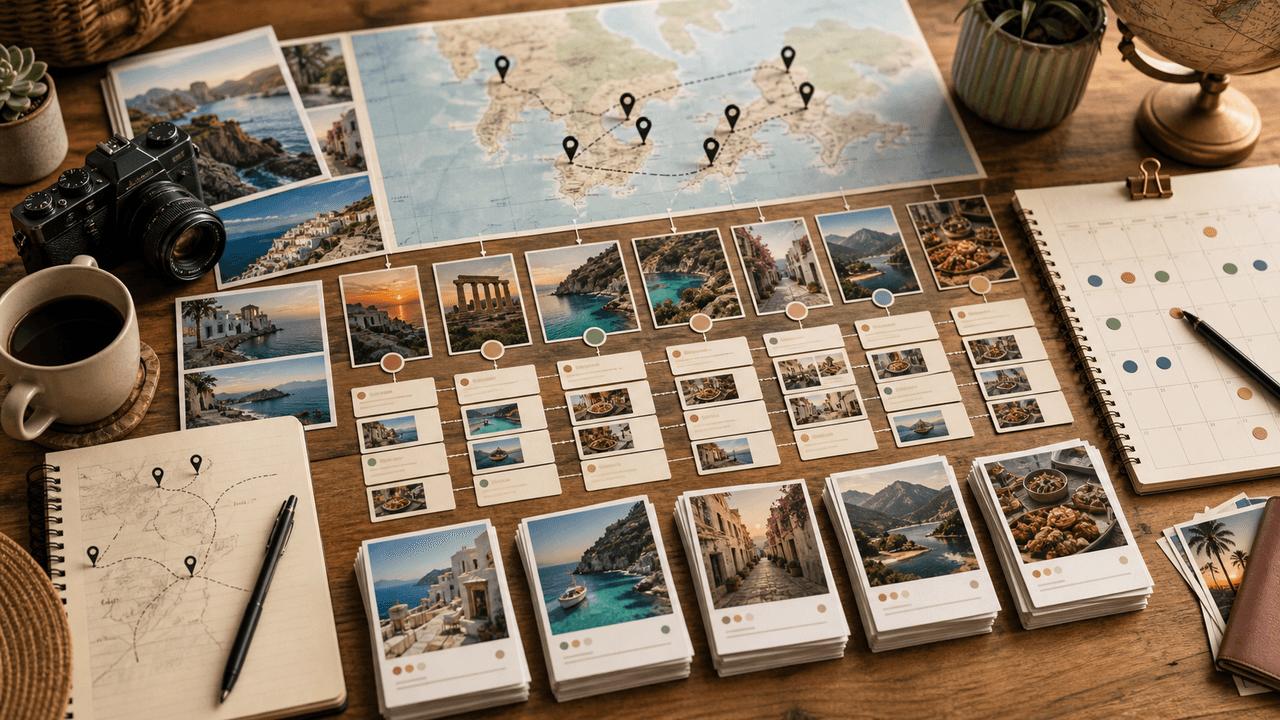
Travel Content Carousel System: Turn Every Trip Into 30 Instagram Posts
Most travel creators come home from a trip with hundreds of photos and post five of them. A content repurposing system turns every trip into 30 or more carousels covering itineraries, tips, photo essays, and guides — extending the content value of each journey for weeks.
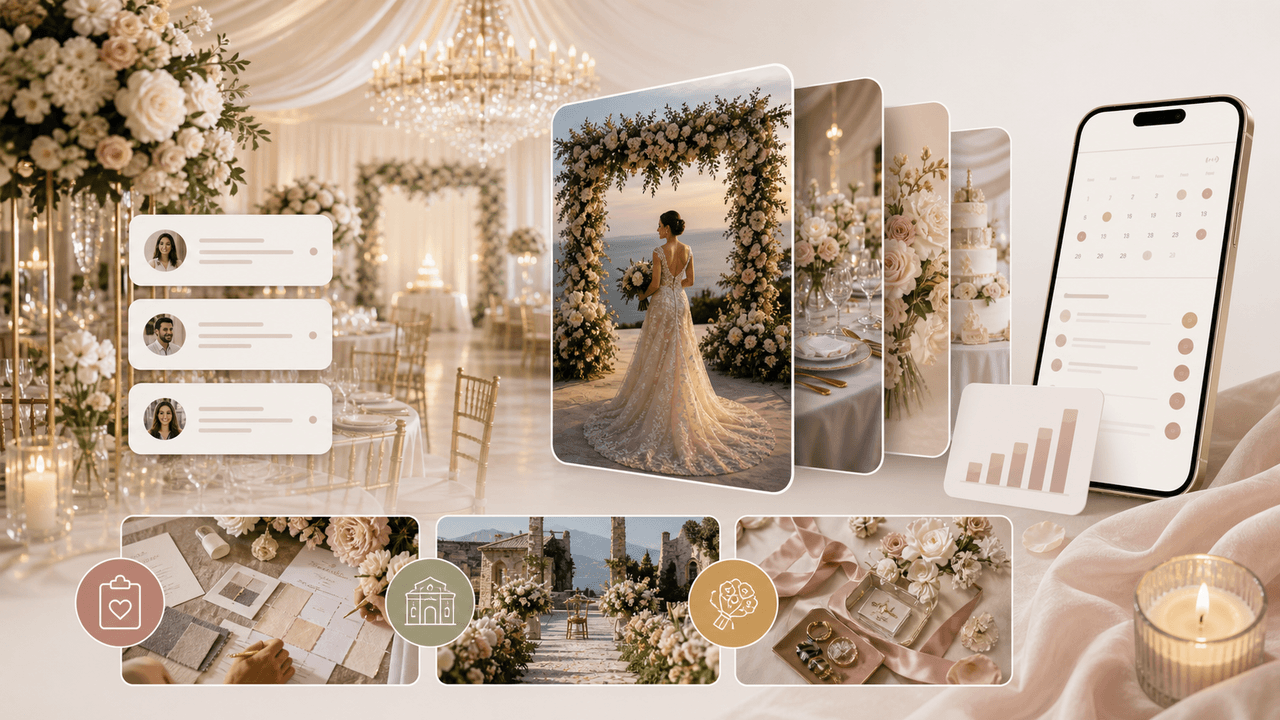
Wedding Business Carousel Marketing: The Instagram Strategy for Venues and Planners
Couples planning a wedding save hundreds of Instagram posts before contacting a single vendor. Wedding businesses that create saveable, shareable carousels position themselves at the top of that consideration list months before the inquiry arrives.
Sources
- International Travel — U.S. Department of State
- Travel Advisories — U.S. Department of State
- Travelers' Health — Centers for Disease Control and Prevention
- Destinations — Centers for Disease Control and Prevention Travelers' Health
- About Carousel Ads — Meta Business Help Center
Written by
AttentionClaw
Editorial Team
Editorial context
Part of the Carousel Creation topic cluster. Last updated June 22, 2026.