Chapter 1
The direct answer: turn preparation into visible professionalism
A photographer client prep carousel should tell clients what to wear, when to arrive, how location works, what to bring, how children or pets are handled, what happens after the session, and how image usage or sharing works. The goal is fewer surprises and better images.
Prep content is also a lead-generation asset. A family seeing a calm 'what to expect at a newborn session' carousel can infer that the photographer knows how to run the day. A brand founder seeing a shot-list prep guide understands that the photographer will not improvise their entire campaign on arrival.
Photographers should also be clear about image rights and permission. The U.S. Copyright Office explains that copyright protection exists when a photograph is fixed, and it recommends registration for additional legal benefits. Client prep content should not become legal advice, but it can remind clients to review usage and sharing terms in their agreement.
Callout
Prep content rule
A prep post should answer a booked client's question and prove to future clients that the photographer has a professional process.
Chapter 2
Use one prep framework for every session type
The strongest prep carousels follow a repeatable structure: goal, timing, wardrobe, location, people, permissions, delivery, and CTA. That structure works for portraits, mini sessions, newborns, brand shoots, weddings, events, and product photography.
The details change by session. A family session needs snack, nap, and child-comfort notes. A brand session needs shot list, props, usage goals, and location approvals. A wedding prep post needs timeline, details box, family photo list, and vendor coordination.
Using one framework makes the photographer's content library easier to produce and easier for clients to navigate.
- 1
Goal
What result is this session designed to create?
- 2
Timing
Arrival time, session length, buffer, light, and late-arrival consequences.
- 3
Wardrobe or styling
Colors, textures, changes, comfort, grooming, and what to avoid.
- 4
Location
Parking, meeting point, weather plan, permits, and accessibility considerations.
- 5
People and props
Who attends, what to bring, what not to bring, and how pets or children are handled.
- 6
Permissions and usage
Model releases, social sharing, commercial usage, and client privacy preferences.
- 7
Delivery
Proofing, gallery timeline, download rules, print options, and next steps.
Chapter 3
Client prep carousel ideas by photography niche
Prep content should be specific to the type of client. A generic 'what to wear' carousel can help, but niche-specific prep gets saved and shared because it feels tailored.
Use Google Business Profile photos and updates to support local discovery. Google says businesses can add photos and videos of storefronts, products, and services to make profiles more attractive to customers. For photographers, this can include studio photos, location examples, behind-the-scenes setup, and portfolio previews where usage rights allow.
Each prep carousel can also become a client email. That makes the work durable beyond social media.
Family sessions: naps, snacks, outfit changes, child comfort, backup plan.
Newborn sessions: feeding timing, room temperature, parent expectations, safety boundaries.
Brand sessions: shot list, props, usage goals, colors, team availability, location permissions.
Headshots: clothing fit, glasses glare, grooming, expression coaching, delivery timeline.
Wedding details: rings, invitations, perfume, shoes, timeline, family list.
Mini sessions: arrival window, outfit simplicity, child expectations, gallery delivery.
Product photography: product prep, packaging, shot list, usage, brand references.
Event photography: run of show, VIP list, venue access, lighting, deliverables.
Chapter 4
Include rights, reviews, and permission carefully
Client prep content should not bury rights and permission topics. If images may be used in a portfolio, ad, vendor submission, gallery, or social post, the client should understand how permission is handled through the agreement.
FTC endorsement guidance also matters if the photographer uses client reviews, influencer collaborations, or styled-shoot vendor praise. Endorsements should be honest and not misleading, and material connections should be disclosed where relevant.
A simple prep slide can say: 'We will confirm your sharing preferences before posting images publicly.' That creates trust and reduces awkward follow-up later.
Clarify social sharing preferences.
Explain commercial usage separately from personal usage.
Credit collaborators accurately.
Keep review quotes accurate.
Avoid implying every session produces identical results.
Use client-approved images for prep examples.
Chapter 5
How AttentionClaw helps photographers produce prep content
AttentionClaw helps photographers turn session prep notes into repeatable carousel and slideshow assets. Build templates for family prep, brand prep, headshot prep, mini-session prep, and wedding prep.
This saves time because the photographer can reuse the same framework while changing examples, photos, and logistics by session type. The content becomes both a marketing library and a client education system.
Start from the client email you already send. Turn that into a public carousel, then keep the longer version as the booked-client guide.
Callout
Prep workflow
Collect client questions, draft prep checklist, confirm rights language, generate carousel in AttentionClaw, reuse in email and booking materials.
Chapter 6
Measure fewer questions and better session readiness
Client prep posts should be measured by saved posts, fewer repetitive DMs, better on-time arrivals, better wardrobe fit, and clients who mention that the guide helped them feel ready.
Track the operational effect. If mini-session clients arrive late despite the prep post, the timing slide needs to be clearer. If brand clients forget props, the shot-list prep needs to move earlier in the booking process.
Use each session season as feedback. The next prep carousel should answer the question that created the most friction this time.
Track saves on prep checklists.
Track DMs by repeated question.
Track late arrivals and missed details.
Ask clients what helped before the session.
Revise prep guides after each busy season.
Chapter 7
Customize prep content for each session type rather than using one generic guide
A generic 'what to wear and when to arrive' carousel covers the basics but misses the specific concerns that vary by session type. A family portrait session has different prep priorities than an engagement session, a newborn session, or a brand headshot session. Clients booking a family session are managing multiple schedules, outfit coordination, and children's nap schedules. Brand clients are thinking about wardrobe consistency across multiple shots. Newborn families are managing exhaustion and an unpredictable schedule.
Creating one prep carousel per session type — even if it takes an extra hour to build each — dramatically reduces the intake burden because it answers the right questions for the right client. Use a template structure that shares the same skeleton (timing, wardrobe, location, delivery) but swaps in the session-specific guidance for each section. This is also a stronger content strategy: platform algorithms favor specific, useful posts over generic advice.
Chapter 8
Give wardrobe guidance with visual principles, not outfit prescriptions
Telling clients to 'wear coordinating colors' is too vague, and prescribing specific outfits crosses into a territory most clients find unhelpful. The most effective wardrobe guidance focuses on visual principles that clients can apply to what they already own: stick to one neutral base and one accent, avoid logos and text, choose similar visual weight across the group, and consider how colors will read on the background of your chosen location.
A slide that shows three color palette examples — 'earthy tones work in natural settings,' 'neutrals with one bright accent photograph well in urban environments,' 'all-white or all-black groups need careful location planning to avoid blending into the background' — teaches the principle without shopping for the client. Include a note about what not to wear that is specific enough to be useful: matching-matchy same-outfit coordination, neon or fluorescent colors in outdoor sessions, patterns that conflict across group members.
Callout
The wardrobe question that saves the most DMs
The single most common DM before a session is 'I bought this outfit — does it work?' Save yourself that back-and-forth by adding a slide that says: 'If you are unsure about an outfit, send a photo to [your contact method] at least one week before your session. I'll let you know if anything might be a challenge.' This sets a response window and gets the question answered before the day of.
Next step
Turn client prep notes into polished session guides
AttentionClaw helps photographers convert prep emails, session checklists, and approved images into branded carousels and TikTok slideshows.
Common Questions
FAQ
More Reading
Keep reading
11-chapter read
Newborn Photography Prep Instagram Carousels
Newborn photography prep carousels should explain timing, feeding, wardrobe, safety boundaries, parent expectations, image permissions, and booking CTAs without turning props into sleep advice.
9-chapter read
Wedding Photographer Package Instagram Carousels: Explain Value Before the Inquiry
Wedding photographer package carousels should explain coverage hours, gallery delivery, engagement sessions, timeline needs, usage rights, and inquiry CTAs with permissioned client imagery.
9-chapter read
Home Organizer Before-and-After Instagram Carousels: Show Systems, Not Just Bins
Home organizer before-and-after carousels should show the system, the client problem, the maintenance plan, and the consultation path while protecting household privacy and avoiding unrealistic transformation claims.
7-chapter read
Photographer Image Usage Social Content: Explain Rights, Credit, and Sharing
Photographer image usage posts help clients understand copyright, sharing permission, credit, gallery downloads, print rights, vendor tagging, and testimonial disclosure. The best posts protect the photographer's work while making client sharing feel easy and respectful.
8-chapter read
Carousel Slide Order That Converts: Hook, Proof, Offer, CTA
A converting carousel usually follows a clear order: hook, context, problem, solution or product, proof, objection handling, offer, and CTA. The exact slide count can change, but the reader should never wonder why the next slide exists.
7-chapter read
Photography Mini Session Social Content Plan: Fill Seasonal Booking Slots
Mini session content should sell a limited booking window with clear dates, visual examples, package details, location context, preparation guidance, and a smooth booking path. The best plan launches the offer as a sequence, not a single availability post.

How to Batch Instagram Carousels and Save 10+ Hours Every Week
Most creators spend 2-3 hours per carousel because they restart from scratch every time. A batch production system cuts that to 15 minutes per post.

Photographer Portfolio Carousels: Get Booked Through Instagram
A grid of pretty photos does not get photographers booked. Carousels that showcase process, demonstrate expertise, and build trust convert scrollers into paying clients who already know your value before they send the inquiry.

Local Business Instagram Carousels: Drive Foot Traffic Without Paid Ads
Local businesses do not need viral content. They need carousels that reach the right 5,000 people within a ten-mile radius. A local carousel strategy turns your expertise, your team, and your community presence into foot traffic without spending a dollar on ads.
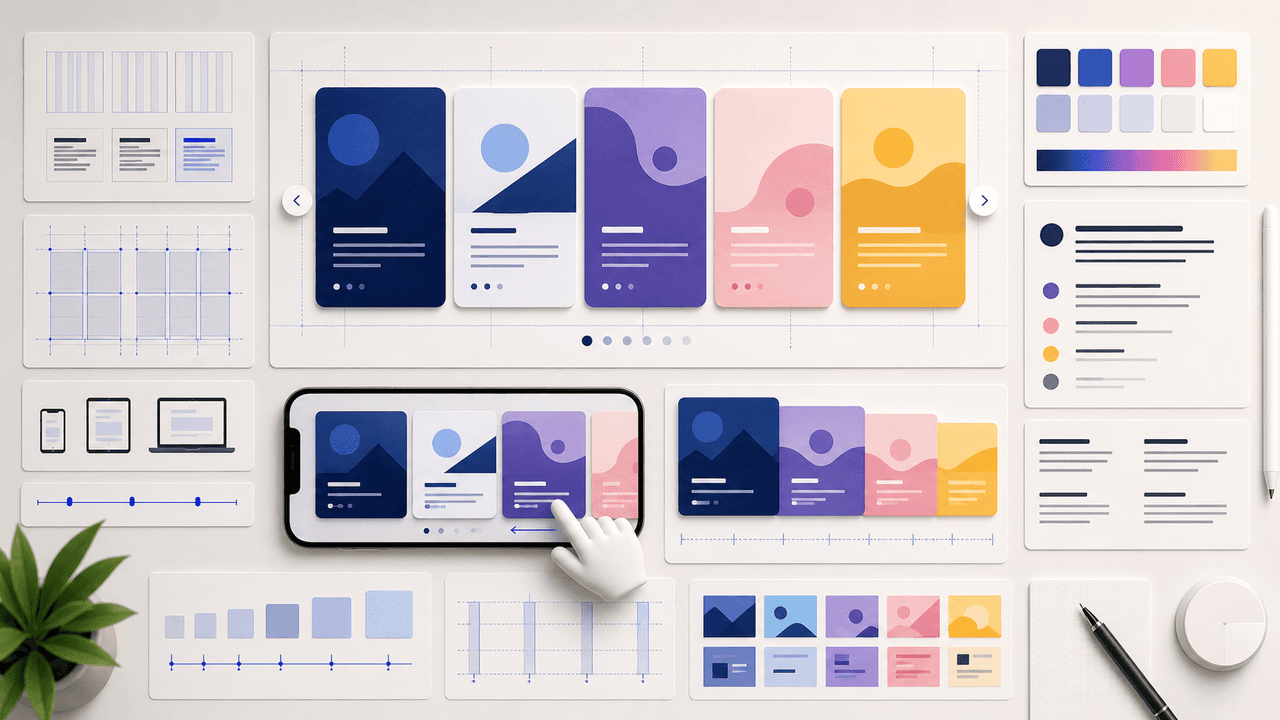
Carousel Design Principles: The Visual Rules That Get More Swipes
Great carousel design is not about being a graphic designer. It is about following a set of visual rules that make your content readable, recognizable, and swipeable. This guide breaks down each rule with concrete specifications you can apply immediately.
Sources
- What Photographers Should Know about Copyright — U.S. Copyright Office
- Manage your Business Profile photos & videos — Google Business Profile Help
- Create & manage posts on your Business Profile — Google Business Profile Help
- FTC's Endorsement Guides: What People Are Asking — Federal Trade Commission
- 16 CFR Part 255 - Guides Concerning Use of Endorsements and Testimonials in Advertising — Electronic Code of Federal Regulations
Written by
AttentionClaw
Editorial Team
Editorial context
Part of the Carousel Creation topic cluster. Last updated June 22, 2026.