Chapter 1
The short answer: write hooks around buyer intent
Instagram carousel ad hooks should qualify the buyer and create a reason to swipe. Strong formulas include `Before you buy X`, `If you struggle with Y`, `The mistake costing you Z`, `Which option is right for you?`, `What changes after using X`, and `Still deciding because of Y?`
Meta carousel ads can use multiple cards with headlines, descriptions, links, and CTAs. That makes the first card a promise for the rest of the sequence. If the hook creates curiosity that the landing page cannot continue, the campaign will attract low-quality clicks.
Use hook formulas as test families. Compare problem hooks against outcome hooks, proof hooks, comparison hooks, and objection hooks while keeping the offer and destination stable.
Problem hook: qualifies pain.
Outcome hook: qualifies desire.
Comparison hook: qualifies evaluators.
Proof hook: qualifies skeptics.
Objection hook: qualifies warm buyers.
Offer hook: qualifies people ready for a specific next step.
Callout
Hook rule
A good carousel hook should make the right person swipe and the wrong person self-select out.
Chapter 2
Six hook formulas to test
These formulas work because they map to different buyer states. Do not test ten hooks that all express the same idea. Test families that represent different reasons someone might care.
For clean testing, keep the middle slides, CTA, and destination stable. Meta A/B testing guidance supports changing variables deliberately; apply the same discipline to first-card tests.
Each formula should be backed by a matching slide sequence. A proof hook needs proof early. A comparison hook needs comparison. An offer hook needs visible offer terms.
- 1
Before you buy X
Use for ecommerce, SaaS, or apps where buyers compare options. Example: `Before you buy another content tool, check this workflow.`
- 2
If you struggle with Y
Use for problem-aware audiences. Example: `If launch content takes your whole Sunday, try this system.`
- 3
The mistake costing you Z
Use when the cost of inaction is concrete. Example: `The carousel mistake costing your product page qualified clicks.`
- 4
Which option is right for you?
Use for comparison, bundles, plans, variants, or feature choices.
- 5
What changes after X
Use for outcome-led proof. Example: `What changes after your first AI-generated content batch.`
- 6
Still deciding because of Y?
Use for retargeting objections like price, setup, shipping, fit, or trust.
Chapter 3
Hook examples by business type
Ecommerce hooks should connect to product inspection and buying moments. App hooks should connect to first successful action. SaaS hooks should connect to workflow pain and next-step offers.
Do not use the same hook language for every vertical. A skincare buyer, app founder, SaaS operator, and agency owner all need different proof and different CTAs after the swipe.
The hook should also match the landing-page path. A hook about bundle savings should land on bundle logic. A hook about setup simplicity should land near setup proof.
Ecommerce: `Before you buy another travel kit, check the bottle sizes.`
Ecommerce retargeting: `Still unsure about fit? Here are the exact dimensions.`
App: `The first 3 minutes after installing should look like this.`
SaaS: `If your team still names creative manually, use this test map.`
Agency: `Client approvals break when this step is missing.`
Offer: `Bundle or discount? Use this rule before launching ads.`
Chapter 4
How to test hook formulas
Start with three hook families for the same offer: problem, outcome, and proof. Keep the middle cards and destination identical. If the winner is clear, create adjacent hooks inside the winning family.
Use UTMs or creative names that identify the hook family. Google Analytics campaign URL guidance supports tagging campaign traffic, and `utm_content` is the practical place to preserve hook identity.
Judge hooks by qualified action. The hook with the most clicks may not be the hook with the most purchases, installs, demos, or trial starts.
Name hook variants clearly: `problem_hook_v1`, `proof_hook_v1`, `comparison_hook_v1`.
Keep offer and landing page stable for the first test.
Measure page engagement and conversion, not only CTR.
Promote winning hooks into landing-page headlines and retargeting content.
Retire hooks that create curiosity without qualified action.
Chapter 5
Map each hook to a matching carousel sequence
A hook formula is only the first card. The rest of the carousel has to pay it off. A problem hook should move quickly into proof that the problem is real. An outcome hook should show the path to the result. A comparison hook should make the comparison visible instead of hiding it in the caption.
This matters because Meta carousel ads can contain multiple cards, links, headlines, and CTAs. If the first card promises one idea and the later cards drift into a general product pitch, the sequence creates friction. The viewer swiped for a specific reason and should keep seeing that reason developed.
Build small sequence templates for each hook family. That lets the team test hooks without rewriting the entire ad from scratch, and it keeps the learning clean enough to use in landing pages and retargeting.
- 1
Problem hook sequence
Problem, consequence, product path, proof, CTA.
- 2
Outcome hook sequence
Desired result, before state, how it works, proof, CTA.
- 3
Comparison hook sequence
Choice, option A, option B, decision rule, offer.
- 4
Objection hook sequence
Concern, answer, evidence, risk reversal, next action.
Chapter 6
Use different formulas for cold and warm audiences
Cold audiences usually need a hook that clarifies relevance fast: problem, outcome, category comparison, or useful mistake. Warm audiences have already seen the brand or product, so the hook should answer the next hesitation: price, proof, setup, fit, shipping, compatibility, or whether the offer is still available.
Retargeting hooks should not repeat the broad prospecting pitch. If someone visited a product page but did not buy, use the carousel to show dimensions, reviews, use cases, bundle logic, or risk reversal. If someone started a trial but did not activate, use the carousel to show the first successful workflow.
Separate hook libraries by audience stage. This keeps the team from judging a warm objection hook against a cold awareness hook and calling one weak when they were designed for different jobs.
Cold prospecting: problem, outcome, comparison, and mistake hooks.
Warm retargeting: objection, proof, offer, and next-step hooks.
Existing customers: upgrade, use-case, and habit-building hooks.
Landing pages should mirror the hook stage.
Creative naming should include audience stage and hook family.
Chapter 7
Hook mistakes to avoid
The first mistake is writing hooks that are clever but unqualified. Broad curiosity can inflate clicks while lowering conversion quality.
The second mistake is using the same hook for cold and warm audiences. Retargeting hooks should answer the next hesitation, not restart the broad pitch.
The third mistake is writing hooks the destination cannot support. A hook about proof needs proof on the page.
Do not lead with generic hype.
Do not promise a result the product or page cannot prove.
Do not test tiny wording differences before testing hook families.
Do not use vague audience labels.
Do not ignore the final CTA when judging hook quality.
Callout
How AttentionClaw supports hook testing
AttentionClaw helps teams generate first-card hook variants by family, then keep the rest of the carousel stable enough to learn what actually works.
Next step
Generate hook variants that qualify buyers
AttentionClaw helps teams create carousel hook variants by buyer intent, then keep offers and landing pages aligned for cleaner tests.
Common Questions
FAQ
More Reading
Keep reading
8-chapter read
Carousel Slide Order That Converts: Hook, Proof, Offer, CTA
A converting carousel usually follows a clear order: hook, context, problem, solution or product, proof, objection handling, offer, and CTA. The exact slide count can change, but the reader should never wonder why the next slide exists.
8-chapter read
Creative Testing Framework for Carousel Ads
Carousel ad creative testing should isolate one variable at a time: first card, proof, offer, slide order, CTA, or landing page. Changing everything at once can find a winner, but it will not teach why it won.
7-chapter read
Instagram Carousel Retargeting Creative Framework
Instagram carousel retargeting creative should answer the next objection after someone already showed interest. Use proof, comparison, FAQ, offer, setup, or product-detail sequences instead of repeating the cold hook.
7-chapter read
Paid Social Creative Fatigue Checklist for Carousel and Slideshow Ads
Creative fatigue is not solved by making random new ads. Diagnose whether the audience is tired of the hook, product angle, proof, offer, format, or landing-page promise, then refresh the specific part that has gone stale.
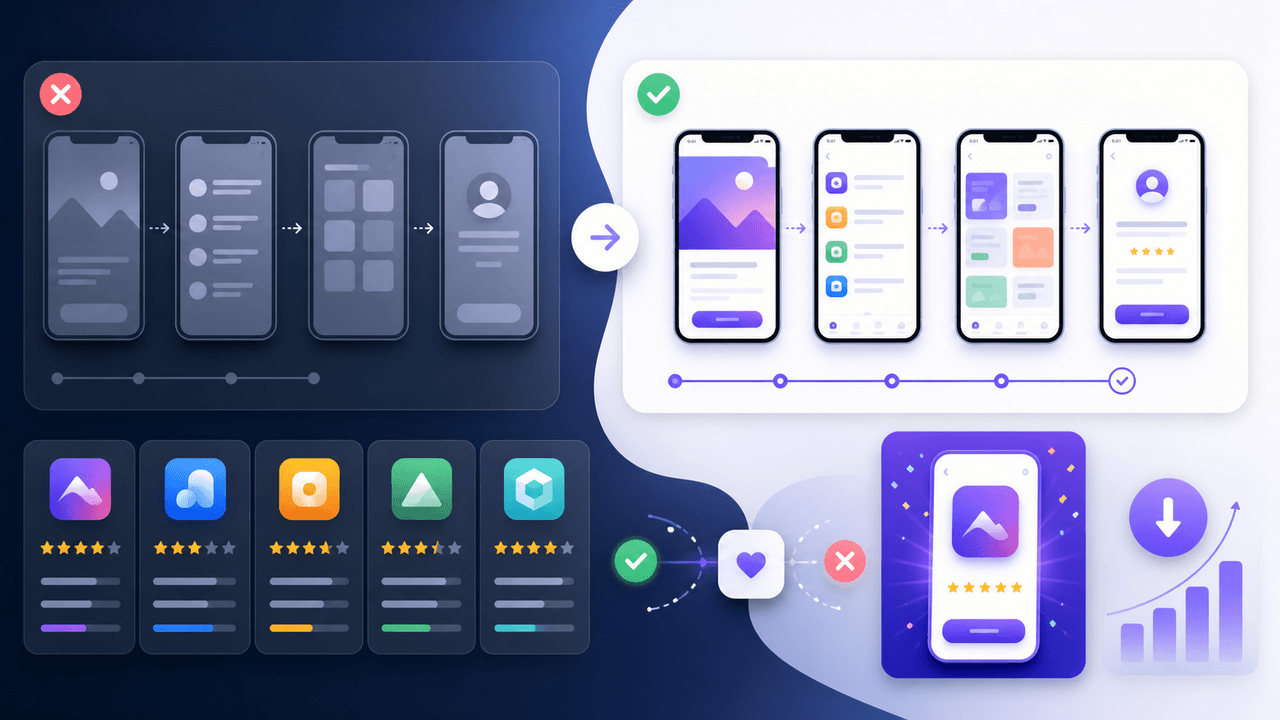
How to Write App Comparison Carousels That Win Users From Competitors
Comparison carousels are the most direct way to win users from competitors. This guide covers hooks, slide structures, and ethical framing techniques that position your app as the obvious choice without sounding desperate or dishonest.
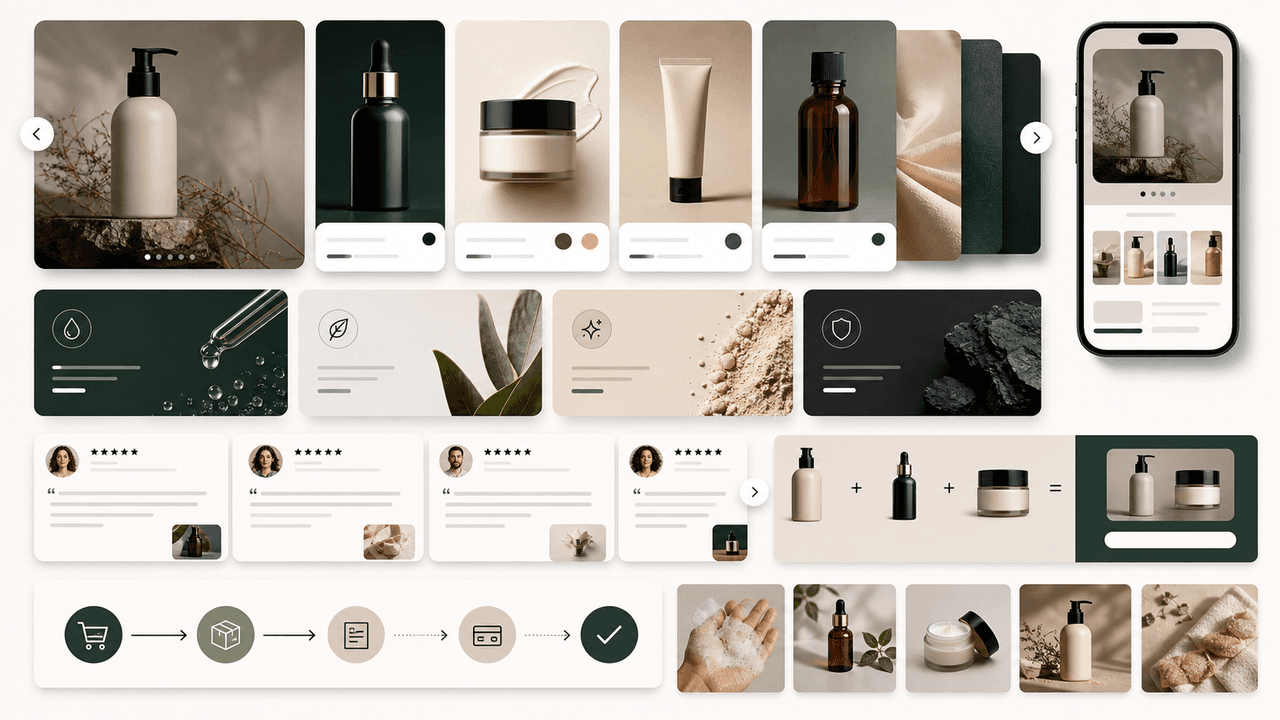
Four Product Carousel Formats Built Around Evidence
The best ecommerce carousel template depends on the buyer question and the evidence available. These four formats organize approved product details, media, comparison facts, bundle contents, and use cases into reviewable slide sequences without promising that a template will generate sales.
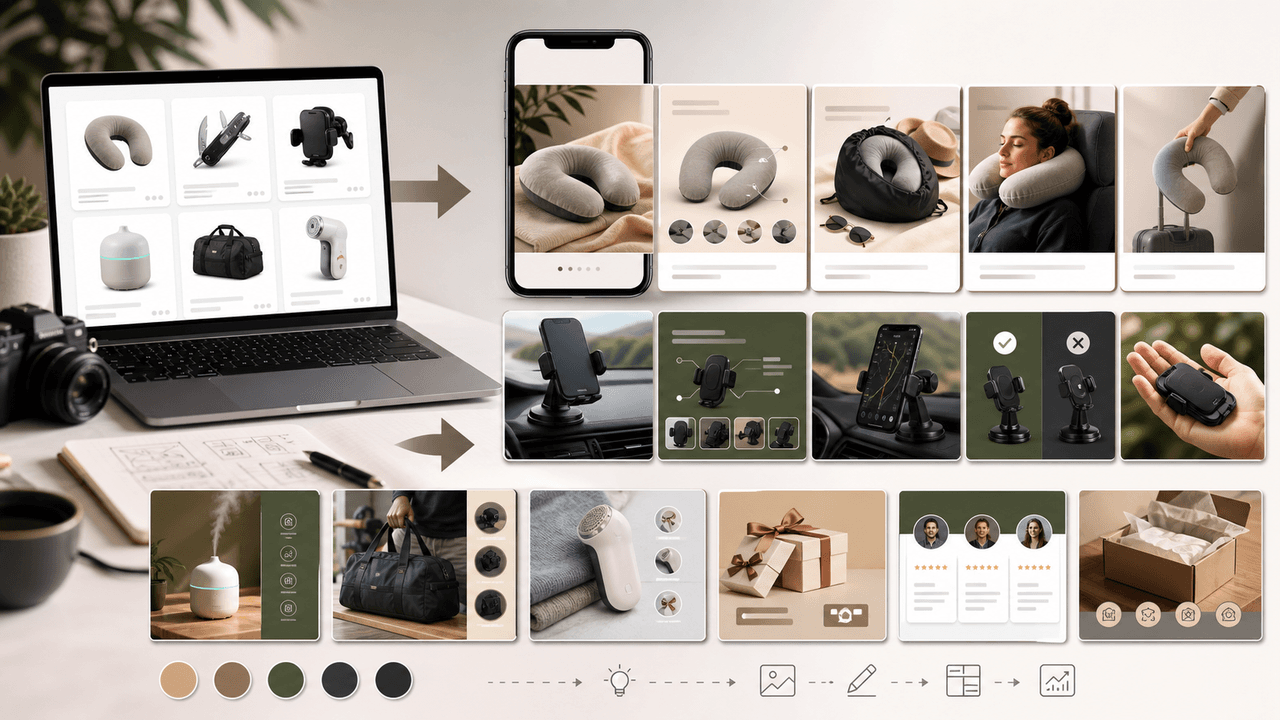
Instagram Carousels for Dropshipping: Content Strategy Without Product Photos
Dropshippers face a unique content challenge: they need to sell products they have never physically touched. This guide shows how to create effective Instagram carousels using supplier images, UGC, and design-forward formats that convert without custom photography.

B2B Carousel Content That Generates Leads (Not Just Impressions)
Most B2B carousels generate impressions but zero leads because they are built for engagement, not conversion. This guide shows you how to design every slide with lead generation as the end goal.

Thought Leadership Carousels for Consultants: Position Yourself as the Expert
Consultants sell expertise, and Instagram carousels are the best format for demonstrating it at scale. This guide gives you the hooks, structures, and content system to build thought leadership that attracts high-value clients without dumbing down your insights.

Write carousel copy as one connected argument
Good carousel copy lets a reader understand one argument without guessing what connects the slides. This guide covers hooks, claim-proof editing, continuity, legibility, and a complete before-and-after example.
Sources
- About Carousel Ads — Meta Business Help Center
- About A/B Testing — Meta Business Help Center
- URL builders: Collect campaign data with custom URLs — Google Analytics Help
- Search ads and the importance of landing page navigation — Google Ads & Commerce Blog
Written by
AttentionClaw
Editorial Team
Editorial context
Part of the Hooks & Captions topic cluster. Last updated June 22, 2026.