Chapter 1
The direct answer: show the workday, not just the room
A coworking space tour Instagram carousel should show the full member workday: arrival, desk options, phone rooms, meeting rooms, amenities, accessibility, community norms, and how to book a tour or trial pass.
GSA workplace resources and CDC ventilation resources make it reasonable to discuss workplace setup, indoor air, access, and operational details in a practical way. Meta carousel guidance supports sequencing multiple spaces in one post.
The post should not imply every desk or meeting room is always available unless availability is actually current.
Callout
Coworking content rule
Sell the workday experience with concrete spaces, policies, and trial-visit next steps.
Chapter 2
Build carousels around member decision questions
Coworking prospects compare focus areas, call booths, meeting rooms, commute, parking, accessibility, community, events, kitchen, security, pricing, and guest policies.
Each carousel should answer one decision. A meeting room tour should not also explain every membership tier and community event.
Use bright, inspectable photos of the real space. Avoid stock-like empty corners that do not help prospects evaluate the workspace.
One-day trial pass tour.
Focus desk versus hot desk explainer.
Phone booth and call-room carousel.
Meeting room booking walkthrough.
Amenities and kitchen tour.
Accessibility and arrival details.
Community events without vague hype.
Membership tier comparison.
Chapter 3
Use an eight-slide coworking tour carousel
The sequence should make the prospect feel oriented before they visit.
Review pricing, availability, access, and accessibility claims before posting.
- 1
Slide 1: member need
Open with the workday use case.
- 2
Slide 2: arrival
Show entrance, access, parking, transit, or reception.
- 3
Slide 3: desk zone
Show focus work or hot desk area.
- 4
Slide 4: calls
Show phone booths or quiet-call expectations.
- 5
Slide 5: meetings
Show meeting rooms and booking path.
- 6
Slide 6: amenities
Show kitchen, lockers, print, coffee, or other real amenities.
- 7
Slide 7: fit
Name who this membership or pass is best for.
- 8
Slide 8: CTA
Book a tour, claim a day pass, or ask about membership.
Chapter 4
Make operational details visible
Coworking content gets stronger when it shows details: outlet access, quiet areas, guest policy, booking screens, access hours, room capacity, and arrival instructions.
Avoid community buzzwords without proof. Show the event calendar, member board, or real working zones where appropriate.
Do not show members, company names, laptop screens, badges, or private meeting-room content without permission.
Protect member privacy.
No laptop screens or badges.
Current pricing and availability reviewed.
Accessibility details checked.
Trial-visit CTA visible.
Chapter 5
How AttentionClaw helps coworking spaces package tours
AttentionClaw helps coworking teams turn space photos, amenity lists, tour scripts, and membership FAQs into Instagram carousels and TikTok slideshows.
Templates can cover day passes, meeting rooms, focus desks, community events, amenities, and membership comparisons.
Callout
Coworking workflow
Choose workday use case, select real photos, add reviewed details, generate carousel, privacy-check member areas, publish with tour CTA.
Chapter 6
Measure tour bookings and membership-fit questions
Track tour bookings, day-pass claims, meeting-room inquiries, saves, and questions about specific amenities.
If prospects ask about the right membership tier instead of basic location details, the carousel is pre-qualifying leads.
Track tour booking clicks.
Track day-pass claims.
Track meeting-room inquiries.
Track saves on amenity posts.
Track membership-tier questions.
Chapter 7
Match your carousel to the member type you are recruiting
Coworking prospects have fundamentally different needs depending on their work situation. A freelancer evaluating a drop-in day pass cares about reliable WiFi speed, quiet zones, available outlets, and whether they can take a call without booking a room. A small team evaluating a dedicated desk or private office cares about consistent access, storage, guest policy, and whether the space projects a credible business address. A remote employee using a stipend cares about reimbursability, invoicing, and whether the environment is focused enough to be productive.
Each of these personas deserves a separate carousel or a carousel with clearly segmented slides. Posting a single generic tour carousel to an audience that includes all three personas results in messaging that resonates with none of them fully. Identify which persona currently represents your easiest conversion — often the freelancer or remote employee — and build the first carousel specifically for them. Then layer in dedicated-desk and team-oriented content as separate posts.
Freelancer/day-pass carousel: WiFi speed, available hours, drop-in booking process, cost per day
Remote employee carousel: professional atmosphere, dedicated desk options, address for correspondence, invoicing process
Small team carousel: private office photos, guest policy, meeting room capacity, lease flexibility
Chapter 8
Address the objections that stall trial visits
Most coworking prospects who do not convert after seeing a post have a specific unresolved question, not a general lack of interest. The most common stalling objections are: 'I do not know if I will actually use it enough to justify the cost,' 'I am not sure if it will be quiet enough for my calls,' 'I do not know what happens if I need to cancel,' and 'I am not sure it is in a convenient location for me.' A strong tour carousel does not wait for these to surface in the DMs — it addresses them proactively.
Build a slide specifically for the trial option: a day pass, a week pass, or a free trial day if you offer one. Frame it as a low-stakes test rather than a commitment. Use language like: 'Not sure if coworking is for you? Come for a day before you decide.' This slide often performs better than any amenity photo because it removes the commitment barrier that holds back fence-sitters.
Callout
The trial slide belongs near the end, not the beginning
Place the trial offer on the second-to-last or last slide. By that point the viewer has already seen the space and formed a positive impression — the trial offer lands as a natural low-pressure next step, not as a defensive hedge.
Chapter 9
A practical photo brief for coworking tour content
The visual quality of a coworking carousel determines whether it feels like a place worth visiting. A useful photo brief covers: the main open workspace during a productive workday — ideally with real members working, not staged empty desks; at least one phone booth or focus room shown from inside with the door open; the coffee or kitchen area in natural light; a meeting room set up for a small team; and the entrance or reception area.
Avoid photos that show empty, unlit, or staged spaces. Prospective members are trying to imagine themselves working there, and a cavernous empty room does not accomplish that. If your space has natural light, shoot between 9 a.m. and 2 p.m. to capture it. If your space is more interior, use warm supplemental lighting and remove clutter from desks before shooting.
One overlooked shot type: a detail photo of a useful amenity — an outlet cluster at every desk, a standing-desk option, a whiteboard wall, a quiet focus area with partitions. These details communicate that the space was designed with workers in mind, not just decorated to look good in photos.
Next step
Turn coworking tours into trial-visit carousels
AttentionClaw helps coworking teams package real spaces, amenities, and tour CTAs into Instagram carousels and TikTok slideshows.
Common Questions
FAQ
More Reading
Keep reading
9-chapter read
Home Remodel Consultation Instagram Carousels
Home remodel consultation carousels should explain scope, budget, timeline, contractor questions, lead-safe renovation issues, and how to book a consultation without hiding risk or cost questions.
9-chapter read
Senior Living Tour Instagram Carousels
Senior living tour carousels should help families understand care levels, staffing questions, daily life, costs, safety, and how to book a tour without oversimplifying a major care decision.
9-chapter read
Architect Consultation Instagram Carousels: Help Clients Start the Design Process
Architect consultation carousels should help clients prepare goals, budget, site constraints, inspiration, and questions before the first design conversation.
8-chapter read
Carousel Slide Order That Converts: Hook, Proof, Offer, CTA
A converting carousel usually follows a clear order: hook, context, problem, solution or product, proof, objection handling, offer, and CTA. The exact slide count can change, but the reader should never wonder why the next slide exists.
7-chapter read
Event Venue Open House Social Content: Fill Tours, Showcases, and Booking Nights
Event venue open-house content should show the space, explain who the event is for, answer logistics questions, highlight vendor partners, and drive RSVPs or tour bookings. The best sequence combines visual proof, accessibility-aware details, and a clear registration path.

B2B Carousel Content That Generates Leads (Not Just Impressions)
Most B2B carousels generate impressions but zero leads because they are built for engagement, not conversion. This guide shows you how to design every slide with lead generation as the end goal.

Run a small carousel experiment your startup can actually learn from
A lean startup carousel strategy built around audience decisions, available proof, a six-post experiment board, and measurements that stay inside their source systems.
Local Business Instagram Carousels: Drive Foot Traffic Without Paid Ads
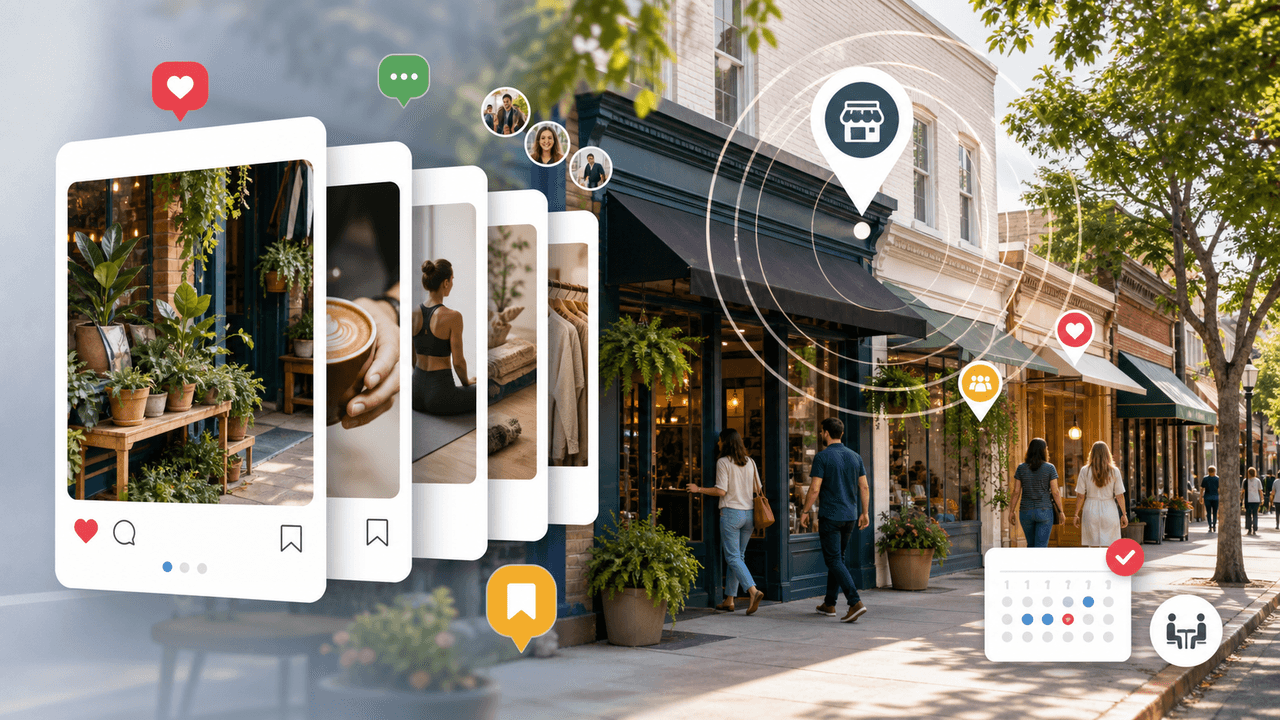
Local businesses do not need viral content. They need carousels that reach the right 5,000 people within a ten-mile radius. A local carousel strategy turns your expertise, your team, and your community presence into foot traffic without spending a dollar on ads.
Carousel Design Principles: The Visual Rules That Get More Swipes
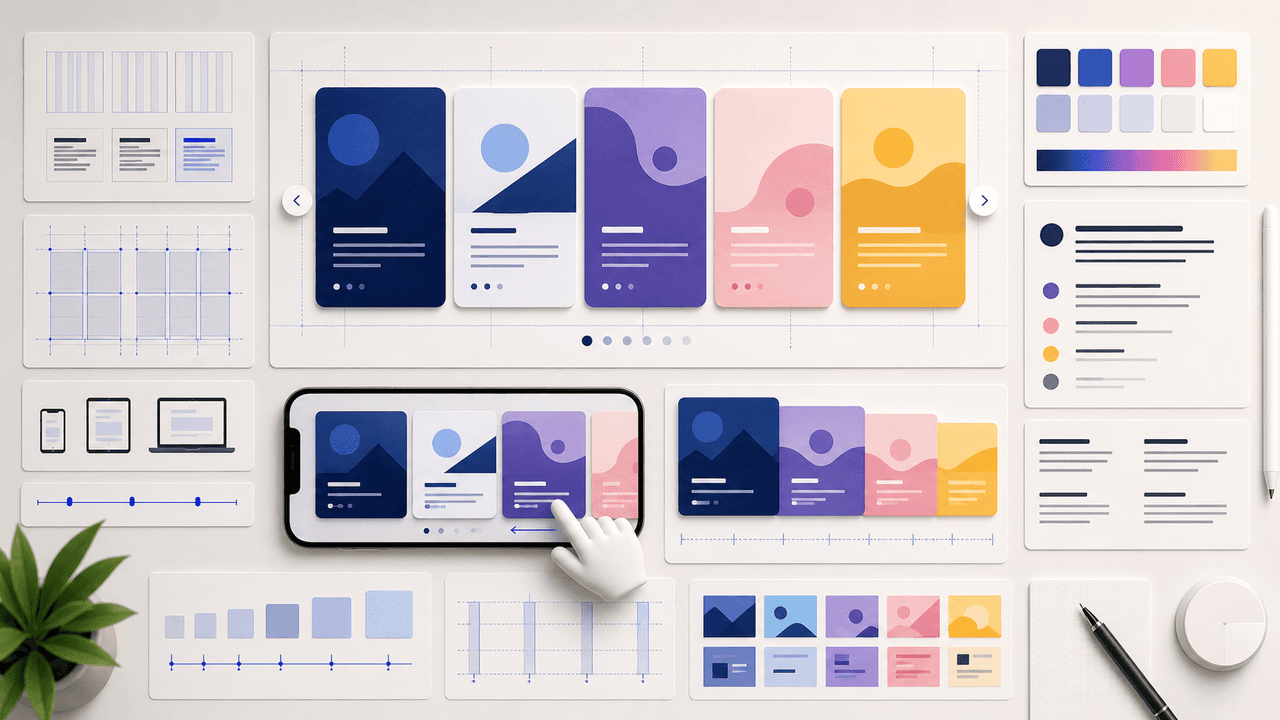
Great carousel design is not about being a graphic designer. It is about following a set of visual rules that make your content readable, recognizable, and swipeable. This guide breaks down each rule with concrete specifications you can apply immediately.
Sources
- Workplace — U.S. General Services Administration
- Ventilation in Buildings — National Institute for Occupational Safety and Health
- About Carousel Ads — Meta Business Help Center
- Best Practices for Carousel Ads — Meta Business Help Center
Written by
AttentionClaw
Editorial Team
Editorial context
Part of the Carousel Creation topic cluster. Last updated June 22, 2026.