Chapter 1
Why carousels outperform single food photos for restaurants
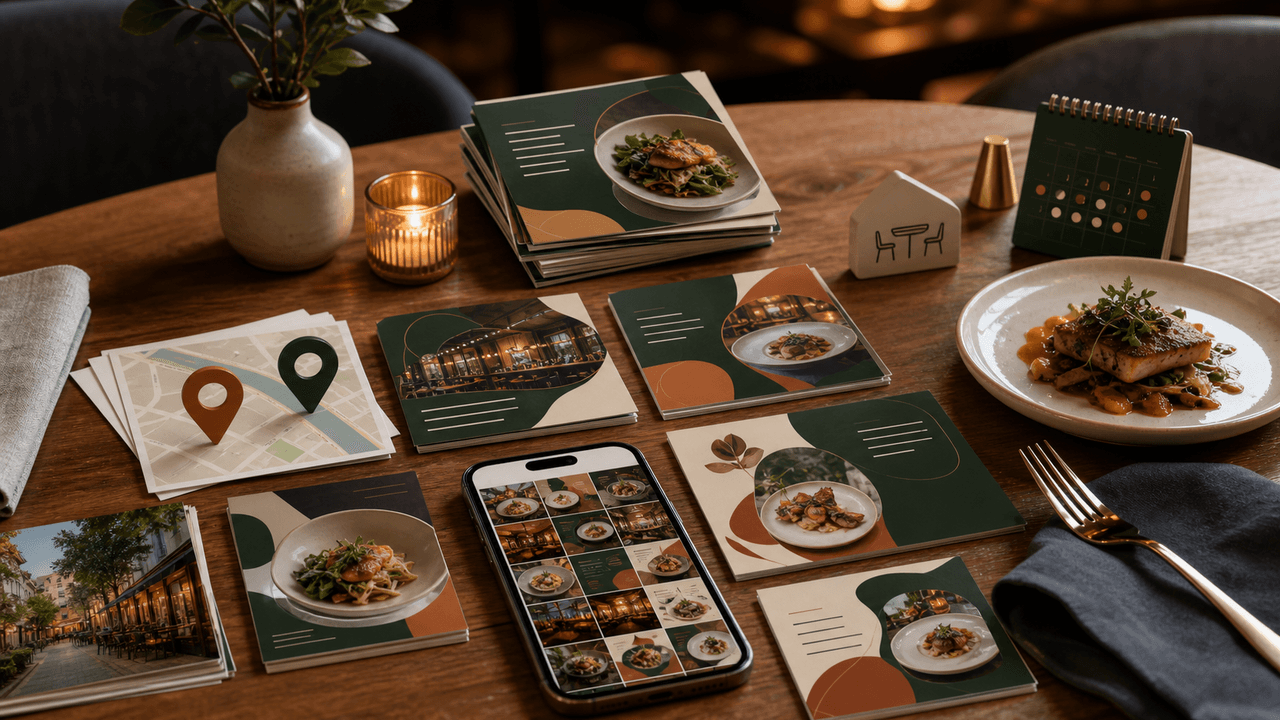
A beautiful plate photo gets a double-tap and a scroll. A carousel telling the story of that plate — the sourcing, the prep, the plating, the first bite — gets saved, shared, and sent to a group chat with the message 'we need to go here.' The difference is not the food. The difference is the format.
Instagram's algorithm heavily favors carousels because they generate more time-on-post. Every swipe signals engagement, and engagement tells the algorithm to push the post to more people. For restaurants competing for local attention, this algorithmic boost is free advertising that a single photo cannot match.
Carousels also let you answer the questions that drive restaurant decisions: What does the menu look like? What is the atmosphere? Is it worth the price? Is there something for everyone? A single photo can answer one of these. A carousel answers all of them in one post.
Carousels consistently generate more reach and engagement than single-image posts
Saves are the strongest signal for restaurant content — they indicate future intent to visit
Multi-slide posts let you showcase menu range without cluttering your feed grid
Carousel swipe-through rate gives you data on which dishes and angles hold attention
Chapter 3
Behind-the-kitchen carousels that build trust and loyalty
People do not just buy food at restaurants. They buy the story, the craft, and the people behind the food. Behind-the-kitchen carousels pull back the curtain in a way that static posts cannot — showing the progression from raw ingredient to finished plate, or a day in the life of your team.
The most effective behind-the-scenes carousel follows a simple narrative arc: start with the raw ingredients or the morning prep, move through the process, and end with the finished dish being served. This creates a micro-story that makes the final plate feel earned and valuable.
Do not over-produce these. Slightly raw, phone-shot images feel more authentic than studio-quality photos for behind-the-scenes content. The goal is to make followers feel like insiders, not to create a commercial.
Farm-to-table sourcing stories: show where your ingredients come from
Prep process carousels: dough rising, sauces reducing, pastry layering
Team spotlights: introduce your chef, your barista, your sommelier with their favorite dish
Morning-to-service timeline: the before-and-after of a restaurant day
Recipe sneak-peeks: three slides of process, final dish, then 'come taste it yourself'
Callout
Consistency without the time drain
The hardest part of restaurant content is finding time between services. AttentionClaw lets you turn a handful of kitchen photos into a polished, brand-consistent carousel in minutes — so your content keeps up even during the dinner rush.
Chapter 4
Weekly specials and event carousels that create urgency
Limited-time offers are already built into the restaurant business — seasonal menus, weekly specials, prix fixe events, holiday seatings. Each one is a natural carousel. The mistake most restaurants make is announcing these as a single image with a block of text that no one reads.
A specials carousel should build desire across slides. Slide one announces the event or special with a compelling hook. Slides two through six showcase individual dishes or details. The final slide gives the essential information: dates, times, how to book, price. This structure lets you sell the experience before you ask for the commitment.
For recurring specials like Taco Tuesday or Wine Wednesday, create a template carousel format and update the content each week. Same layout, same visual style, new dishes. Regularity trains your audience to look for the post and builds a habit loop.
- 1
Build a specials carousel template
Create a consistent format for weekly specials: branded hook slide, three to four dish spotlights, details slide. Reuse the layout every week so followers learn to recognize and expect it.
- 2
Launch seasonal menus with a reveal carousel
Treat a new seasonal menu like a product launch. Tease it with a hook slide, reveal dishes one per slide, and close with the start date. Post it three to five days before the menu goes live.
- 3
Use event carousels to fill seats in advance
For special events like wine dinners or holiday seatings, a carousel showing the menu, the space, the ambiance, and past event photos converts far better than a flyer-style graphic.
Chapter 5
Ambiance and location carousels for discovery audiences
Not everyone searching for a restaurant is looking at food. Many people — especially on Instagram — are searching for a vibe. A spot for date night. A place with a great patio. Somewhere with natural light for a birthday lunch. Ambiance carousels target this discovery audience.
Walk through your space with a carousel the way a first-time guest would experience it. The exterior or entrance. The bar or host stand. The seating area. A detail shot — the lighting, the flowers, the table setting. The view or patio. A plated dish in context. Each slide should make someone think 'I want to be there.'
These carousels perform exceptionally well as saved content and are frequently shared in DMs when people are deciding where to go. They also rank well in Instagram's location-based discovery features because they contain visual context the algorithm can use to categorize your content.
Seasonal ambiance updates: show your patio in summer, your cozy interior in winter
Date night and occasion positioning: carousels framed around the experience, not just the food
Neighborhood context slides: show nearby landmarks, parking, or the street view
Detail shots that convey quality: linen napkins, hand-thrown ceramics, fresh flowers
Chapter 7
A weekly carousel calendar for restaurants
The restaurants that win on Instagram are not posting randomly. They have a rhythm. A simple weekly content calendar removes the daily question of 'what should we post?' and replaces it with a system that covers all the content types your audience wants to see.
A strong restaurant carousel calendar posts three to four carousels per week, each serving a different purpose. Mix promotional content with storytelling and social proof so your feed never feels like a continuous advertisement.
- 1
Monday: Behind-the-scenes or team spotlight
Start the week with a human story. Show morning prep, introduce a team member, or share a sourcing story. This builds emotional connection and performs well as Monday content tends to see high engagement from planning-mode audiences.
- 2
Wednesday: Weekly special or menu spotlight
Midweek is when people start planning weekend dining. Showcase your specials, highlight a menu section, or reveal a new dish. Include a reservation CTA on the final slide.
- 3
Friday: Social proof or ambiance carousel
As people decide where to eat this weekend, hit them with reviews, customer photos, or an ambiance tour. This is your closest-to-conversion content of the week.
- 4
Sunday: Recipe tip or food education carousel
Share a cooking technique, an ingredient spotlight, or a pairing guide. Educational content gets the most saves and establishes your restaurant as an authority, not just a place to eat.
Callout
Build your restaurant carousel calendar in minutes
With AttentionClaw, you can generate a full week of brand-consistent carousels from your kitchen photos and menu updates. Define your restaurant's visual style once, then produce each week's content in a single batch session.
Chapter 8
Food photography tips specifically for carousel slides
Carousel photography has different requirements than a single hero shot. Each image needs to work within a sequence and at a smaller viewing size. What looks stunning as a standalone photo might feel cluttered or hard to read as one of eight carousel slides.
Simplify your compositions for carousel use. One dish per slide, clean backgrounds, consistent lighting across the entire set. If you are shooting a menu showcase carousel, shoot all the dishes in the same session with the same setup so the carousel feels cohesive.
Vertical orientation is non-negotiable. Instagram carousels display at 4:5 ratio, and shooting horizontally means you are cropping out the best parts of your composition. Train your team to shoot vertically by default for any content intended for carousels.
Shoot at 4:5 vertical ratio — this is the native carousel display format
Use natural window light and a simple background for consistent, clean results
Keep one dish per frame and leave space at the top or bottom for text overlays
Shoot all dishes for one carousel in a single session to maintain visual consistency
Slightly over-expose food photos for Instagram — the platform compresses images and darker shots lose detail
Include at least one action shot per carousel: a pour, a cut, a sprinkle, steam rising
Chapter 10
Measuring what matters: from carousel metrics to filled tables
Likes are vanity metrics for restaurants. The numbers that matter are saves, shares, profile visits, and website clicks — because these are the actions that precede a reservation.
Track saves per carousel as your primary content metric. A saved post means someone plans to revisit it when making a dining decision. If your menu showcase carousels consistently get saved but your behind-the-scenes posts do not, that tells you exactly what your audience values.
Connect your Instagram content to actual business results by tracking website clicks to your reservation page, DMs asking about availability, and mentions of Instagram when guests arrive. Some restaurants add a simple 'How did you hear about us?' to their host stand process — the answers will validate or reshape your content strategy.
- 1
Track saves-to-reach ratio weekly
Saves divided by reach gives you your save rate. A save rate above two percent means your content is performing well. Below one percent means you need to adjust your content types or hooks.
- 2
Monitor profile visits after carousel posts
A spike in profile visits within 24 hours of a carousel post means the content is driving curiosity. Make sure your bio has a clear reservation link or current promotion to capture that traffic.
- 3
Ask guests how they found you
Add a quick question to your reservation flow or host stand check-in. Track Instagram mentions over time to measure the real-world impact of your carousel strategy.
Next step
Turn your menu into carousels that fill tables
AttentionClaw generates brand-consistent Instagram carousels from your restaurant photos and menu content. Define your visual style once, produce a full week of posts in minutes.
Common Questions
FAQ
More Reading
Keep reading
8-chapter read
Restaurant Banquet Menu Instagram Carousels
Restaurant banquet menu carousels should explain menu formats, guest-count fit, buffet or plated options, allergen questions, food-safety expectations, and inquiry CTAs.
11-chapter read
Restaurant Holiday Party Instagram Carousels
Restaurant holiday party carousels should explain private dining fit, group menus, event timing, allergen questions, food-safety expectations, and booking CTAs.
12-chapter read
Food Truck Catering Instagram Carousels: Turn Menus Into Event Leads
Food truck catering carousels should explain menu options, event fit, headcount, service timing, permits, food safety, and booking CTAs for private and corporate events.
8-chapter read
Restaurant Allergy Menu Social Content: Help Guests Ask the Right Questions
Restaurant allergy and menu transparency posts should explain how guests can ask about ingredients, allergens, cross-contact, takeout, and event menus. Good content is helpful and careful: it routes specific allergy needs to staff instead of making broad safety promises.
8-chapter read
Restaurant Private Dining Room Social Content: Posts That Book Events
Private dining social content should help guests imagine the room, understand event capacity, see menu options, know how booking works, and contact the restaurant with confidence. Strong posts combine room visuals, event use cases, food safety-aware menu language, FAQs, and a direct inquiry CTA.
7-chapter read
Restaurant Catering Event Social Content: Promote Private Dining and Catering
Restaurant catering content should show packages, event use cases, lead times, service options, food safety expectations, and booking steps. The best campaigns make it easy for planners to choose the right format and contact the restaurant before the event date.
8-chapter read
Restaurant Weekly Specials TikTok Slideshows: Turn Menu Updates Into Visits
Restaurant weekly specials become stronger social content when they show the dish, explain the occasion, answer practical questions, and point to a reservation, order, or visit. TikTok slideshows let restaurants publish timely menu content without a full video shoot.
6-chapter read
TikTok Slideshows vs Instagram Carousels: When to Use Each
Use TikTok slideshows when the idea is visual, fast, native, and driven by product context. Use Instagram carousels when the idea needs education, comparison, saved reference value, or a clearer sequence. The strongest content systems adapt one product angle into both formats instead of copying the same asset across platforms.
Local Business Instagram Carousels: Drive Foot Traffic Without Paid Ads
Local businesses do not need viral content. They need carousels that reach the right 5,000 people within a ten-mile radius. A local carousel strategy turns your expertise, your team, and your community presence into foot traffic without spending a dollar on ads.
Carousel Design Principles: The Visual Rules That Get More Swipes
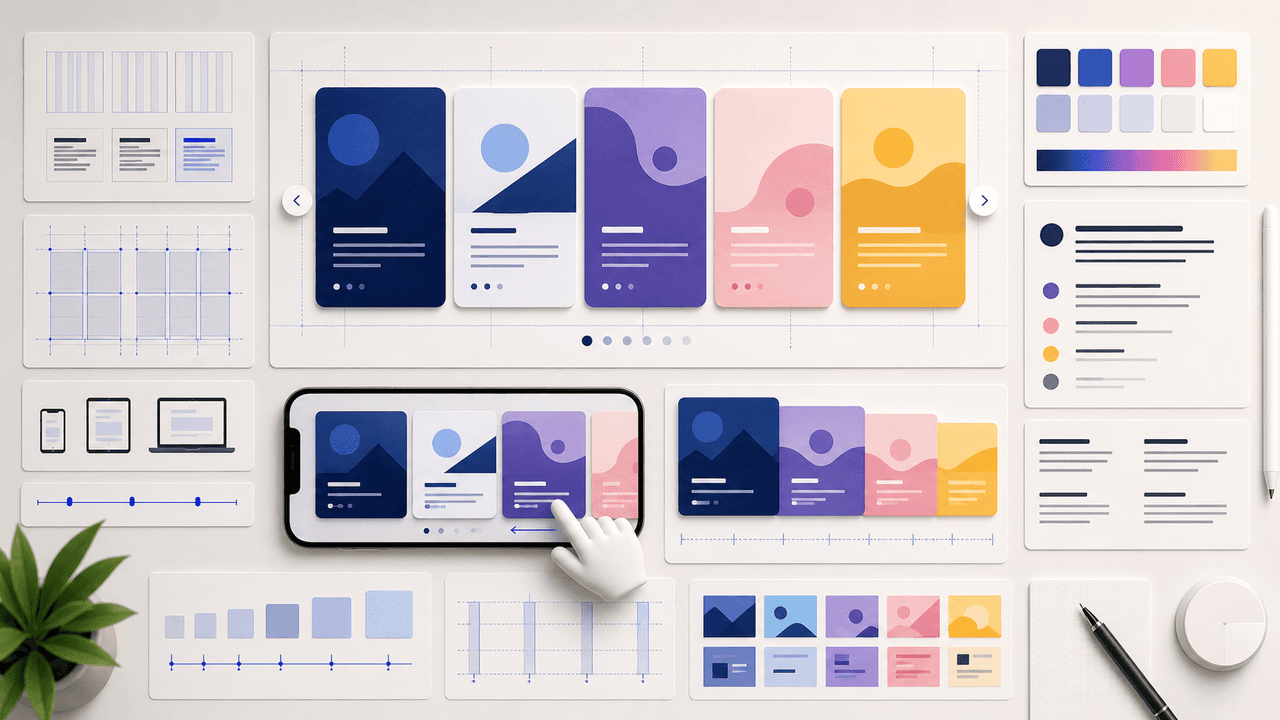
Great carousel design is not about being a graphic designer. It is about following a set of visual rules that make your content readable, recognizable, and swipeable. This guide breaks down each rule with concrete specifications you can apply immediately.
Written by
AttentionClaw
Editorial Team
Editorial context
Part of the Carousel Creation topic cluster. Last updated June 22, 2026.
Chapter 6
Social proof carousels that turn reviews into reservations
Your best marketing copy was not written by you — it was written by your happiest customers.
Pull your best Google reviews, Yelp quotes, and DM compliments into carousel format. Pair each quote with a photo of the dish or experience being praised. One quote per slide, attributed to the reviewer (first name or handle), with a photo that matches the sentiment.
The format works because it combines the credibility of third-party validation with the visual appeal of your food. A review that says 'best tiramisu in the city' paired with a close-up of your tiramisu is more persuasive than either element alone.
Rotate social proof carousels into your content calendar every two to three weeks. They require minimal production effort — you are curating, not creating — and they consistently drive high save rates because people bookmark them for future dining decisions.
Collect and organize your best reviews
Create a running document of standout reviews and DM compliments. Categorize them by dish, experience, or occasion so you can match them to the right visual content.
Pair each review with a matching photo
The photo should directly relate to what the review mentions. A review praising the atmosphere pairs with an ambiance shot. A review about a specific dish pairs with that dish.
Design clean, readable quote slides
Large text, your brand colors, the quote, and the attribution. Do not add decorative elements that compete with the words. Let the customer's voice be the star.