Chapter 1
The direct answer: connect symptoms, prevention, and preparation
An optometry eye exam reminder carousel should explain why comprehensive exams matter, what happens during the visit, what patients should bring, and when to contact the office sooner.
CDC vision guidance notes that some eye problems have no symptoms early and that comprehensive dilated exams can find eye diseases in earlier stages. AOA patient resources also position comprehensive eye exams as part of eye and overall health care.
The content should educate generally, then route patient-specific symptoms, sudden vision changes, or medical questions to the clinic.
Callout
Optometry content rule
Remind patients that clear vision is not the same as a complete eye health check, then make the appointment path simple.
Chapter 2
Create reminder topics for different patient groups
One broad eye exam reminder becomes stronger when split into patient-specific posts: kids, screen-heavy workers, contact lens wearers, diabetes-related care questions, older adults, and patients with new symptoms.
Each carousel should answer one search intent. A contact lens annual exam post should not also become a full children's vision guide.
Use exam-room photos, frame-selection visuals, diagrams, and checklist slides. Avoid showing patient records, prescriptions, or identifiable patient details.
What to bring to an eye exam.
Why eye exams are more than vision charts.
Contact lens exam reminders.
Children's back-to-school vision questions.
Screen fatigue questions to discuss.
Symptoms that should be routed to the office.
Glasses prescription versus eye health exam.
Questions for patients with chronic health conditions.
Chapter 3
Use a six-slide appointment reminder
The carousel should make the appointment less mysterious. Patients who know what to bring and what to ask are more likely to book.
Have a clinician review any wording that could be interpreted as diagnosis, treatment, or urgent triage.
- 1
Slide 1: common assumption
Open with the patient belief, such as 'I can see fine, so do I need an exam?'
- 2
Slide 2: direct answer
Explain that comprehensive eye exams check more than clarity.
- 3
Slide 3: what may happen
Mention history, vision testing, eye health checks, dilation when appropriate, and questions.
- 4
Slide 4: what to bring
List glasses, contacts, medications, insurance details, and symptom notes.
- 5
Slide 5: when to call
Route sudden changes or concerning symptoms to the office promptly.
- 6
Slide 6: CTA
Book an exam, call with symptoms, or save the preparation checklist.
Chapter 4
Keep clinical and privacy guardrails explicit
Optometry content should not diagnose red eyes, flashes, floaters, headaches, or child vision concerns in public comments. A simple comment policy can move specific questions into appointment or phone channels.
Use patient stories only with documented permission. Even a glasses pickup photo can identify a patient.
If the practice advertises offers, insurance, or medical claims, review the language before publishing.
Clinician review for medical language.
No diagnosis in comments.
No patient information in images.
Clear urgent-symptom routing.
Reviewed language for insurance or offers.
Chapter 5
How AttentionClaw helps optometry practices package exam education
AttentionClaw helps optometry practices turn approved patient FAQs, appointment prep checklists, exam-room photos, and seasonal reminders into Instagram carousels and TikTok slideshows.
Reusable templates can cover back-to-school reminders, contact lens appointments, screen-heavy workdays, annual eye exams, and first-visit preparation.
Callout
Optometry workflow
Select patient question, add reviewed education, generate slides, check privacy and medical wording, publish with an appointment CTA.
Chapter 6
Measure bookings, checklist saves, and better-prepared patients
Track appointment bookings, phone calls, saved checklists, contact lens exam requests, and patient questions after educational posts.
If front desk staff hear clearer appointment reasons, the content is improving intake.
Track exam booking clicks.
Track calls after symptom-routing posts.
Track saves on what-to-bring checklists.
Track back-to-school appointment requests.
Track recurring patient questions for future posts.
Chapter 7
A practical pre-exam checklist carousel patients actually use
One of the most common reasons patients arrive underprepared for a comprehensive eye exam is that no one told them what to bring. A checklist carousel solves this at scale. Rather than relying on appointment reminder texts or front-desk calls, a checklist post handles the education automatically and can be shared directly in the appointment confirmation message.
A useful pre-exam checklist includes: current glasses or contact lenses, a list of all current medications (some affect vision and eye pressure), insurance card and any vision plan information, the name of any previous eye care provider if transferring care, a list of any symptoms the patient has noticed recently such as increased floaters, blurred distance or near vision, light sensitivity, or headaches, and a written list of questions for the doctor.
Keep the checklist free of clinical language that might alarm a patient who does not have all of the items. A friendly framing — 'bring what you have; we will handle the rest' — reduces anxiety while still improving preparation.
- 1
Item 1 — Current eyewear
Bring your current glasses and contact lenses so the doctor can assess your existing prescription and lens condition.
- 2
Item 2 — Medication list
Include all prescription and over-the-counter medications. Some medications affect eye pressure, tear production, and vision.
- 3
Item 3 — Insurance and vision plan information
Bring your insurance card and any information about your vision plan, including whether contact lens exams are covered separately.
- 4
Item 4 — Previous provider contact
If you are a new patient, knowing your previous provider allows the practice to request prior records and prescription history.
- 5
Item 5 — A list of questions
Write down any vision concerns before the appointment so you do not forget during the visit.
Chapter 8
Tailoring reminder carousels to specific patient groups
A generic 'time for your eye exam' post performs less well than one that speaks to a specific patient situation. Optometry practices serve meaningfully different populations whose motivations and concerns differ. Creating patient-segment-specific reminders increases the likelihood that a follower recognizes the post as relevant to them.
Children's exam reminders should address parents' questions: what age to start, whether an exam differs from a school screening, how to prepare a young child for dilation, and how vision problems affect reading and classroom performance. Back-to-school timing works well for this segment. Screen-heavy worker reminders should name the specific symptoms that come from extended near work — variable blur, end-of-day headaches, difficulty refocusing — and connect those symptoms to the exam without diagnosing them. Contact lens wearer reminders should address the annual exam requirement for prescription renewal and the importance of checking lens fit and corneal health over time.
Posting one segment-specific reminder per month across a twelve-month calendar covers most patient groups while keeping each post focused enough to feel personally relevant.
Next step
Turn eye exam FAQs into appointment content
AttentionClaw helps optometry teams package reviewed patient education into Instagram carousels and TikTok slideshows.
Common Questions
FAQ
More Reading
Keep reading
9-chapter read
Home Health Discharge Support Carousels: Help Families Plan the First Week Home
Home health discharge support carousels should help families understand first-week questions, care coordination, fall-risk basics, and service next steps without making clinical promises.
9-chapter read
Dental Cleaning Reminder Instagram Carousels: Bring Preventive Care Back
Dental cleaning reminder carousels should explain preventive care, what happens during a visit, what patients should ask, and how to book without shaming patients.
9-chapter read
Physical Therapy First Visit TikTok Slideshows: Reduce Intake Anxiety
Physical therapy first-visit slideshows should show what to wear, what to bring, what questions to expect, and how to book without making treatment promises.
9-chapter read
Chiropractor New Patient Instagram Carousels: Explain the First Visit Carefully
Chiropractor new-patient carousels should explain the first visit, intake, examination, care discussion, and next step without overpromising outcomes or diagnosing people in comments.
8-chapter read
Dental Recall Reactivation Social Content: Bring Overdue Patients Back
Dental recall reactivation posts should make overdue patients feel invited, not scolded. Use prevention education, appointment expectations, insurance reminders, and clear booking CTAs while avoiding diagnosis or shame.
7-chapter read
Dental Clinic Social Media Content Calendar: 30 Days of Patient Trust Posts
A dental clinic content calendar should educate patients, reduce appointment anxiety, show the practice environment, explain common treatments, and build trust without overclaiming outcomes or exposing patient information. Use weekly content pillars, review-safe proof, Google Business Profile updates, and recurring carousel and TikTok slideshow formats.
Local Business Instagram Carousels: Drive Foot Traffic Without Paid Ads
Local businesses do not need viral content. They need carousels that reach the right 5,000 people within a ten-mile radius. A local carousel strategy turns your expertise, your team, and your community presence into foot traffic without spending a dollar on ads.
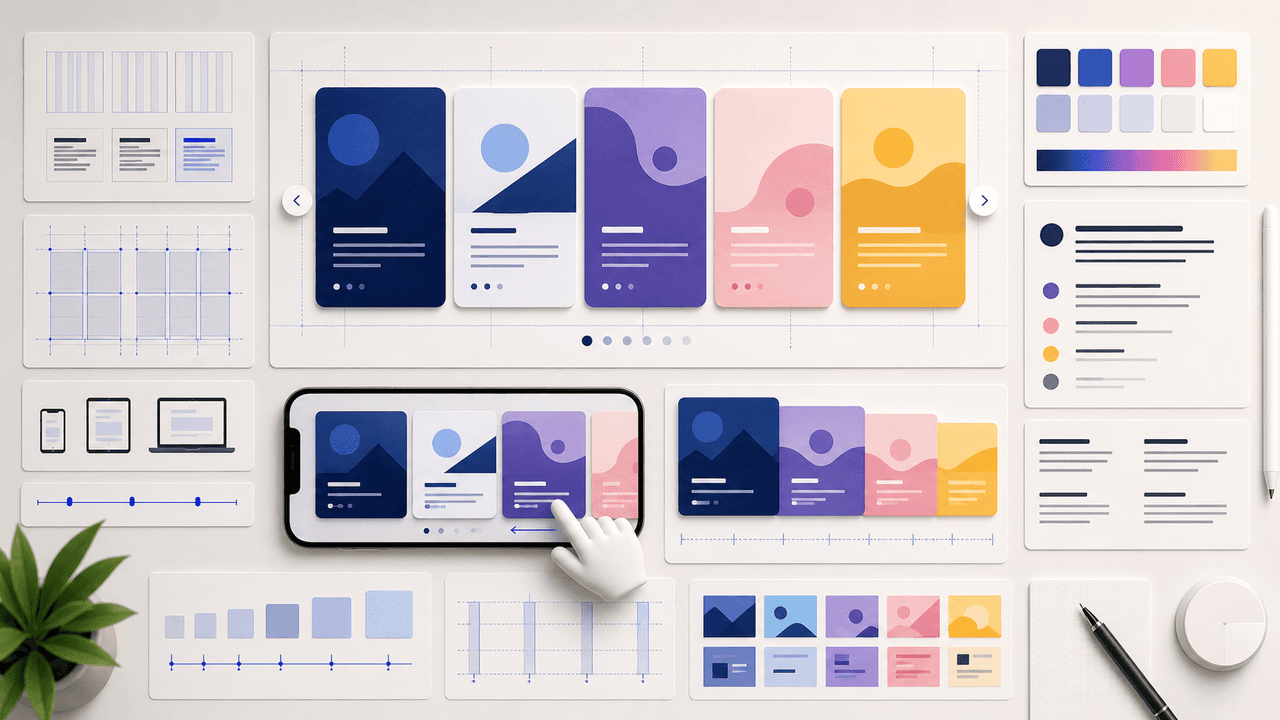
Carousel Design Principles: The Visual Rules That Get More Swipes
Great carousel design is not about being a graphic designer. It is about following a set of visual rules that make your content readable, recognizable, and swipeable. This guide breaks down each rule with concrete specifications you can apply immediately.
Sources
- Why Eye Exams Are Important — Centers for Disease Control and Prevention
- Comprehensive Eye Exams — American Optometric Association
- See the Full Picture of Your Health with an Annual Comprehensive Eye Exam — American Optometric Association
- About Carousel Ads — Meta Business Help Center
Written by
AttentionClaw
Editorial Team
Editorial context
Part of the Carousel Creation topic cluster. Last updated June 22, 2026.
Chapter 9
Concrete examples of what to post and what to redirect to the office
Optometry practices sometimes struggle to draw the line between educational content and clinical guidance. The clearest test: if the answer depends on an individual patient's history, exam findings, or symptoms, it should not be answered publicly. If the answer is the same regardless of who is asking, it can be educational content.
Content that works publicly includes: how often different age groups are typically recommended to have exams, what a comprehensive exam involves step by step, what a student vision screening tests for and what it does not, general descriptions of common refractive errors, and how to choose between glasses and contacts as a lifestyle question. Content that should be redirected privately includes: whether a specific symptom is serious, whether a child's prescription change is too fast, whether a specific lens brand is appropriate for someone's eyes, and whether a patient's existing glasses prescription is still accurate.
Build a standard comment response the practice can use when followers ask clinical questions publicly: 'That is a great question for your exam appointment — please call us or send a DM so we can help you directly.' This is both safe and demonstrates attentive patient care.
Callout
The one-question test for public content
Before posting any optometry content, ask: 'Could this answer be harmful if a patient with a serious condition uses it to delay care?' If yes, reframe the post to direct followers toward booking an exam rather than interpreting their own symptoms.