Chapter 1
The direct answer: prepare the pool owner without teaching chemical handling
A pool service opening checklist carousel should explain what homeowners can prepare before service, which safety issues to keep in mind, what photos or details help the technician, and when to book seasonal maintenance.
CDC healthy swimming guidance covers pool safety, drowning prevention, and pool chemical safety. EPA pool chemical safety alerts emphasize safe storage and handling because pool chemicals can create hazards when mishandled.
The carousel should not tell homeowners to mix chemicals, diagnose water chemistry from a photo, or skip professional service when equipment or chemical safety is uncertain.
Callout
Pool content rule
Use checklists for preparation and booking, not chemical recipes or unsafe handling instructions.
Chapter 2
Build posts around seasonal service moments
Pool content has clear seasonal demand: opening, closing, equipment startup, green water, filter questions, chemical storage, storm cleanup, and vacation maintenance.
Each post should answer one seasonal intent. A pool opening checklist should not also explain every chemical, every pump issue, and every safety rule.
Use visual assets like covered pools, equipment pads, skimmers, filter areas, safety gates, and checklist graphics. Avoid showing addresses or children without consent.
Pool opening appointment checklist.
Photos to send before a service visit.
Equipment startup questions.
Pool chemical storage reminders.
Storm debris cleanup next steps.
Green water call preparation.
Vacation maintenance checklist.
Pool closing timeline reminder.
Chapter 3
Use a seven-slide pool opening carousel
This sequence makes the service call smoother and supports early seasonal booking.
Any chemical safety language should be reviewed by a qualified pool professional.
- 1
Slide 1: seasonal trigger
Open with the moment: 'Opening your pool soon?'
- 2
Slide 2: timing
Explain why booking before the first hot weekend helps.
- 3
Slide 3: access checklist
Mention gate, cover, equipment area, water level, and service notes.
- 4
Slide 4: photo checklist
Ask for pool, equipment pad, cover, water condition, and problem-area photos.
- 5
Slide 5: safety boundary
Avoid chemical mixing instructions and route safety questions to professionals.
- 6
Slide 6: service path
Explain inspection, cleaning, startup, testing, and follow-up in general terms.
- 7
Slide 7: CTA
Book opening service, save the checklist, or ask for seasonal availability.
Chapter 4
Use safety education as trust content
Pool service companies can build trust by explaining safe storage, why mixing chemicals is risky, and when a homeowner should stop and call.
Do not publish universal dosage instructions or water chemistry advice that depends on test results and equipment.
If photos show customer yards, remove addresses, license plates, family items, and children unless permission is documented.
No chemical mixing instructions.
No dosage from a photo.
No customer-identifying backyard details.
Reviewed equipment and safety wording.
Clear seasonal booking CTA.
Chapter 5
How AttentionClaw helps pool companies package seasonal demand
AttentionClaw helps pool service teams turn opening checklists, service photos, storm cleanup prompts, and safety reminders into Instagram carousels and TikTok slideshows.
Templates can cover opening, closing, equipment prep, green water, storm cleanup, and vacation service reminders.
Callout
Pool service workflow
Choose seasonal moment, add safety boundary, attach privacy-safe visuals, generate carousel, review, publish with booking CTA.
Chapter 6
Measure seasonal bookings and better service prep
Track opening-service bookings, quote requests, photo submissions, saves on checklists, and calls about safety or equipment.
If customers book earlier and provide better access details, the content is supporting seasonal operations.
Track opening-service appointment requests.
Track saves on seasonal checklists.
Track photo submissions before service.
Track calls about chemical or equipment safety.
Track route efficiency during opening season.
Chapter 7
What homeowners can do before the service team arrives
Pool service companies that coach homeowners on pre-service preparation see fewer delays, more thorough first visits, and better customer satisfaction. A carousel built around 'what to do before we arrive' gives the homeowner a sense of participation without asking them to handle chemicals or technical steps they should not attempt on their own.
Reasonable homeowner prep tasks include: remove the cover and lay it flat for inspection and cleaning by the service team, remove leaves, debris, and toys from the pool deck and skimmer baskets, note any visible cracks, stains, or equipment sounds that changed over winter, take a photo of the equipment pad including the pump, filter, and heater labels, and clear access to the pool gate, equipment pad, and electrical panel if relevant.
Each of these items speeds up the technician's work and prevents the 'covered in leaves, gate locked, equipment unknown' arrival that delays a full opening assessment. Framing this as 'help us give you the best first visit' makes it feel collaborative rather than demanding.
Remove the winter cover and lay flat — do not fold it on the pool deck where it traps water and debris
Clear the skimmer basket and pump basket of any visible debris
Note any equipment problems from last season in writing so you can tell the technician quickly
Ensure water access is unlocked and the equipment pad is accessible
Take a photo of your equipment labels (pump model, filter size, heater brand) in case replacement parts come up
Chapter 8
Creating early-booking urgency without resorting to pressure tactics
Pool service companies that rely on scarcity tactics ('book now or you'll miss the season') can erode trust with homeowners who feel manipulated. A more effective approach is to explain honestly why early bookings produce better outcomes for the customer: the first weeks of the opening season are the most in-demand period for service teams, which means later bookings often result in delayed starts — sometimes by weeks — and that delay can mean a longer and more chemical-intensive process to restore water clarity.
A carousel framing might be: 'Here's what typically happens when a pool sits longer before opening — and why it matters.' Slide one describes an early opening scenario. Slide two describes what a pool looks like after a longer closed period. Slide three explains the practical difference in service time and the number of treatment steps needed. This is factual, educational, and naturally motivates action without manufactured urgency.
Adding a 'we're taking opening appointments now' slide or caption at the end of a genuinely educational carousel converts better than a standalone promotional post because the viewer has already been given something useful.
Callout
Timing your opening-checklist carousel
Post your opening checklist four to six weeks before your local pool season typically begins — not when the season is already underway. Homeowners in planning mode who save the post are your early-booking pipeline.
Chapter 9
Using equipment inspection as an educational carousel topic
Many homeowners do not know what their pool equipment does, which makes them poor judges of whether it is working correctly. An educational carousel that explains the role of each major component — pump, filter, heater, and sanitizing system — builds the kind of informed customer who notices problems early and calls before a small issue becomes expensive.
A simple format: 'The four things we check on every opening visit and why each one matters.' Pump slide: the pump circulates water through the system — worn seals or unusual sounds are early warning signs. Filter slide: the filter catches debris and contaminants — a clogged or damaged filter media affects water clarity and chemical efficiency. Heater slide: corrosion, gas connections, and igniter condition are checked before startup. Sanitizing system slide: whether your pool uses chlorine, salt, or an alternative system, the delivery mechanism needs to be in working order before chemical balancing begins.
This carousel positions your service team as knowledgeable professionals while helping homeowners feel informed rather than dependent. Informed customers ask better questions, trust the service recommendations they receive, and are less likely to decline maintenance work they don't understand.
Next step
Turn pool opening questions into seasonal bookings
AttentionClaw helps pool service teams package opening checklists and safety reminders into Instagram carousels and TikTok slideshows.
Common Questions
FAQ
More Reading
Keep reading
9-chapter read
Pool Cleaning Opening Season TikTok Slideshows
Pool cleaning opening-season slideshows should explain homeowner prep, water testing, chemical safety, service timing, and booking CTAs without giving unsafe chemical instructions.
9-chapter read
Rental Property Maintenance TikTok Slideshows: Reduce Tenant Confusion
Rental property maintenance slideshows should help tenants report issues clearly, protect privacy, understand seasonal maintenance, and route urgent problems without replacing lease or legal guidance.
9-chapter read
Deck Contractor Safety Estimate Carousels: Help Homeowners Spot When to Call
Deck contractor safety estimate carousels should help homeowners document visible concerns, understand when to call a professional, and book an inspection or estimate without DIY structural advice.
9-chapter read
Pest Control Seasonal Prevention TikTok Slideshows: Educate Without Panic
Pest control slideshows should show seasonal prevention steps, inspection cues, safety-aware preparation, and booking paths without panic tactics or casual pesticide advice.
8-chapter read
Home Services Maintenance Plan Social Content: Explain Membership Value
Maintenance plan content should explain what is included, when visits happen, what is not included, how priority service works, and how homeowners can evaluate value. Clear posts reduce confusion and support recurring revenue without overpromising savings.
8-chapter read
Carousel Slide Order That Converts: Hook, Proof, Offer, CTA
A converting carousel usually follows a clear order: hook, context, problem, solution or product, proof, objection handling, offer, and CTA. The exact slide count can change, but the reader should never wonder why the next slide exists.
8-chapter read
Home Services Seasonal Maintenance Content Calendar: Book Preventive Work
Seasonal maintenance content helps home service companies book preventive work before emergencies happen. Use weather-aware checklists, HVAC filter reminders, water and mold prevention posts, storm prep, and local booking CTAs to turn useful education into service demand.
8-chapter read
Home Services TikTok Slideshow Ideas: Local Posts for Contractors and Repair Pros
Home service businesses can use TikTok slideshows to show before-and-after proof, explain maintenance, answer emergency questions, spotlight local jobs, and turn field photos into useful content. The best posts are specific, visual, local, and tied to a clear call-to-book.
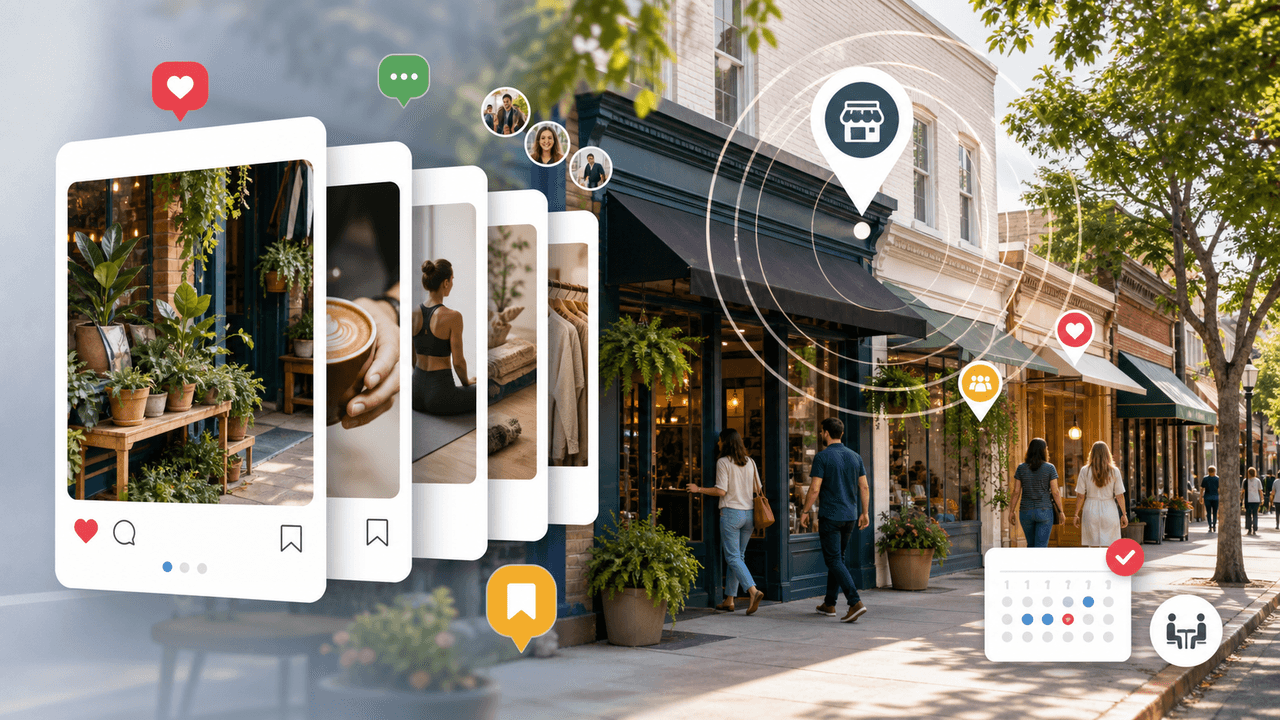
Local Business Instagram Carousels: Drive Foot Traffic Without Paid Ads
Local businesses do not need viral content. They need carousels that reach the right 5,000 people within a ten-mile radius. A local carousel strategy turns your expertise, your team, and your community presence into foot traffic without spending a dollar on ads.
Sources
- Guidelines for Keeping Your Pool Safe and Healthy — Centers for Disease Control and Prevention
- Pool Chemical Safety — Centers for Disease Control and Prevention
- Chemical Safety Alert: Safe Storage and Handling of Swimming Pool Chemicals — U.S. Environmental Protection Agency
- About Carousel Ads — Meta Business Help Center
Written by
AttentionClaw
Editorial Team
Editorial context
Part of the Carousel Creation topic cluster. Last updated June 22, 2026.