Chapter 1
The direct answer: turn safety questions into a booking checklist
A dog walker meet-and-greet Instagram carousel should explain what the owner should prepare: leash and harness details, walking routine, behavior notes, vet contact, emergency contact, home access, and booking expectations.
AVMA dog walking guidance emphasizes safe walking habits, weather awareness, and watching for health or injury issues. Pet care content should use that same practical tone rather than implying every dog can join every route or group walk.
The post should not diagnose behavior, promise off-leash outcomes, or show client homes and pets without permission.
Callout
Dog walker content rule
Show owners the trust process: routine, safety, access, emergency details, and a clear meet-and-greet CTA.
Chapter 2
Build posts around first-booking friction
Owners ask whether the walker handles reactive dogs, puppies, senior dogs, medication reminders, key access, weather changes, GPS updates, and emergency situations.
Each carousel should answer one question. A first meet-and-greet checklist should not also become a full training plan and pricing page.
Use permissioned pet photos, leash close-ups, route maps without addresses, checklist graphics, and update screenshots with dummy data.
What to prepare for the meet-and-greet.
Leash, harness, and walking routine questions.
Behavior notes to share before booking.
Weather and route expectations.
How updates and photos are sent.
Emergency contact and vet information.
Home access and key handling questions.
When a solo walk may fit better than a group walk.
Chapter 3
Use a seven-slide meet-and-greet carousel
This sequence makes a high-trust service feel professional and prepared.
Review claims about behavior, training, insurance, key handling, and emergency response before publishing.
- 1
Slide 1: owner concern
Open with the trust question: 'What happens before the first walk?'
- 2
Slide 2: pet profile
Ask about age, breed, routine, energy, behavior, and health notes.
- 3
Slide 3: walk setup
Cover leash, harness, route, weather, and pickup details.
- 4
Slide 4: safety information
Mention vet contact, emergency contact, triggers, and medication notes if applicable.
- 5
Slide 5: access and updates
Explain keys, entry instructions, photos, notes, and report cards.
- 6
Slide 6: fit decision
Explain how the walker decides whether the service is a safe fit.
- 7
Slide 7: CTA
Book a meet-and-greet, save the checklist, or ask about availability.
Chapter 4
Use pet proof without exposing clients
Client pet photos need permission. Home interiors, addresses, keys, collars with phone numbers, and route maps need privacy review.
Testimonials should avoid implying every dog will behave the same way or that every walker is qualified for every behavior case.
Strong proof can be simple: clean intake process, consistent updates, and clear safety boundaries.
Permissioned pet photos only.
No addresses, keys, or route exposure.
No behavior guarantees.
Emergency and insurance language reviewed.
Clear meet-and-greet CTA.
Chapter 5
How AttentionClaw helps dog walkers package trust content
AttentionClaw helps dog walkers turn intake forms, safety scripts, update examples, and permissioned pet photos into Instagram carousels and TikTok slideshows.
Templates can cover meet-and-greets, puppy walks, senior dog care, bad-weather plans, report cards, and solo versus group walk fit.
Callout
Dog walker workflow
Choose one booking question, add safety checklist, select permissioned visuals, generate carousel, privacy-check, publish with meet-and-greet CTA.
Chapter 6
Measure meet-and-greets and better intake
Track meet-and-greet requests, intake form completion, saves, owner questions, and whether new clients arrive with better dog details.
If the first conversation gets safer and clearer, the content is doing real work.
Track meet-and-greet bookings.
Track completed intake forms.
Track saves on owner checklists.
Track questions about solo or group walks.
Track fit decisions after intake.
Chapter 7
Structure the actual meet-and-greet so nothing important is skipped
A meet-and-greet carousel that helps owners prepare also sets expectations for what the in-person session will cover. Walkers who run structured meet-and-greets — with a consistent order of questions and a checklist — reduce the chance that something important surfaces on the first walk rather than in the introductory visit. A carousel that shares the meet-and-greet agenda helps owners understand that the session is professional, not casual.
A standard meet-and-greet agenda for a dog walker typically covers: confirming the dog's name, breed, weight, and age; reviewing leash and harness preferences; discussing any known reactivity to dogs, people, bikes, or traffic; confirming medication timing if relevant; reviewing key or lockbox access; exchanging emergency contact details; and asking what a successful walk looks like to the owner. Publishing a simplified version of this agenda as a carousel slide helps owners arrive prepared and signals that the walker takes safety seriously.
One practical addition to a meet-and-greet carousel is a slide that explains what happens if something unexpected comes up — a dog reacts unexpectedly, the walk needs to be shortened, or the walker has a concern. Owners who know the walker will contact them rather than guess feel more confident booking, particularly for a first-time service provider.
Leash and harness type currently used
Known triggers: dogs, bikes, skateboards, strangers
Medication timing or administration needs
Emergency contact and vet information
Key access method and backup plan
Owner preference for walk route or duration
Chapter 8
Be clear about which dogs you can and cannot walk
Many dog owners with reactive, fearful, or medically complex dogs hesitate to book a walker because they expect to be turned away. A carousel that addresses these dogs directly — explaining what the walker is equipped to handle and what falls outside their scope — helps the right clients find the right service. This is more useful than a generic 'we love all dogs' message that prompts anxious owners to DM for reassurance.
If you specialize in reactive dogs, say so with specifics. 'I walk leash-reactive dogs on low-traffic routes with equipment they are already familiar with' is a stronger trust signal than 'reactive dogs welcome.' If certain situations are outside your scope — for example, dogs that require professional behavior intervention or dogs over a certain weight — being clear about this in a carousel saves both sides a meet-and-greet that leads nowhere.
Owners of senior dogs or dogs with medical needs — post-surgery restrictions, joint issues, heart conditions, diabetes requiring timed meals — also benefit from a carousel that tells them whether the walker can accommodate their situation. A slide that explains what owners should disclose at the meet-and-greet, including health conditions, builds trust before the conversation begins.
Chapter 9
Show owners what updates look like after a walk
One undersold element of a meet-and-greet carousel is a preview of what the post-walk update looks like. Owners who are anxious about handing over a key to a new person are partly soothed by understanding how they will know what happened during the walk. A single slide that shows a sample update — 'Bella had a great 45-minute walk, ate a small treat, drank water, no incidents, photos attached' — does more to build trust than a testimonial slide.
Walk update consistency is a retention driver. Owners who receive detailed, consistent updates after every walk are far less likely to switch walkers, even if they find a slightly cheaper option. A carousel that shows the update system during the pre-booking stage sets that standard as an expectation rather than a surprise.
If your update system uses a specific app or platform, you can mention that in the carousel without requiring the viewer to download anything before booking. A slide that reads 'After each walk you will receive a report with GPS route, photos, and notes through our client app' reassures owners that the relationship will be trackable and transparent.
Next step
Turn pet care intake into trust-building carousels
AttentionClaw helps dog walkers package meet-and-greet checklists and safety notes into Instagram carousels and TikTok slideshows.
Common Questions
FAQ
More Reading
Keep reading
11-chapter read
Dog Daycare Trial Day Instagram Carousels
Dog daycare trial day carousels should explain temperament screening, vaccine requirements, drop-off expectations, illness policies, and booking CTAs without promising every dog is a fit.
9-chapter read
Pet Boarding Meet-and-Greet TikTok Slideshows
Pet boarding meet-and-greet slideshows should explain vaccination records, temperament checks, facility questions, daily care, emergency contacts, and booking CTAs.
9-chapter read
Mobile Veterinary Home Visit Carousels: Help Pet Owners Prepare the Space
Mobile veterinary home visit carousels should help pet owners prepare records, medications, quiet space, pet handling, and clinic-specific next steps without replacing veterinary advice.
9-chapter read
Pet Grooming Appointment TikTok Slideshows: Prepare Owners and Pets
Pet grooming appointment slideshows should help owners prepare coats, records, behavior notes, and expectations before the visit while routing health concerns to veterinary care.
9-chapter read
Veterinary Clinic Preventive Care Carousels: Turn Pet Education Into Appointments
Veterinary preventive care carousels should help pet owners recognize routine care moments, understand what the clinic checks, and book the right appointment. The content must stay educational and route medical questions to the veterinary team.
8-chapter read
Home Services Review Proof Social Posts: Turn Trust Signals Into Bookings
Home service review proof posts should show trust without manipulating reviews or exposing customers. Use honest testimonials, process proof, job photos, team standards, and review-safe CTAs to help homeowners decide who to call.
8-chapter read
Carousel Slide Order That Converts: Hook, Proof, Offer, CTA
A converting carousel usually follows a clear order: hook, context, problem, solution or product, proof, objection handling, offer, and CTA. The exact slide count can change, but the reader should never wonder why the next slide exists.
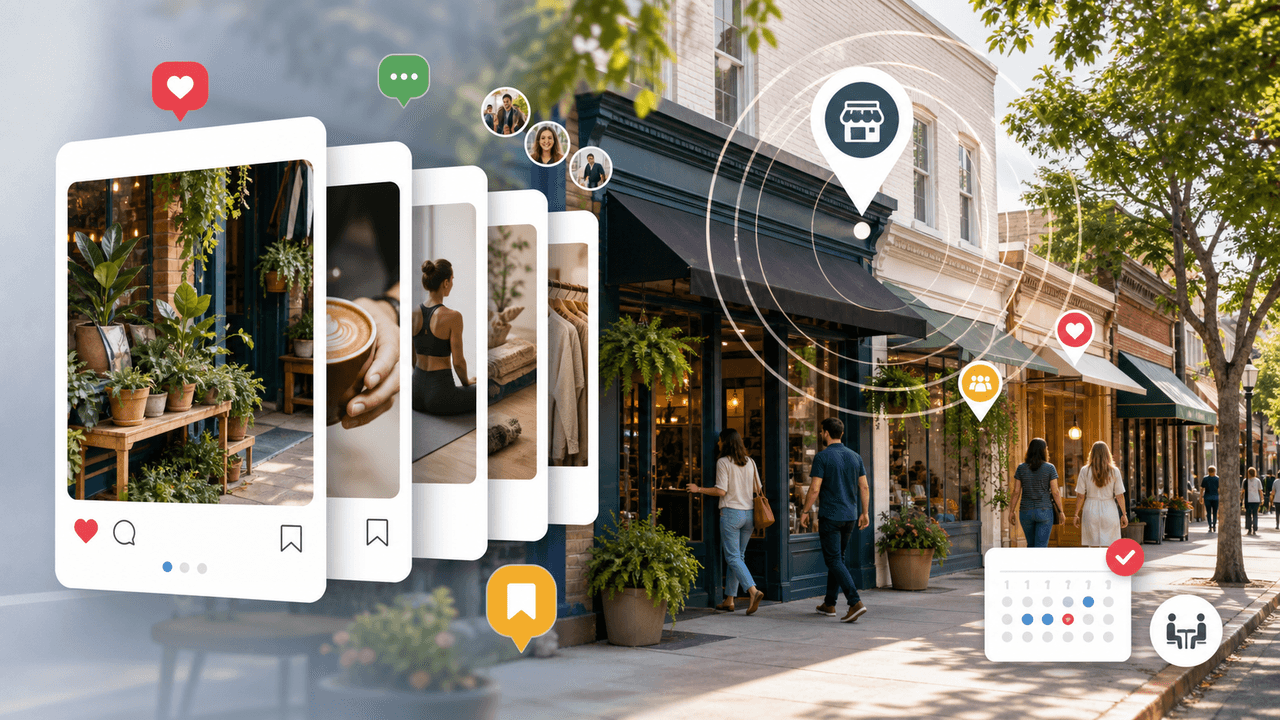
Local Business Instagram Carousels: Drive Foot Traffic Without Paid Ads
Local businesses do not need viral content. They need carousels that reach the right 5,000 people within a ten-mile radius. A local carousel strategy turns your expertise, your team, and your community presence into foot traffic without spending a dollar on ads.
Sources
- Walking or running with your dog — American Veterinary Medical Association
- Pet care — American Veterinary Medical Association
- About Carousel Ads — Meta Business Help Center
- FTC's Endorsement Guides: What People Are Asking — Federal Trade Commission
Written by
AttentionClaw
Editorial Team
Editorial context
Part of the Carousel Creation topic cluster. Last updated June 22, 2026.